
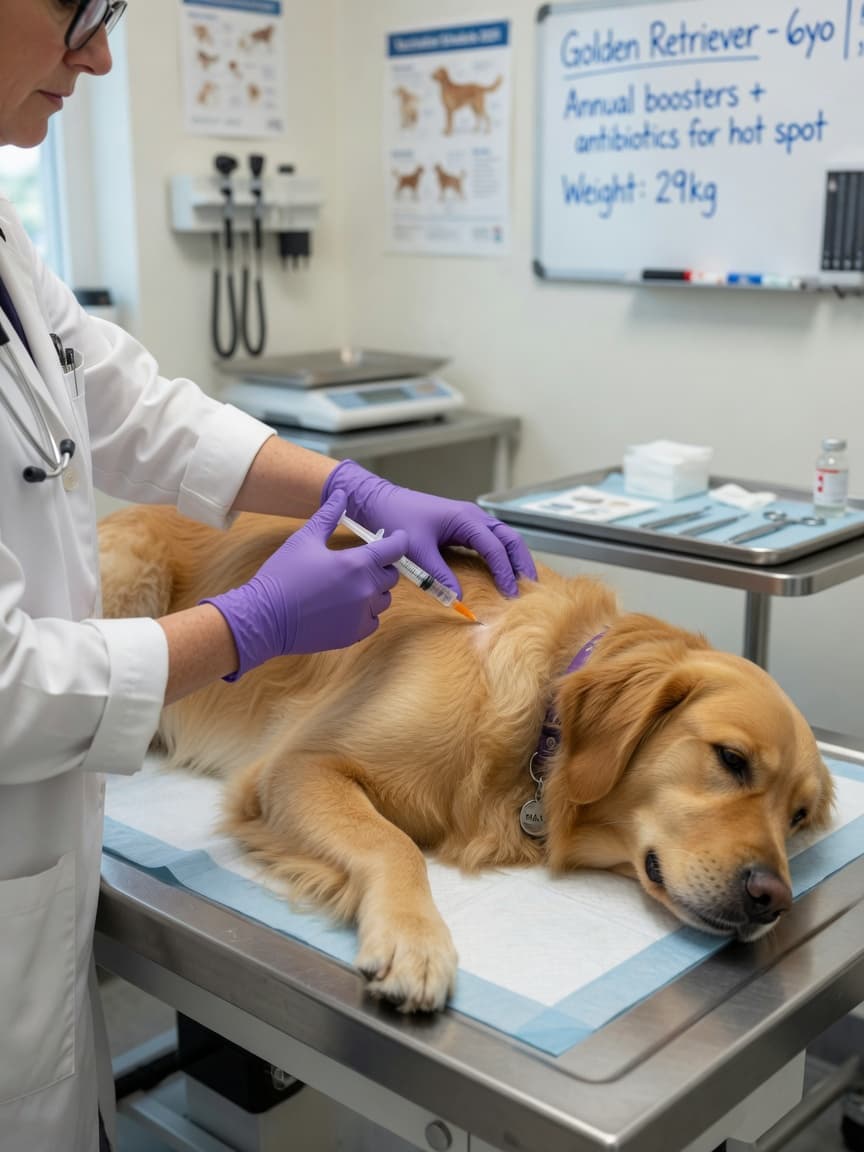
Antibiotics are powerful tools in veterinary medicine, yet they're often misunderstood by pet owners. Many dog parents worry they're being prescribed too frequently, whilst others wonder if their dog should be receiving them. Understanding when antibiotics are genuinely necessary—and when they're not—is crucial for keeping your dog healthy whilst combating the growing problem of antibiotic resistance. Let's explore what you need to know about antibiotics in canine healthcare.
What Antibiotics Actually Do
Antibiotics are medications designed specifically to kill bacteria or stop their growth. It's important to remember they don't work against viral infections like colds, flu, or most coughs. When your vet prescribes antibiotics, they're targeting a bacterial infection that requires this specific treatment. Using antibiotics inappropriately—such as treating viral infections—contributes to antibiotic resistance, making these medications less effective for everyone in the long term.
Common Bacterial Infections in Dogs That Require Antibiotics
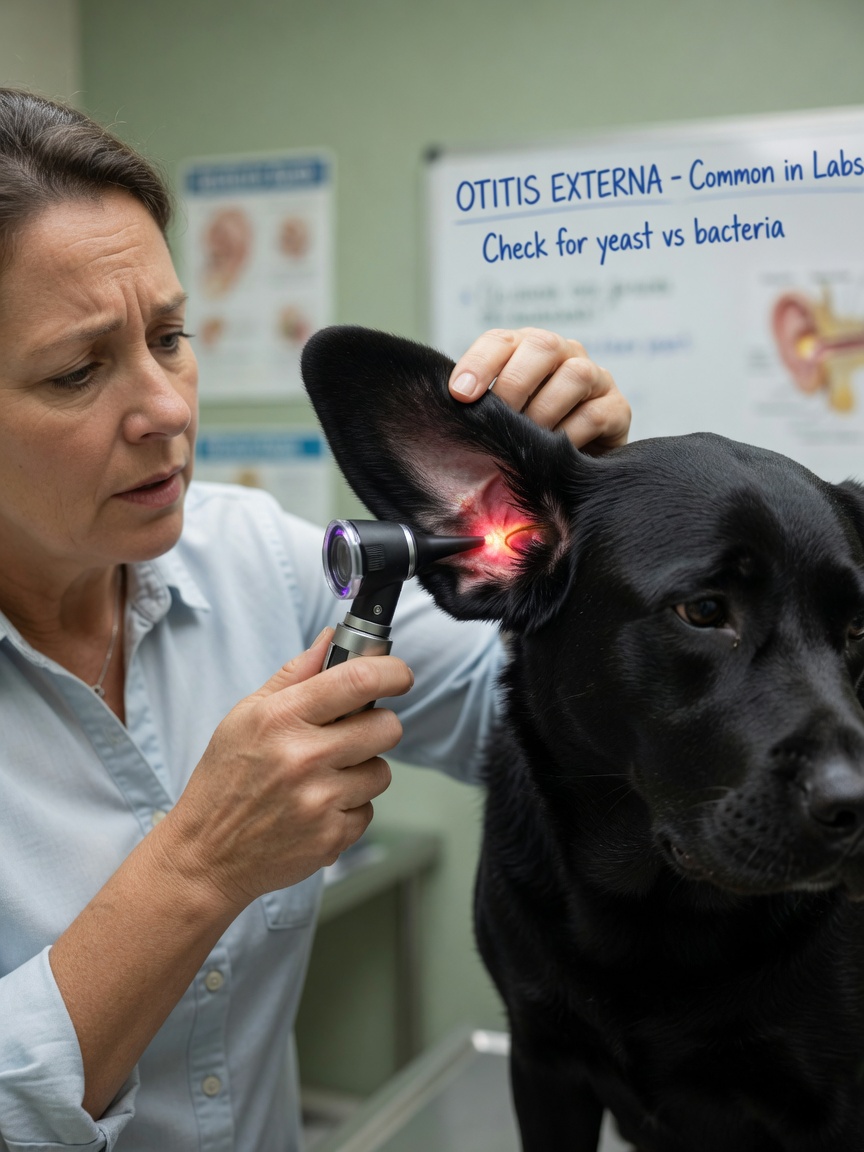
Your vet may prescribe antibiotics for:
- Urinary tract infections (UTIs) – Often caused by bacteria like E. coli, these can make your dog uncomfortable and lead to serious complications if left untreated
- Skin and ear infections – Bacterial pyoderma or otitis externa may develop secondary to allergies or parasites
- Respiratory infections – Bacterial pneumonia or bronchitis requires antibiotic treatment
- Wound and bite infections – Fight bites or surgical wounds can become infected and need antibiotics to prevent serious complications
- Gastroenteritis – Some cases of severe diarrhoea or vomiting involve bacterial pathogens requiring treatment
- Dental infections – Tooth root abscesses or severe periodontitis may require antibiotics alongside dental work
- Bone and joint infections (osteomyelitis) – These serious infections need aggressive antibiotic therapy
How Your Vet Determines If Antibiotics Are Necessary
A good veterinarian won't prescribe antibiotics on a whim. They'll typically:
- Perform a thorough physical examination
- Take a detailed history of your dog's symptoms
- Run diagnostic tests such as bacterial cultures, urinalysis, or blood work
- Consider whether symptoms point to a bacterial versus viral cause
- Discuss the risks and benefits with you before prescribing
If your vet prescribes antibiotics without examination or testing, it's reasonable to ask questions about their reasoning.
When Antibiotics Aren't Appropriate
Your dog likely doesn't need antibiotics if they have:
- A mild viral illness (most coughs, sniffles, or mild gastroenteritis)
- Fungal infections (these require antifungal medications)
- Conditions unrelated to infection, such as hormonal imbalances
- Parasitic infestations (unless a secondary bacterial infection develops)
If your vet recommends antibiotics for these conditions, ask for clarification about the suspected bacterial involvement.
The Importance of Completing the Course

Once your dog is prescribed antibiotics, it's essential to complete the entire course, even if symptoms improve within a few days. Stopping early allows bacteria to survive and potentially develop resistance. Always follow your vet's dosing instructions carefully and give the medication for the full duration prescribed.
Key Takeaways
Antibiotics are invaluable when used appropriately for genuine bacterial infections. Trust your veterinarian's expertise, but don't hesitate to ask questions if a prescription seems unnecessary. Completing full courses, avoiding unnecessary use, and maintaining good preventative care—including regular check-ups and parasite control—all help ensure these crucial medications remain effective for your dog's health for years to come.