
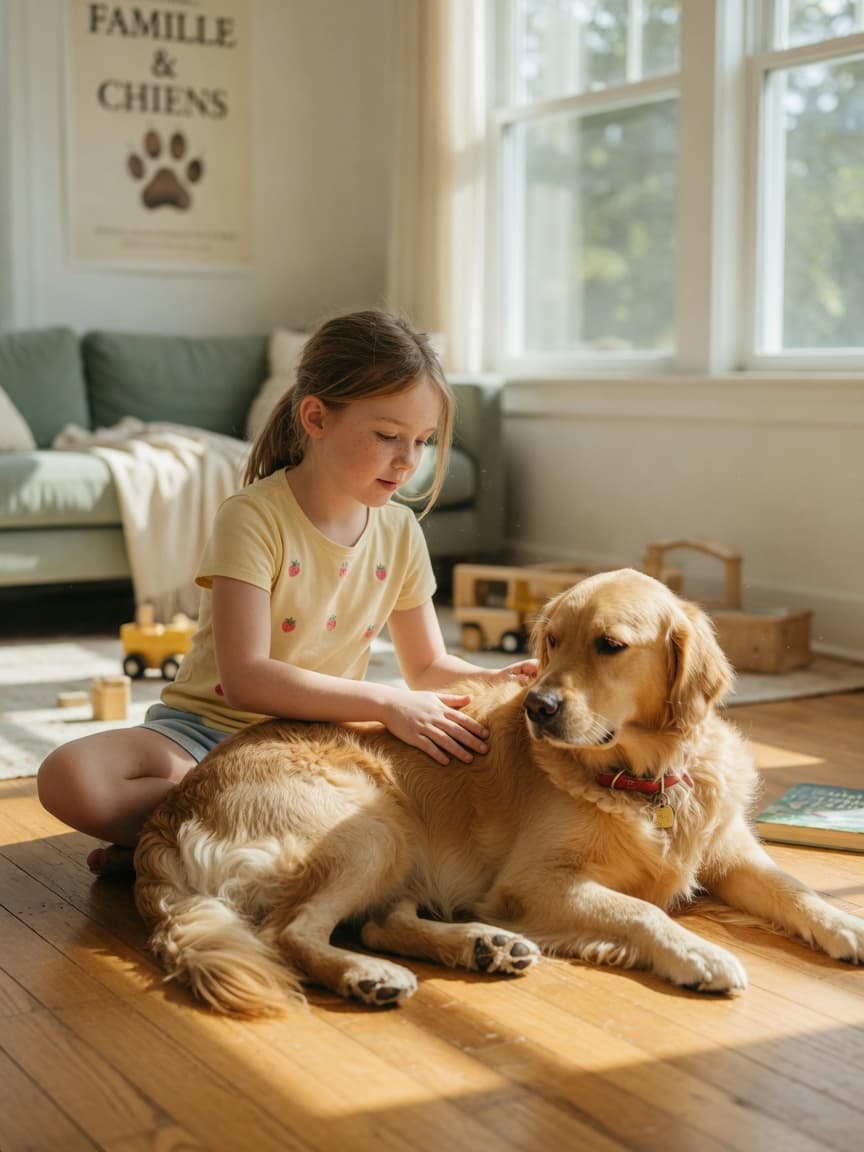
Dogs are wonderful companions for families, but teaching children to interact safely and gently with them is essential for both child and canine wellbeing. A dog's comfort and safety depend largely on how children treat them, whilst children need to learn respect, empathy, and proper handling techniques. This comprehensive guide will help you foster a harmonious relationship between your children and your dog.
Understanding Why Gentleness Matters
Dogs communicate discomfort through subtle body language signals that children often miss. When ignored, these warnings can escalate to defensive behaviour such as growling or snapping. Teaching gentleness isn't just about preventing bites—it's about creating a relationship built on mutual trust and respect. A gentle approach also reduces your dog's stress levels, leading to better overall health and a happier household.
Teaching Your Child to Read Your Dog's Body Language
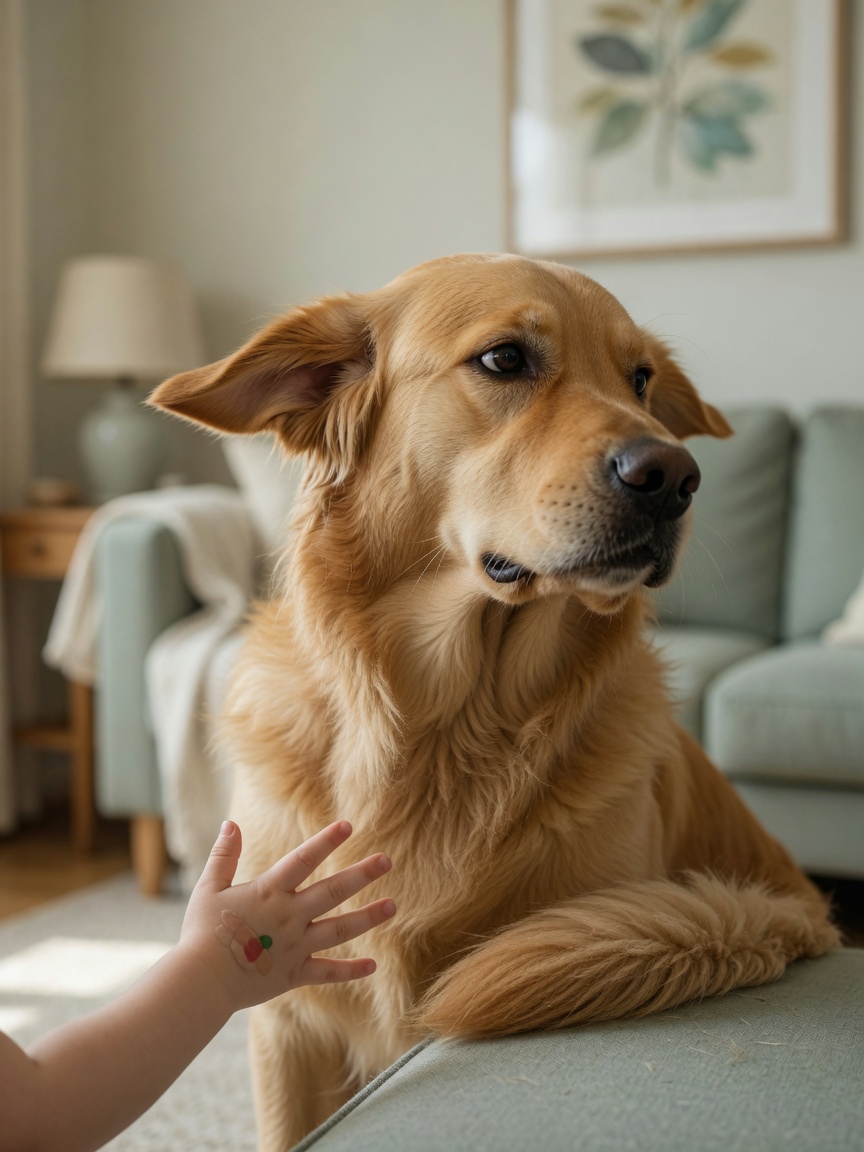
Before children can be gentle, they need to understand what their dog is communicating. Spend time together observing your dog's signals:
- Relaxed signs: Soft eyes, ears in natural position, loose body posture, and a wagging tail generally indicate your dog is comfortable
- Warning signs: Pinned-back ears, stiff body, tail between legs, or avoiding eye contact suggest your dog needs space
- Stress indicators: Yawning excessively, lip licking, or turning away all mean your dog is uncomfortable and interaction should stop
Make this educational and fun by creating a "dog feelings chart" together and practising identifying these signals daily.
Establishing Clear Handling Rules
Set specific, age-appropriate guidelines for how children can interact with your dog:
- Always ask an adult for permission before approaching the dog
- Use a calm, quiet voice—loud noises startle dogs
- Pet gently on the head, shoulders, and back; avoid sensitive areas like paws, tail, and face
- Never grab, pull, or squeeze the dog
- Respect feeding time and sleep time—these are no-touch zones
- Never remove toys or treats whilst the dog is using them
Consistency is key. Enforce these rules every single time, and praise your child enthusiastically when they follow them correctly.
Hands-On Practice and Positive Reinforcement
Teach gentle handling through supervised practise sessions. Start with basic petting, demonstrating slow, smooth strokes. Let your child practice gentle touches under your watchful eye. Reward both your child and dog immediately—your dog receives a treat or praise, and your child gets encouragement for their good behaviour.
Use role-play too. Let your child take the role of the dog and show them how it feels when someone pulls their hair or grabs roughly. This builds empathy naturally.
Managing Excitement and Play
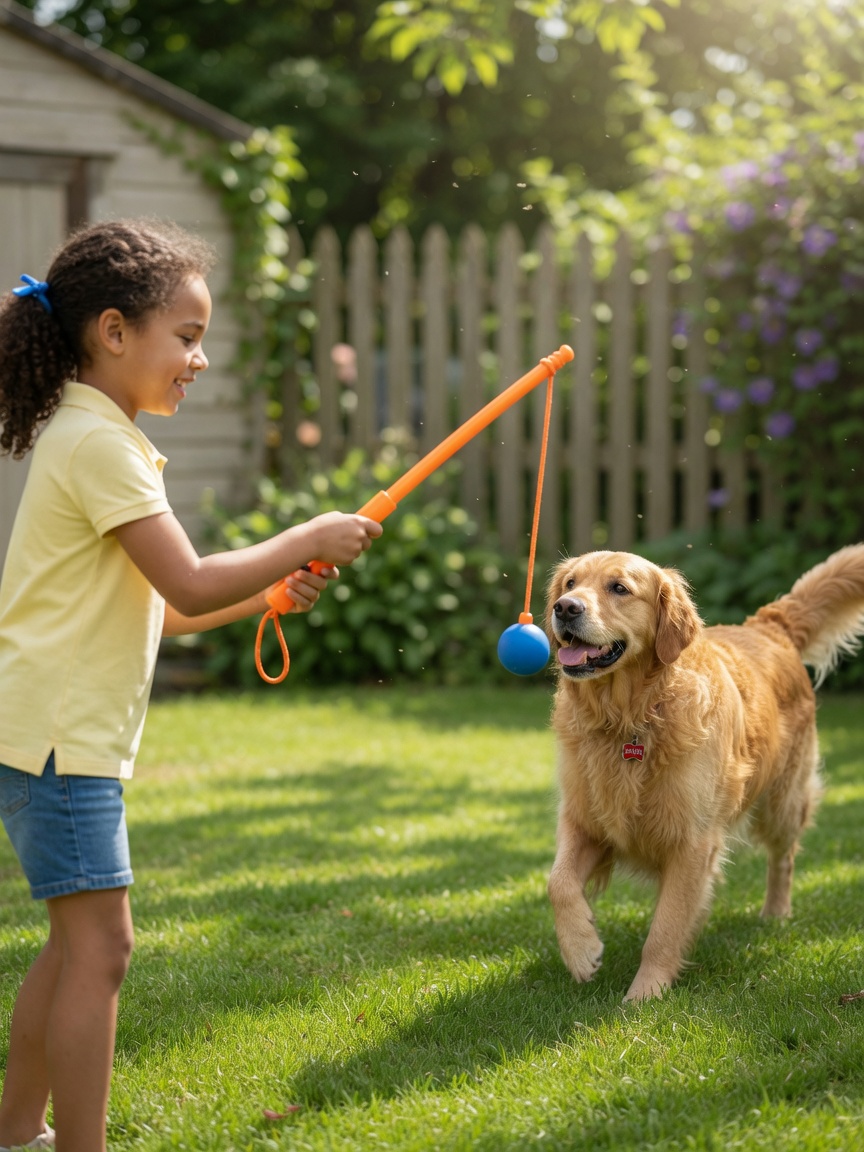
Children often become excited during playtime, and this enthusiasm can translate into rough handling. Teach structured play that keeps everyone calm:
- Encourage games like fetch rather than wrestling
- Use toys with long handles to maintain safe distance
- Keep play sessions short—15 to 20 minutes maximum
- Always supervise interactions between children and dogs
- Take breaks to allow your dog to settle and decompress
What Never to Do
Emphasise that certain behaviours are completely off-limits: never hit, kick, or yell at a dog; never wake a sleeping dog; never interfere with a dog eating or nursing puppies; and never force a dog into situations that cause visible distress.
Key Takeaways
Teaching children to be gentle with dogs requires patience, consistent reinforcement, and clear communication. By helping your child recognise dog body language, establishing firm handling rules, and practising gentle interaction under supervision, you're creating the foundation for a lifelong, safe relationship. Remember, every positive interaction builds trust, whilst patience and empathy from both species create a truly harmonious household. The effort you invest now will reward you with years of joyful companionship between your child and your dog.
```