ForPetsHealthcare
Dogs

Do Hypoallergenic Cats Exist?

By Julia WrenfieldUpdated August 4, 20264 min read
Evidence-based · Sources checked
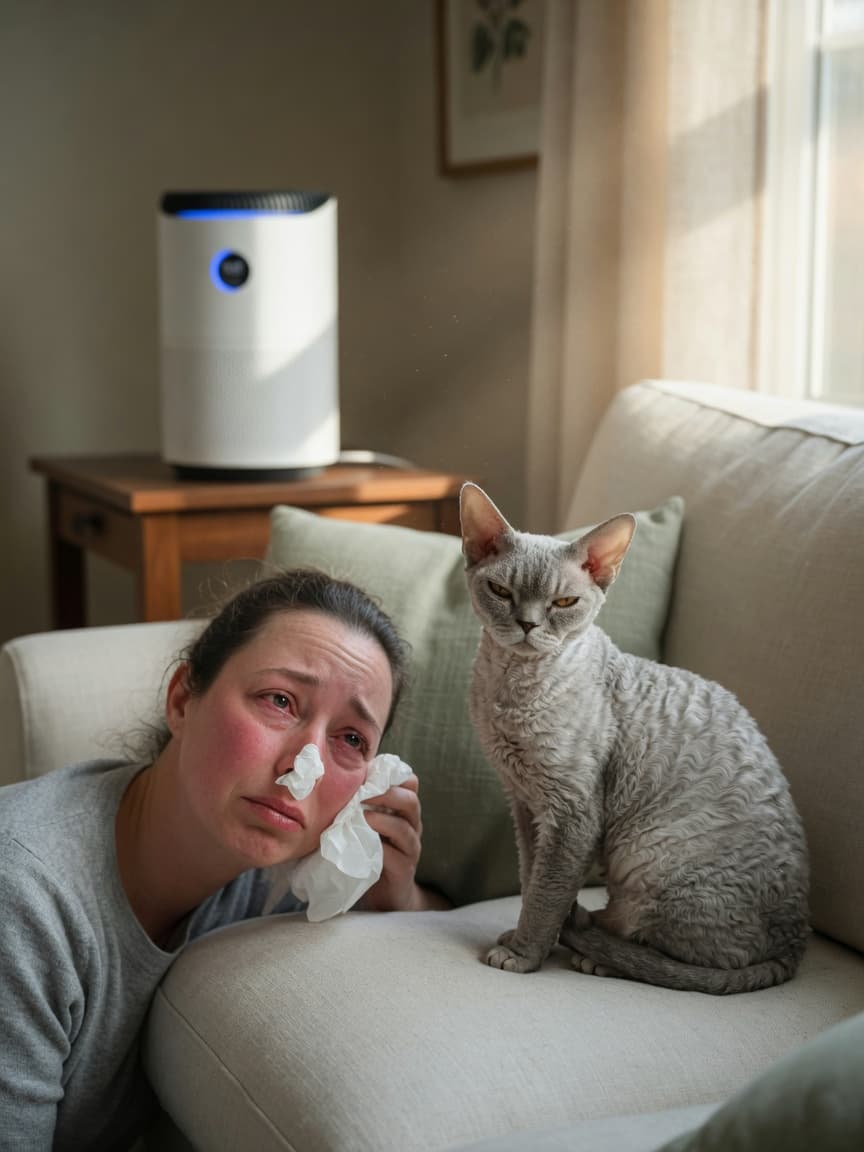
{"en": "Hypoallergenic cat breed sitting indoors, showcasing a cat suitable for allergy-prone owners", "es": "Gato de raza hipoalerg\u00e9nica sentado en interiores, mostrando un felino apto para due\u00f1os con alergias", "fr": "Chat de race hypoallerg\u00e9nique assis \u00e0 l'int\u00e9rieur, pr\u00e9sent\u00e9 comme f\u00e9lin adapt\u00e9 aux propri\u00e9taires allergiques", "de": "Hypoallergene Katzenrasse sitzt drinnen und zeigt eine katze f\u00fcr allergieanf\u00e4llige Besitzer", "nl": "Hypoallergeen kattenras zittend binnenshuis, geschikt voor eigenaren met allergi\u00ebn", "pt": "Gato de ra\u00e7a hipoalerg\u00eanica sentado dentro de casa, adequado para donos com alergias", "it": "Gatto razza ipoallergenica seduto in interni, presentato come felino adatto a proprietari allergici"}

If you're a cat lover with allergies, you've probably heard the term "hypoallergenic cat" thrown around quite liberally. Pet shops, breeders, and online forums often promote certain breeds as allergy-friendly solutions, offering hope to those who thought they could never share their home with a feline companion. But here's the truth: genuinely hypoallergenic cats don't actually exist. However, this doesn't mean you're without options. Understanding what causes cat allergies and which breeds produce fewer allergens can help you make an informed decision.

What Actually Causes Cat Allergies?
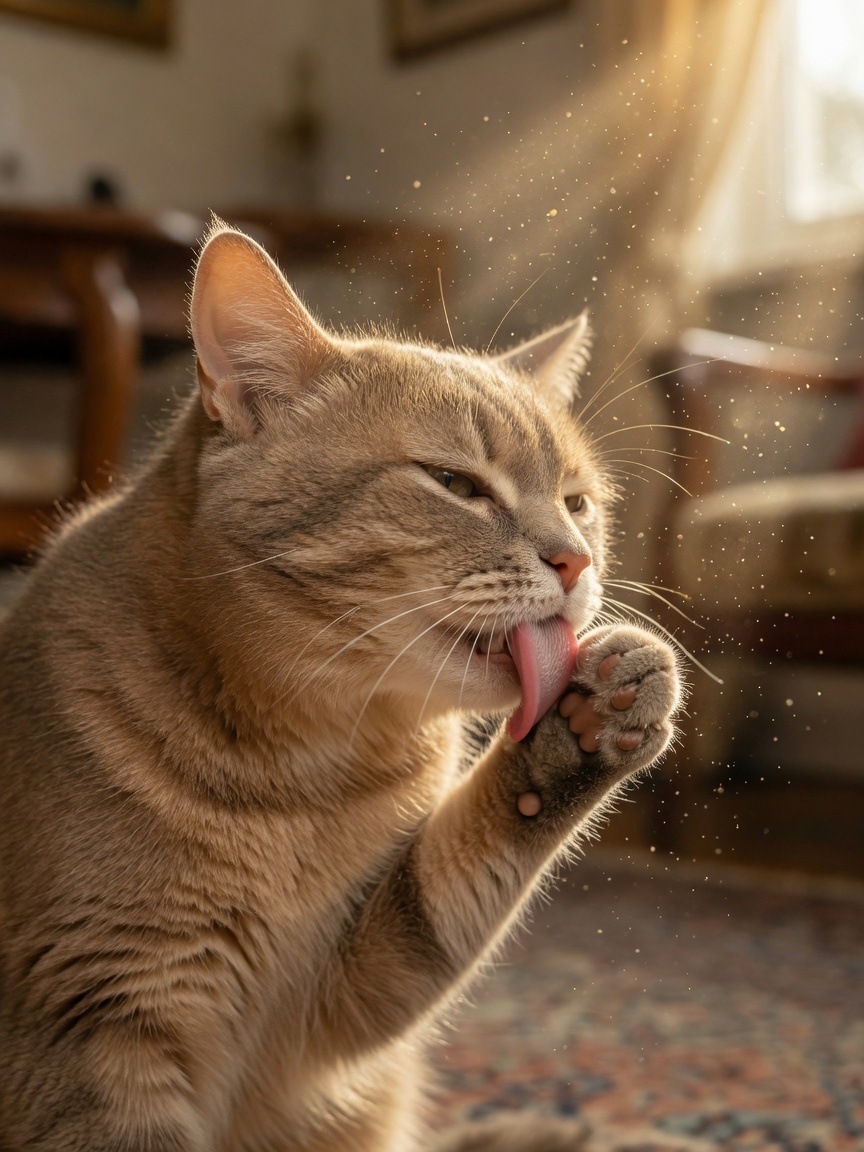
Close-up of a cat grooming itself with visible allergen particles suspended in natural window light

Most people assume cat allergies come from fur, but that's a common misconception. The primary culprit is a protein called Fel d 1, found in a cat's saliva, urine, and skin glands. When cats groom themselves—which they do frequently—this protein gets deposited onto their fur and throughout your home. It's incredibly sticky and can remain airborne for hours, settling on furniture, carpets, and clothing.

A smaller percentage of cat allergies stem from a protein called Fel d 4, found mainly in cat urine. Some individuals may react to both proteins, whilst others are sensitive to just one. This variation in allergic response is crucial to understanding why certain breeds seem to cause fewer reactions in some people.

The Difference Between "Hypoallergenic" and "Low-Allergen"

No cat breed is completely hypoallergenic—that's simply not scientifically possible when the allergen is produced by all cats. However, some breeds are considered "low-allergen" because they produce less Fel d 1 protein or shed less frequently. It's an important distinction that breeders and sellers should make clear.

Factors affecting allergen levels include:

  • Frequency and intensity of grooming behaviour
  • Coat type and shedding patterns
  • Individual variation within breeds
  • Sex and reproductive status of the cat
  • Overall health and stress levels

Breeds That May Cause Fewer Allergic Reactions

Whilst no cat is truly hypoallergenic, some breeds have gained reputations for being more suitable for allergy sufferers:

  • Sphynx: Nearly hairless, though not completely allergen-free
  • Devon Rex: Produces less dander due to short, wavy coat
  • Cornish Rex: Similar coat characteristics to Devon Rex
  • Russian Blue: Known for lower allergen production
  • Balinese: Paradoxically, produces less Fel d 1 despite long fur

It's essential to note that individual cats vary considerably. You might react to one Devon Rex but not another, depending on their specific allergen levels and grooming habits.

Practical Strategies to Reduce Cat Allergens
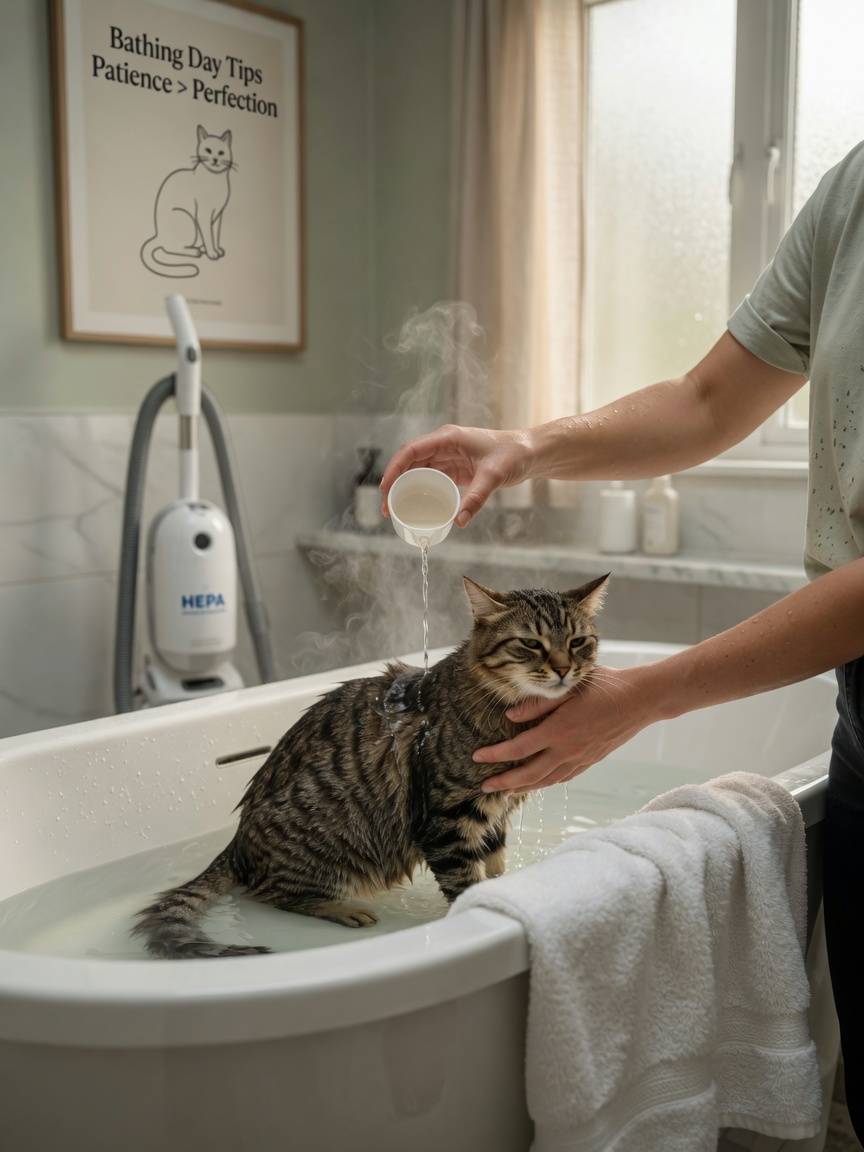
Person bathing a tabby cat in warm water with a towel and HEPA vacuum visible in the bathroom

If you're determined to share your home with a cat despite allergies, several evidence-based approaches can help minimise exposure:

  1. Use high-efficiency particulate air (HEPA) filters in your vacuum and home air purifiers
  2. Wash your cat weekly—studies show this reduces airborne allergens by up to 84%
  3. Keep your cat out of bedrooms and off furniture
  4. Use allergen-reducing furniture covers and washable rugs
  5. Consult an allergist about immunotherapy options
  6. Maintain regular grooming to minimise shedding

Testing Before Commitment

Before adopting any cat, spend substantial time with the specific breed and individual animal you're considering. Visit the breeder or rescue centre multiple times. Some allergic responses take days or weeks to develop, so a single visit may not reveal your full reaction.

Key Takeaways

True hypoallergenic cats don't exist, but low-allergen breeds do produce fewer allergic triggers for some people. Your best approach involves choosing a breed with a lower allergen profile, combining this with environmental controls like HEPA filtration and regular washing, and consulting healthcare professionals about managing your allergies. With dedication and the right strategies, many people with cat allergies successfully enjoy feline companionship.

#do hypoallergenic cats exist#cat health#feline nutrition#forpetshealthcare

Sources & further reading

This article is based on peer-reviewed veterinary research and reputable animal-health sources. Explore the underlying science in our Research Library.

Related articles

The 19 Best Animal Shelters in the Netherlands (2026)

the Netherlands's animal shelters, rescue associations and refuges save thousands of dogs, cats and other animals every year, almost always on tiny budgets and volunteer power. To build the most objective ranking possible, we analysed public Google reviews across more than 56 registered animal-prote…

Read more →

The 25 Best Animal Shelters in Italy (2026)

Italy's animal shelters, rescue associations and refuges save thousands of dogs, cats and other animals every year, almost always on tiny budgets and volunteer power. To build the most objective ranking possible, we analysed public Google reviews across more than 121 registered animal-protection org…

Read more →

The 48 Best Animal Shelters in Germany (2026)

Germany's animal shelters, rescue associations and refuges save thousands of dogs, cats and other animals every year, almost always on tiny budgets and volunteer power. To build the most objective ranking possible, we analysed public Google reviews across more than 152 registered animal-protection o…

Read more →

The 32 Best Animal Shelters in France (2026)

France's animal shelters, rescue associations and refuges save thousands of dogs, cats and other animals every year, almost always on tiny budgets and volunteer power. To build the most objective ranking possible, we analysed public Google reviews across more than 89 registered animal-protection org…

Read more →

The 8 Best Animal Shelters in Portugal (2026)

Portugal's animal shelters, rescue associations and municipal centros de recolha save thousands of dogs, cats and other animals every year, almost always on tiny budgets and volunteer power. To build the most objective ranking possible, we analysed public Google reviews across more than 86 registere…

Read more →

Sphynx Cat Skin care and hygiene: Causes, Signs & Care

Sphynx cats have little to no coat, which means the skin itself takes on jobs that fur normally does — insulation, oil dispersal, and barrier protection — leaving it prone to greasiness, blocked pores, fungal infections, and sunburn. The single most important thing to know is that a Sphynx's skin ne…

Read more →
Disclaimer:This article is for informational purposes only and does not constitute veterinary advice. Always consult a qualified veterinarian for your pet's health concerns.

Free newsletter

Pet health tips, straight to your inbox

Weekly science-backed advice for dog & cat owners. No spam, unsubscribe anytime.