
Leash pulling is one of the most common frustrations pet owners face during walks. Whether your dog lunges towards squirrels, strains to greet other dogs, or simply charges ahead without regard for your pace, this behaviour can be exhausting—and even dangerous. The good news is that with patience, consistency, and the right techniques, you can teach your dog to walk politely on the lead. Understanding why your dog pulls in the first place is the crucial first step towards resolving this challenging behaviour.
Why Dogs Pull on the Leash
Dogs pull for various reasons, and identifying the cause helps you address the problem more effectively. Most commonly, dogs pull because they've learned it works—pulling forward gets them closer to interesting sights, smells, or play opportunities. Some dogs pull due to excitement, frustration, or anxiety. Others simply haven't been taught what proper leash etiquette looks like. A few dogs may pull due to underlying health issues such as joint pain or vision problems, so it's worth discussing persistent pulling with your vet.
Essential Training Foundation: Loose Lead Walking
The foundation of eliminating leash pulling is teaching your dog that walking with slack in the lead is rewarding. This technique, called loose lead walking, is the gold standard for resolving this issue.
- Start in a quiet, low-distraction environment like your garden or a quiet street
- Hold treats close to your body at waist height
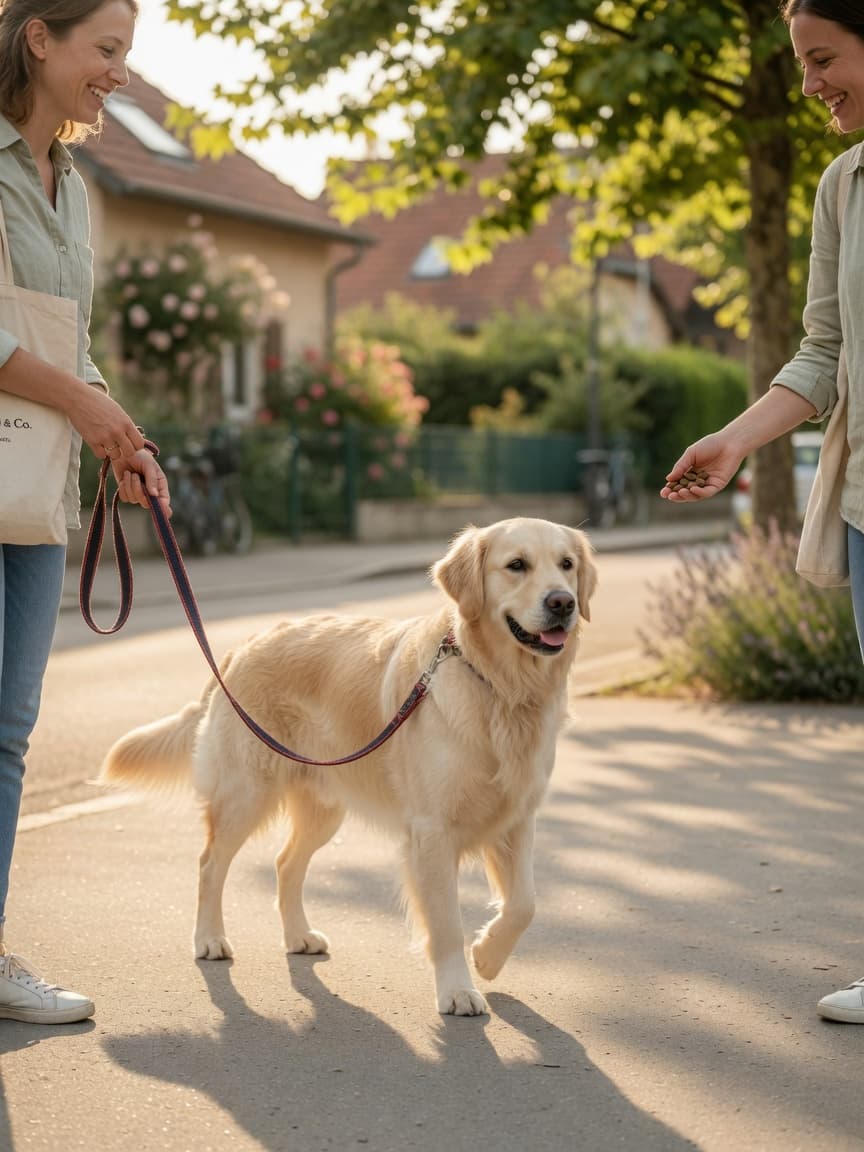
- Take a few steps forward; when your dog walks alongside you with the lead loose, immediately reward with praise and a treat
- If your dog pulls ahead, stop walking completely and wait for slack in the lead before proceeding
- Gradually increase the distance and duration before rewarding
- Practice this consistently for 10-15 minutes, several times weekly
Managing the Walking Environment
Until your dog has mastered loose lead walking, environmental management is crucial. Consider these practical strategies:
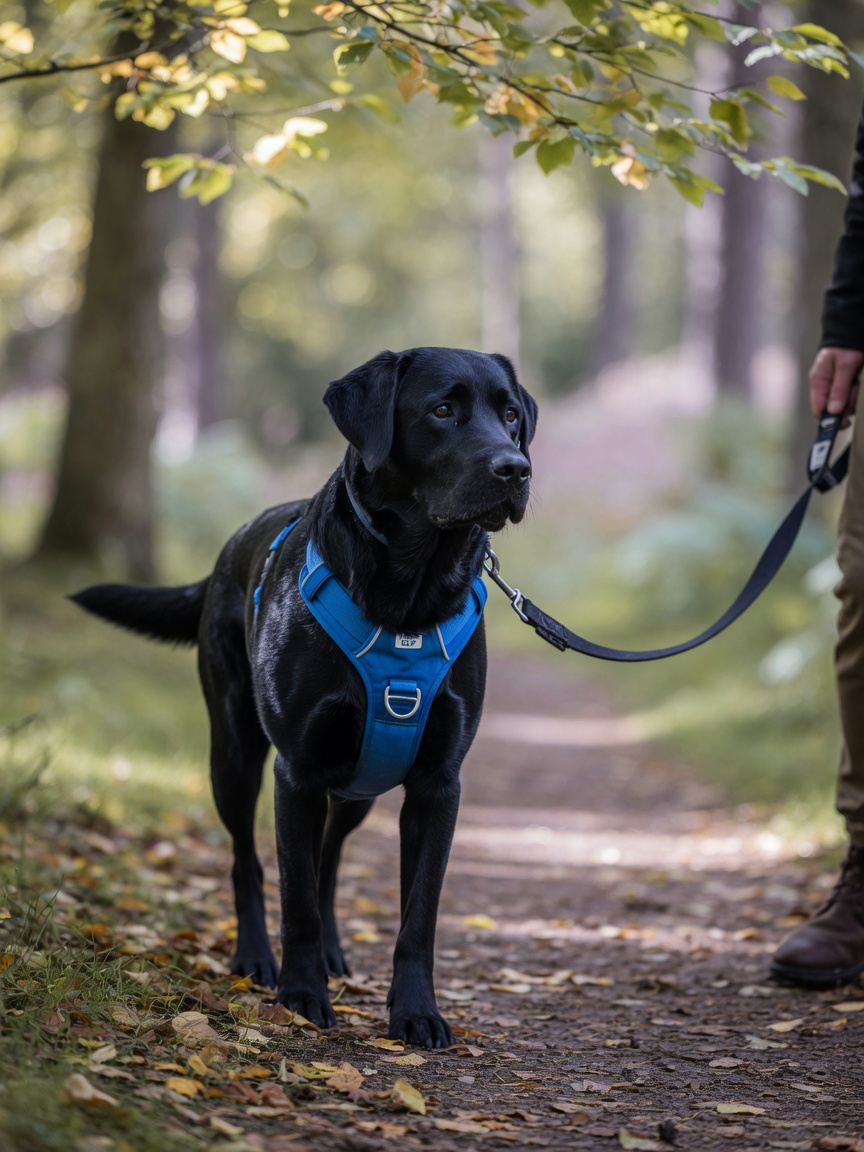
- Use a front-clip harness rather than a standard collar, as this redirects your dog's forward momentum when they pull
- Choose quieter routes initially, away from high levels of stimulation
- Walk at times when there are fewer distractions, such as early morning or quiet weekday afternoons
- Vary your walking routes to prevent boredom, but keep challenging routes for when training is further advanced
- Ensure your dog receives adequate exercise beforehand through play or training sessions
Handling Common Walking Scenarios
Different situations require slightly different approaches. When your dog pulls towards something specific, redirect their attention with a treat or toy before they reach full tension on the lead. If your dog lunges at other dogs or people, increase distance from these triggers and reward calm behaviour instead. Never punish pulling with jerking corrections; this creates anxiety and often worsens the problem long-term.
Consistency and Patience Matter Most
Training loose lead walking typically takes several weeks to months, depending on your dog's age, history, and temperament. The key is absolute consistency—every family member must implement the same techniques, and you must reward the desired behaviour every single time it occurs initially. Some owners find working with a qualified dog trainer invaluable for faster progress, particularly with larger breeds or dogs with established pulling habits.
Key Takeaways
Stop leash pulling by teaching loose lead walking through positive reinforcement, using appropriate equipment like front-clip harnesses, and managing your walking environment strategically. Remain patient and consistent, remembering that this is a learned behaviour that takes time to resolve. With dedication to these evidence-based techniques, you and your dog can enjoy relaxed, pleasant walks together.