
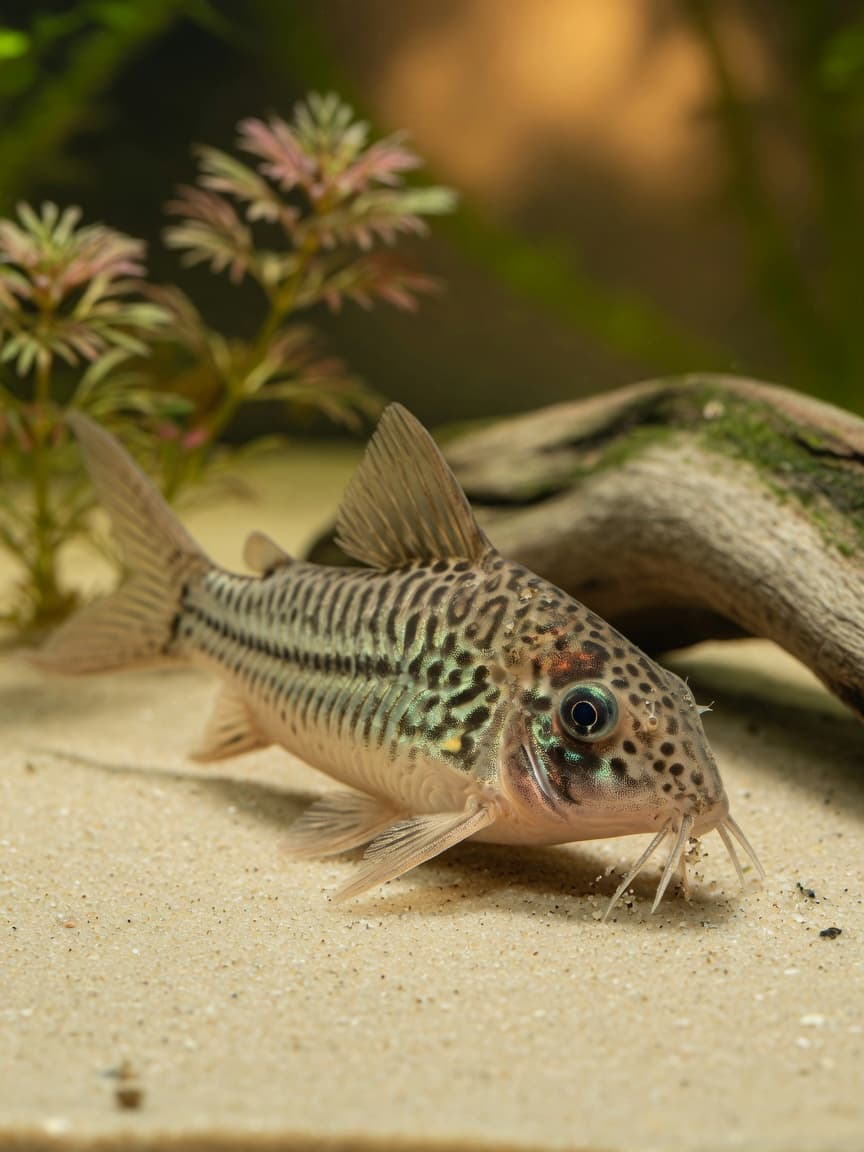
Catfish have become increasingly popular amongst UK aquarium enthusiasts, and for good reason. These fascinating bottom-dwellers are hardier than many tropical fish, relatively low-maintenance, and can develop genuine personalities. If you're considering adding a catfish to your aquarium, you'll find they're actually excellent pets for both beginners and experienced fishkeepers. However, they do have specific requirements that differ from typical community fish, so understanding their needs is essential before bringing one home.
What Makes Catfish Good Pets?
Catfish are excellent aquarium inhabitants for several reasons. They're incredibly adaptable creatures that can thrive in various water conditions, making them forgiving of minor fluctuations. Most catfish species are nocturnal, meaning they're active when you're settling down for the evening—perfect for observing their natural behaviours. They're also natural tank cleaners, feeding on algae wafers and leftover food that might otherwise foul your water.
Unlike many fish that remain aloof, catfish often recognise their owners and will actively approach the glass at feeding time. They can live for 10-20 years depending on the species, so adopting one is a genuine long-term commitment.
Choosing the Right Species
Not all catfish are created equal. Here are the most popular species for home aquariums:
- Corydoras catfish: Tiny, peaceful, and perfect for community tanks. They require groups of at least 4-6 individuals.
- Plecos: Excellent algae eaters, but can grow quite large (30-60cm depending on species). Consider the long-term space requirements.
- Otocinclus: Small, gentle, and ideal for smaller tanks. They work well in planted aquariums.
- Synodontis catfish: Slightly more aggressive and territorial, best suited to experienced keepers.
Setting Up the Perfect Environment
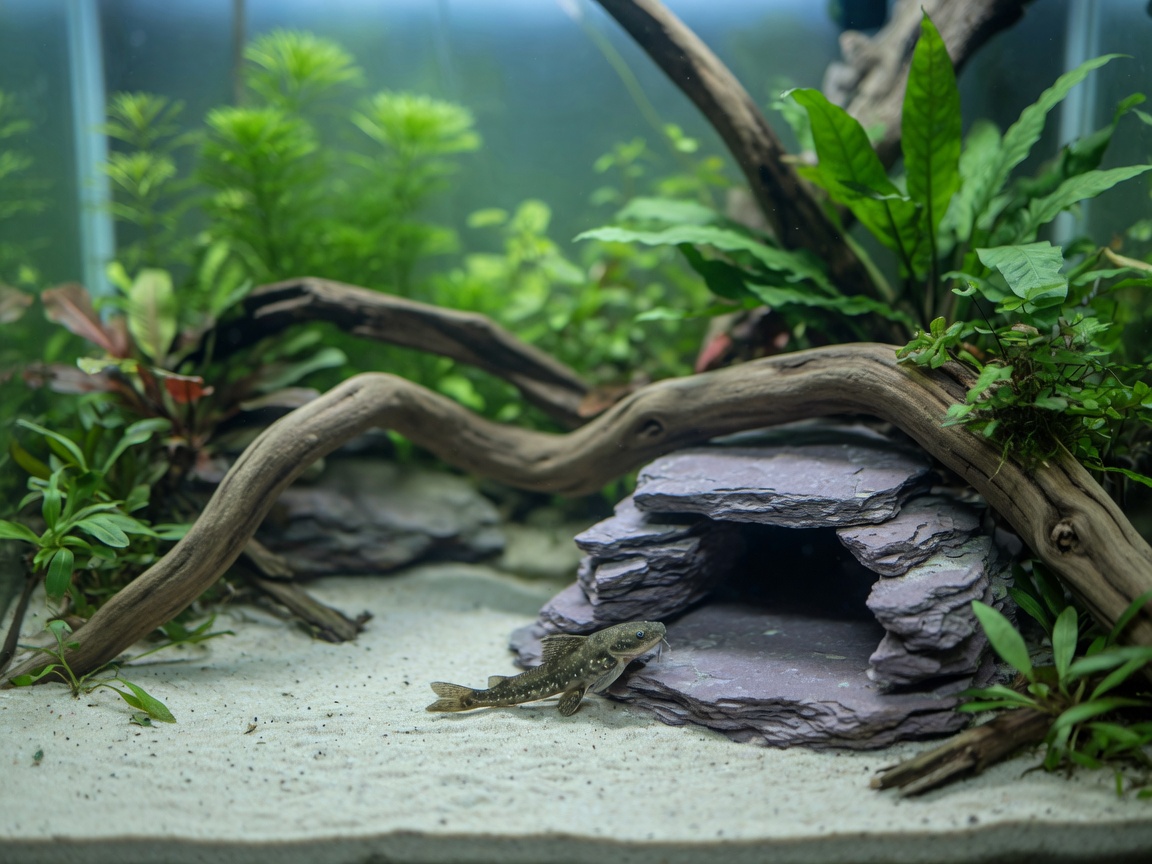
Catfish have specific habitat needs that must be met for them to thrive:
- Tank size: Smaller species like Corydoras need 40-60 litres minimum, whilst larger species require 150+ litres.
- Substrate: Use fine sand or smooth gravel. Catfish have sensitive barbels (whisker-like organs) used for finding food, and rough substrates can damage them.
- Hiding spaces: Provide caves, driftwood, and dense vegetation. Catfish are naturally reclusive and need refuge.
- Water parameters: Most species prefer slightly acidic to neutral water (pH 6.5-7.5) with temperatures between 20-26°C.
- Filtration: Adequate filtration is crucial as catfish produce significant waste.
Feeding and Nutrition
This is where many fishkeepers go wrong. Catfish are bottom feeders, but they're not rubbish disposal units. They need dedicated nutrition:
- Quality sinking pellets designed specifically for catfish
- Occasional vegetable matter (courgette, blanched spinach)
- Protein-rich foods like bloodworm or brine shrimp
- Feed in the evening when they're active
Avoid overfeeding, which is the leading cause of poor water quality in catfish tanks.
Compatibility and Tank Mates
Most catfish species are peaceful community residents, though this varies by species. Smaller catfish work brilliantly with tetras, guppies, and rasboras. Larger species may predate on very small fish. Aggressive species like some Synodontis should be kept with similarly robust fish or even alone.
Always research your specific species before introducing them to an established community tank.
Key Takeaways
Catfish make wonderful pets for dedicated aquarium enthusiasts. They're hardy, interesting, and can live for many years. Success depends on selecting the appropriate species for your tank size, providing proper substrate and hiding places, and committing to their specific dietary needs. With these foundations in place, your catfish will reward you with fascinating behaviour and a thriving aquatic ecosystem for years to come.