
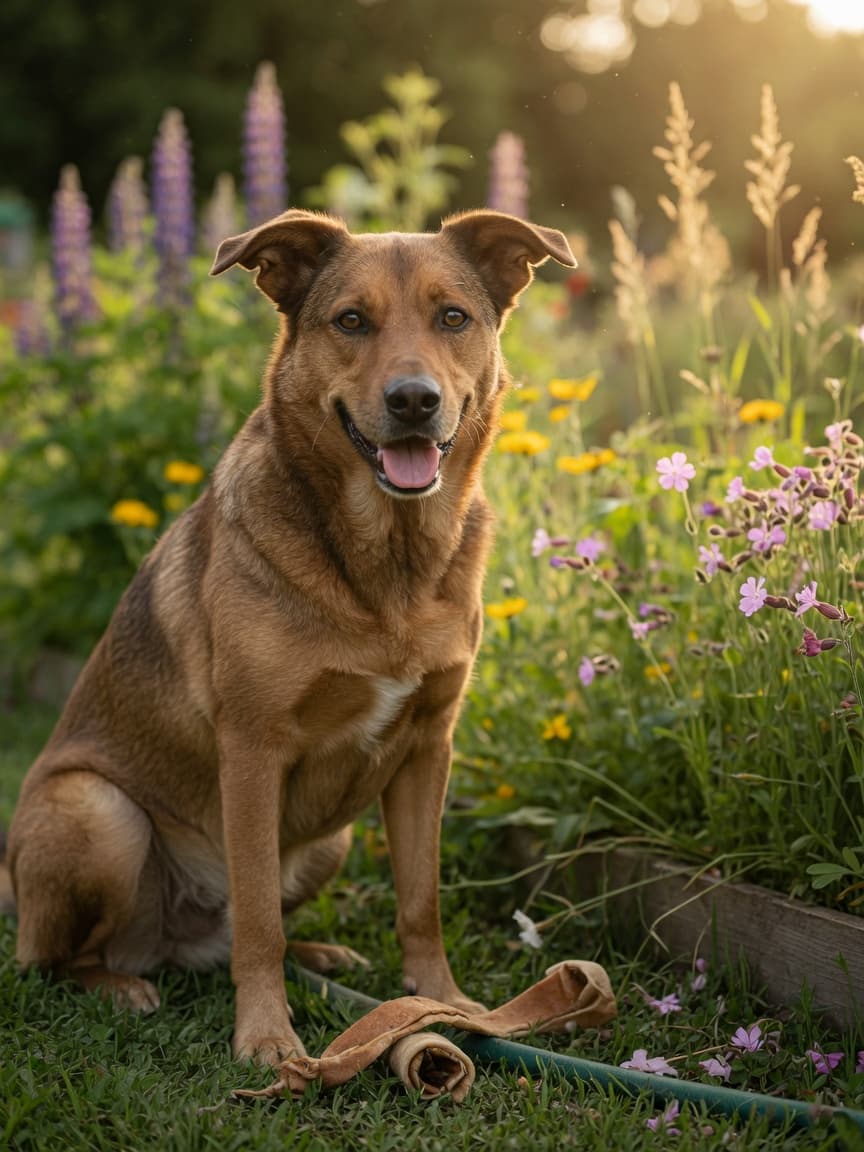
Destructive chewing is one of the most frustrating behavioural problems dog owners face in the UK. Whether it's your sofa cushions, shoes, or skirting boards, the damage—and the repair bills—can mount quickly. But here's the good news: destructive chewing is almost always preventable and manageable with the right approach. Understanding why your dog chews destructively is the first step towards breaking the habit and protecting both your home and your pet's wellbeing.
Why Dogs Chew Destructively
Before tackling solutions, it's important to understand the root causes. Dogs chew for several reasons, and identifying which applies to your pet will help you address the problem effectively.
- Boredom and lack of stimulation: Dogs are intelligent, active animals that need mental and physical engagement. Without adequate activity, they'll entertain themselves—often destructively.
- Anxiety and stress: Destructive chewing can indicate anxiety, particularly separation anxiety. Dogs may chew to self-soothe when stressed.
- Teething: Puppies chew because their teeth are erupting. This is normal behaviour but needs appropriate redirection.
- Dental problems: Adult dogs with dental disease or discomfort may chew excessively. If your dog suddenly increases destructive chewing, a veterinary check is essential.
- Energy levels: Young, energetic breeds aren't receiving enough exercise to tire them out properly.
Establish a Strong Exercise Routine
Many destructive chewing problems stem from pent-up energy. Adult dogs typically need 30 minutes to 2 hours of daily exercise, depending on their breed and age. Puppies require shorter, frequent sessions.
- Walk your dog at least twice daily, with variation in routes and terrain
- Include interactive play sessions in your garden or local park
- Consider running or cycling with your dog if they're an active breed
- Try activities like agility training, fetch games, or swimming
Tired dogs are less likely to engage in destructive behaviours. You'll notice a significant difference in your dog's behaviour once their exercise needs are properly met.
Provide Appropriate Chew Toys
Redirecting your dog's chewing impulse towards appropriate toys is crucial. Stock your home with a variety of chew items:
- Durable rubber toys and chew toys designed specifically for heavy chewers
- Rope toys for interactive play
- Puzzle toys that dispense treats as your dog chews and manipulates them
- Natural chews like yak chews or raw meaty bones (under supervision)
Rotate toys regularly to maintain novelty and interest. Show your dog these toys are more rewarding than your furniture by offering them during times when destructive chewing typically occurs.
Environmental Management and Prevention
Making destructive chewing impossible is often easier than trying to correct it after the fact.
- Keep valuable items, shoes, and soft furnishings out of reach
- Use baby gates to limit your dog's access to rooms when unsupervised
- Consider crate training for times when you cannot watch your dog—make the crate a positive, comfortable space
- Apply bitter-tasting deterrent sprays to furniture or areas you want to protect
- Close doors to rooms where unsupervised chewing is likely
Mental Stimulation and Enrichment
Boredom breeds destructive behaviour. Provide cognitive enrichment daily:
- Use puzzle feeders and treat-dispensing toys
- Hide treats around your home for sniffing games
- Teach new commands and tricks regularly
- Rotate toys to maintain interest
- Consider dog-appealing background sounds or music specifically designed for canines
When to Seek Professional Help
If destructive chewing is accompanied by anxiety symptoms, self-injury, or shows no improvement after consistent training efforts, consult your veterinarian. They can rule out medical issues and may refer you to a qualified behaviourist who can develop a tailored behaviour modification plan.
Key Takeaways
Stopping destructive chewing requires a multi-faceted approach: adequate daily exercise, appropriate chew toys, environmental management, and mental stimulation. Most cases improve within a few weeks once you've implemented these strategies consistently. Remember, your dog isn't being naughty—they're communicating an unmet need. Address that need, and you'll have a happier, better-behaved companion and a sofa that survives to tell the tale.