

Canine influenza, commonly referred to as "dog flu," is a highly contagious respiratory illness that affects thousands of dogs across Europe each year. Unlike the seasonal flu that humans experience, canine influenza is caused by specific strains of the influenza A virus that have adapted to infect dogs. Understanding this condition is essential for pet owners who want to protect their furry companions and recognise the warning signs before they become seriously ill. This comprehensive guide draws on veterinary expertise to help you navigate canine influenza with confidence.
What is Canine Influenza?
Canine influenza is a viral respiratory infection that spreads rapidly among dogs, particularly in environments where animals are housed closely together, such as kennels, dog shows, and shelters. The virus exists in two main strains: H3N8 and H3N2, both of which can cause varying degrees of severity in infected dogs. Most infected dogs develop mild to moderate symptoms and recover within 2-3 weeks with supportive care, though some may develop secondary bacterial infections that complicate recovery.
The virus is primarily transmitted through respiratory secretions—when an infected dog coughs, sneezes, or shakes, virus-laden droplets can travel several metres through the air. Dogs can also contract the illness by sharing contaminated food bowls, toys, or bedding.
Recognising the Signs and Symptoms
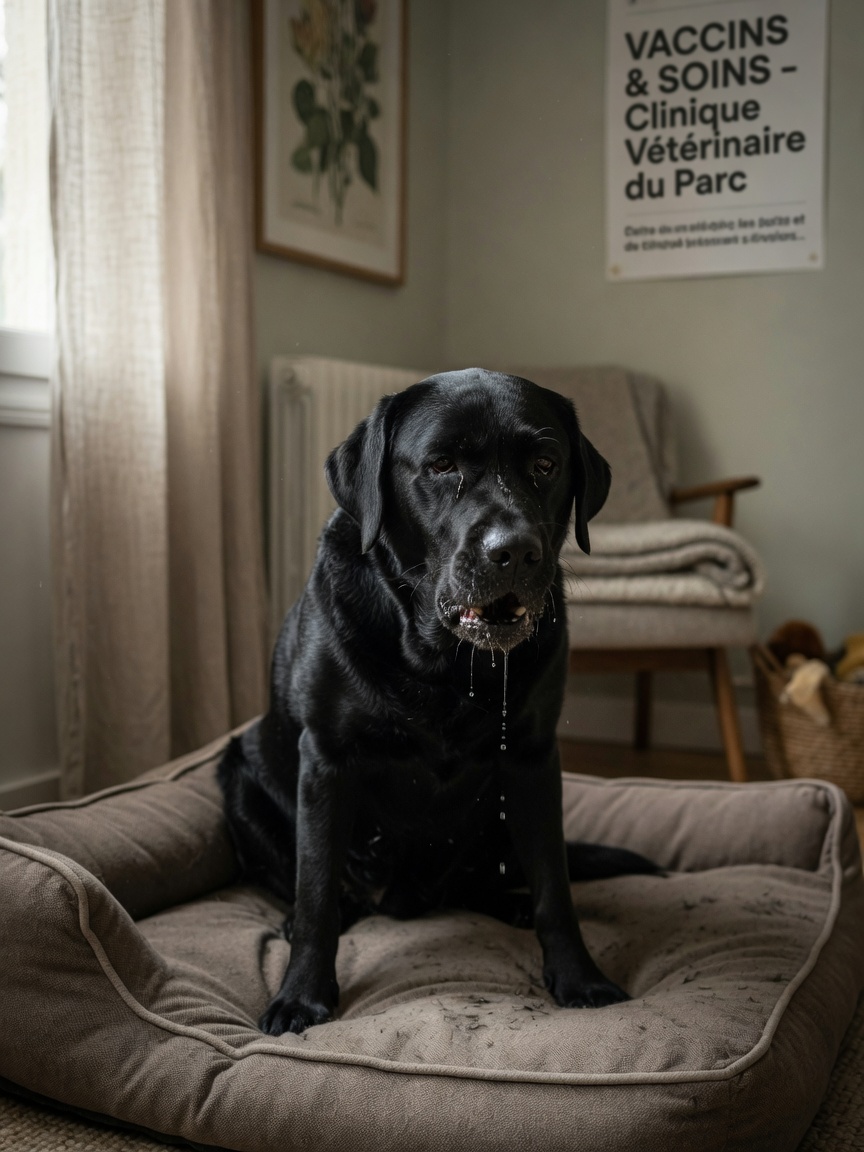
Early recognition is crucial for managing canine influenza effectively. Watch for these common symptoms:
- Persistent dry or moist cough that can last for several weeks
- Nasal discharge (clear, mucoid, or occasionally with blood)
- Sneezing and sniffling
- Lethargy and reduced appetite
- Mild to moderate fever (typically 39.5-40.5°C)
- Watery eyes and discharge around the face
Some dogs may show minimal symptoms or remain asymptomatic carriers, making the condition particularly tricky to manage in multi-dog households. If your dog develops any of these symptoms, contact your veterinary surgeon promptly for proper diagnosis and guidance.
Diagnosis and Veterinary Care
Your veterinarian can diagnose canine influenza through various methods, including rapid molecular testing (RT-PCR) on nasal or throat swabs, which provide results within hours. Blood tests and chest radiographs may be recommended if secondary complications are suspected.
Unfortunately, there is no specific antiviral treatment for canine flu. Management focuses on supportive care, including:
- Plenty of rest in a warm, comfortable environment
- Ensuring adequate hydration with fresh water available at all times
- Providing easily digestible, nutritious food
- Using a humidifier to ease respiratory symptoms
- Monitoring for secondary bacterial infections
Antibiotics may be prescribed if your dog develops a secondary bacterial infection, but they won't treat the viral infection itself.
Prevention Strategies
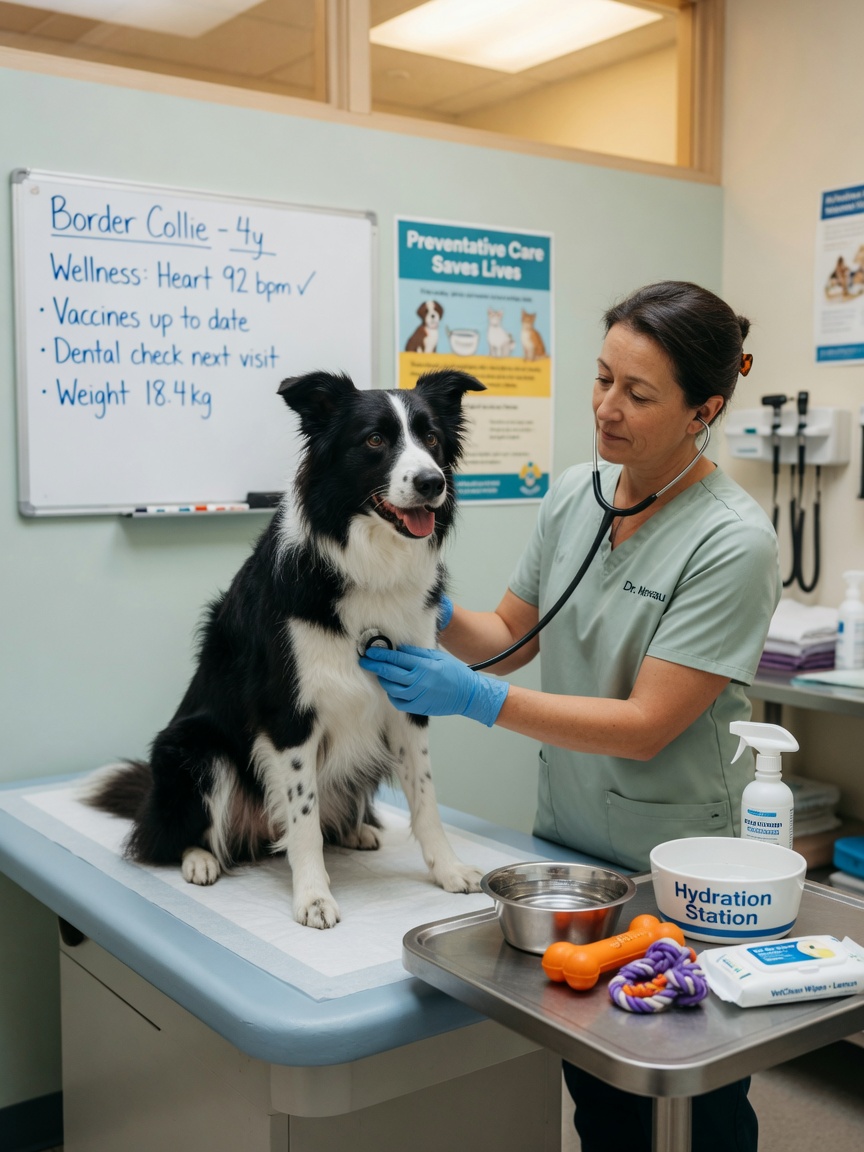
Vaccination is the most effective preventative measure. Canine influenza vaccines are available and recommended for dogs at higher risk, including those attending dog shows, boarding facilities, or living in areas with known outbreaks. Discuss vaccination options with your veterinarian to determine if it's appropriate for your dog.
Additional prevention measures include:
- Minimising contact with infected dogs during known outbreaks
- Practising good hygiene—wash hands after handling other dogs
- Disinfecting toys, bowls, and bedding regularly
- Maintaining proper ventilation in shared spaces
- Avoiding stressful situations that weaken immune function
When to Seek Emergency Care
Whilst most cases resolve without complications, seek immediate veterinary attention if your dog develops difficulty breathing, persistent high fever, lethargy that doesn't improve, or signs of pneumonia such as rapid breathing at rest.
Key Takeaways
Canine influenza is a common but manageable respiratory condition. By staying informed, recognising early symptoms, maintaining preventative measures, and working closely with your veterinary surgeon, you can protect your dog and minimise the impact of this illness. Remember: prompt action and supportive care are your best tools in ensuring your beloved companion recovers quickly and completely.