

Starting a dog walking business is an excellent way to combine your passion for canines with entrepreneurial ambition. Whether you're looking for flexible income or a full-time career, 2026 presents an ideal opportunity to launch this rewarding venture. With pet ownership at an all-time high across Europe and increasingly busy schedules, dog owners are actively seeking reliable, trustworthy walkers. This comprehensive guide will walk you through every step of establishing a successful dog walking business, from initial planning to building a loyal client base.
Assess Your Fitness and Skills
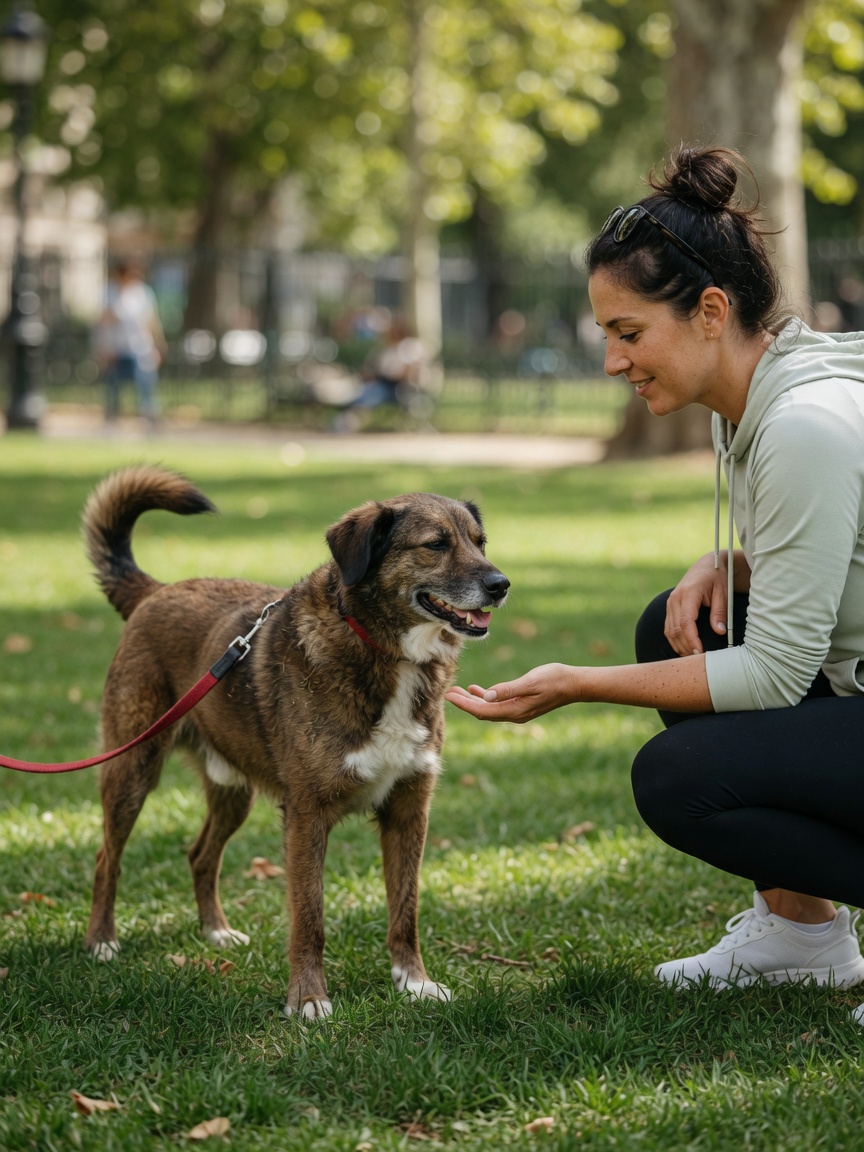
Before launching your business, honestly evaluate your physical capability to handle multiple dogs of varying sizes and temperaments. Dog walking requires stamina, strength, and excellent animal handling skills. Consider your experience with different breeds, ages, and behavioural issues. If you lack confidence, enrol in canine behaviour courses or gain experience volunteering at rescue centres. Understanding canine body language, recognising stress signals, and knowing how to respond safely to common walking scenarios is essential.
Create a Solid Business Plan
A professional business plan establishes your foundation:
- Define your services: Standard walks, group walks, midday visits, off-lead adventures, or specialised care for senior dogs
- Set competitive pricing: Research local rates in your area; typical UK prices range from £10-£20 for 30-minute walks
- Identify your target market: Busy professionals, elderly pet owners, or families with multiple dogs
- Calculate startup costs: Insurance, leashes, waste bags, phone, and marketing materials
- Establish financial projections: How many clients do you need to reach profitability?
Obtain Necessary Insurance and Legal Requirements
Professional liability and public indemnity insurance is non-negotiable. This protects you if a dog is injured during your care or causes damage to property or people. Register as self-employed with HMRC if you're in the UK, and check whether local council regulations require licensing. Some areas mandate DBS (Disclosure and Barring Service) checks. Obtain proper contracts outlining your terms, cancellation policies, and liability limitations. Emergency protocols for injuries or lost dogs must be clearly documented and communicated to clients.
Build Your Online Presence
Establish credibility through multiple channels:
- Create a professional website with clear service descriptions and pricing
- Set up social media accounts showcasing happy clients (with owner permission and consent forms)
- Request Google reviews from satisfied clients
- Join local online community groups and pet forums
- Consider creating a simple booking system for client convenience
Develop Safety and Care Standards
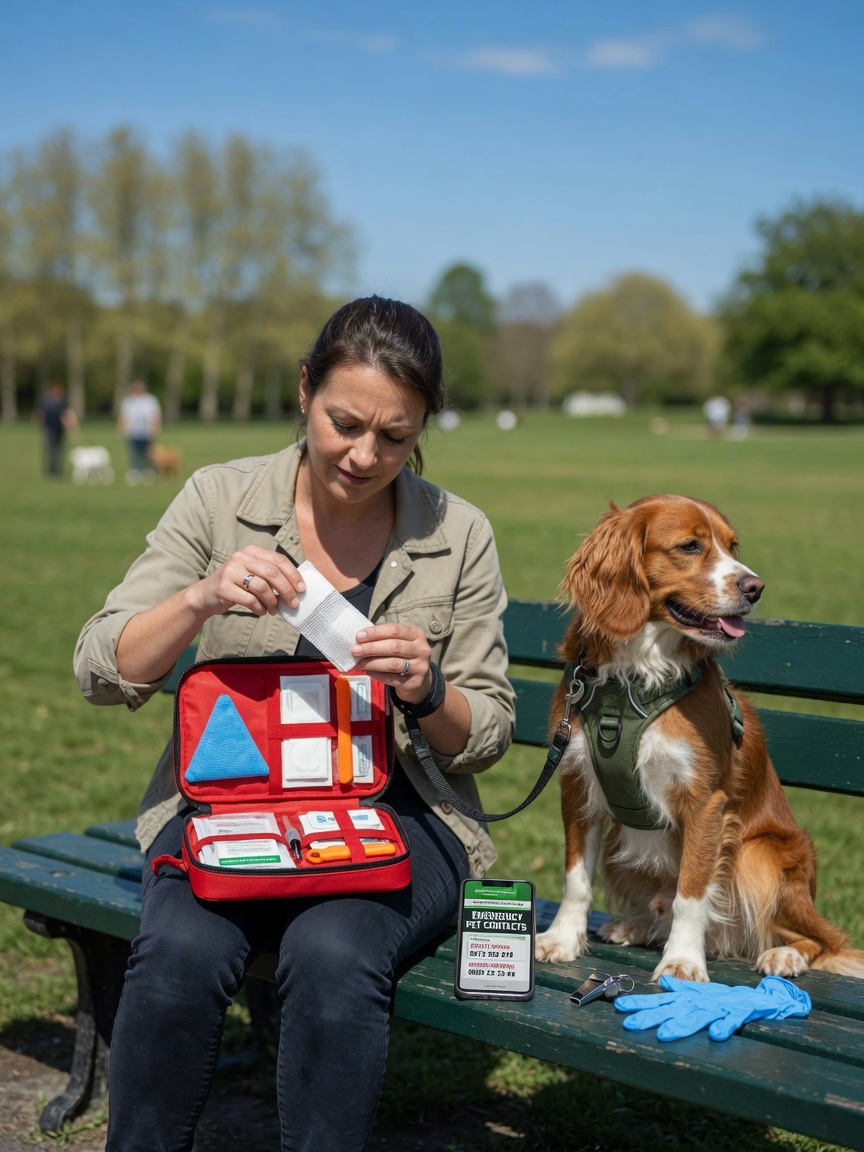
Your reputation depends on safety excellence. Implement the following practices:
- Always carry first aid supplies and know basic pet first aid
- Use secure, appropriately-sized equipment for each dog
- Maintain detailed records of each dog's health needs, allergies, and behavioural issues
- Establish maximum group sizes to ensure proper supervision
- Never walk dogs with untreated infectious conditions
- Check weather conditions and adjust walks accordingly
- Always have emergency contact information accessible
Launch and Scale Your Business
Start with a manageable number of clients whilst maintaining quality. Offer the first walk at a slight discount to build your portfolio. Ask satisfied clients for referrals and testimonials. Consider expanding services gradually—perhaps adding dog sitting, training assistance, or puppy socialisation walks. Invest in additional training to strengthen your offerings and justify premium pricing.
Key Takeaways
Launching a dog walking business in 2026 requires genuine animal passion, professional planning, and commitment to safety standards. By obtaining proper insurance, developing clear policies, building an online presence, and prioritising canine welfare, you'll establish a sustainable, rewarding business. Remember, your reputation is your most valuable asset—consistently delivering excellent care and communication will generate referrals and long-term success. Start small, stay professional, and let your love for dogs shine through in every interaction.