
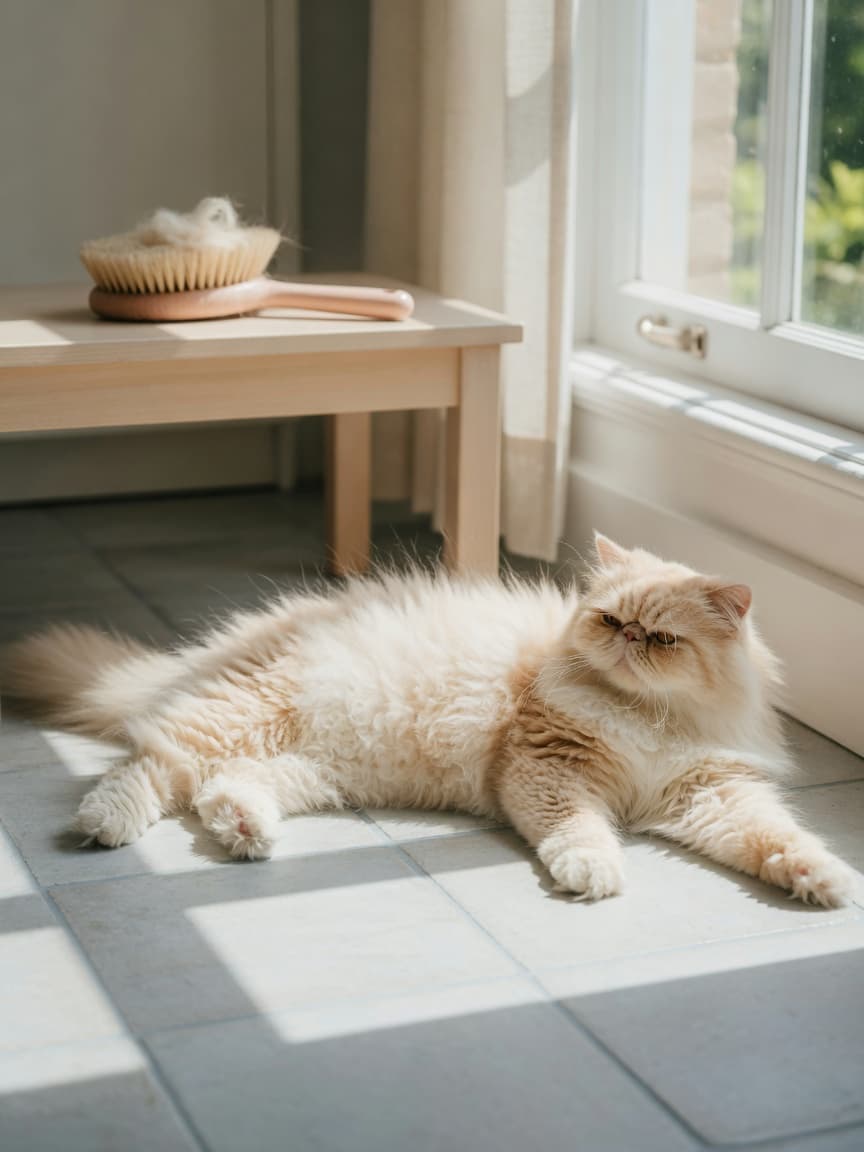
As temperatures rise and summer arrives, many cat owners wonder whether shaving their feline companion might help them stay cool and comfortable. It's a well-intentioned question, but the answer isn't straightforward. Unlike dogs, cats have evolved with a sophisticated coat system that serves multiple purposes beyond temperature regulation. Understanding your cat's natural defences against heat can help you make the best decision for their wellbeing during warmer months.
Why a Cat's Coat Isn't Just About Warmth
Many people assume cat hair works the same way as dog hair, but that's not entirely accurate. A cat's coat contains multiple layers of hair—guard hairs and down hairs—that create insulation and protect the skin from the sun's harmful ultraviolet (UV) rays. This dual-layer system actually helps keep cats cool in summer by creating air pockets that allow heat to escape whilst preventing direct sun exposure to sensitive skin.
Additionally, a cat's coat helps regulate moisture and provides a natural barrier against insects, parasites, and environmental irritants. Removing this protection through shaving can leave your cat vulnerable to these threats.
The Risks of Shaving Your Cat
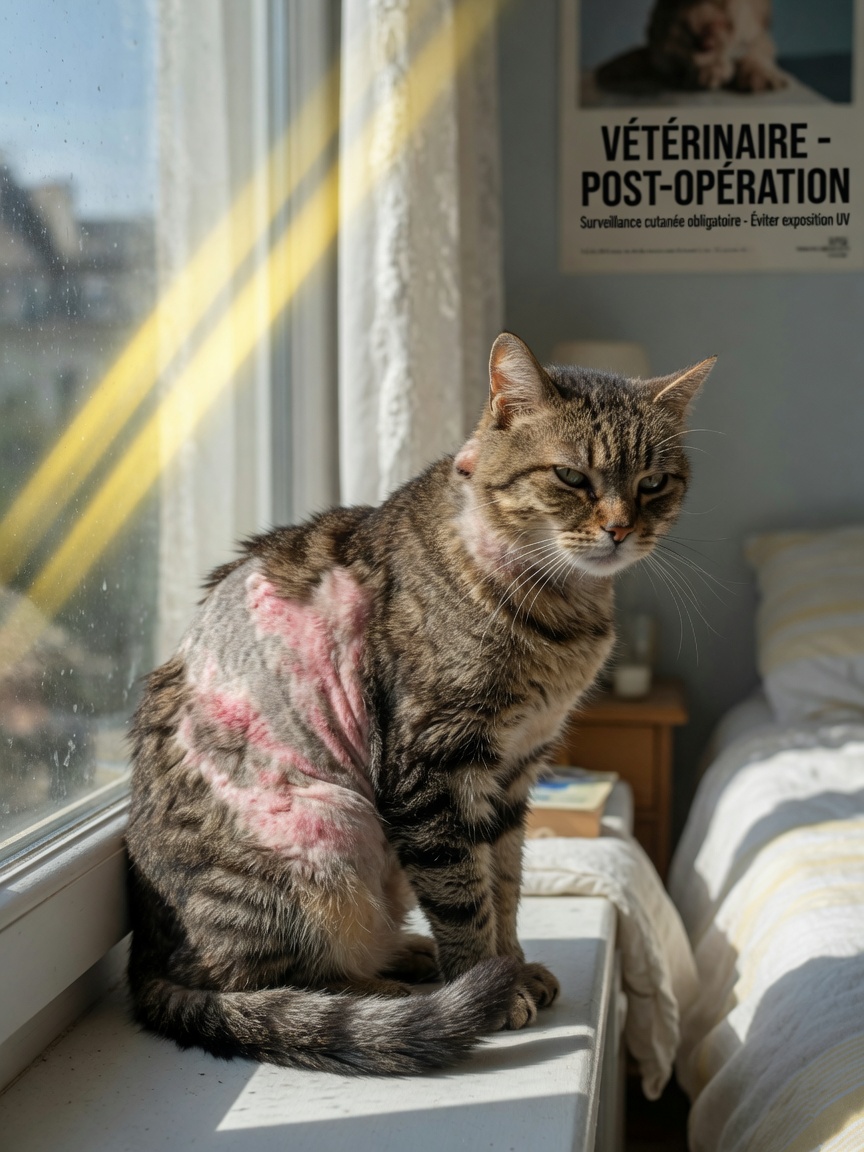
Whilst shaving might seem logical for hot weather, it carries several significant risks:
- Sunburn and skin damage: Cats' skin is delicate and easily burned. Shaved areas can develop painful sunburn within hours of UV exposure.
- Temperature regulation problems: Without their coat, cats struggle to maintain proper body temperature, which can lead to overheating or, paradoxically, feeling cold indoors with air conditioning.
- Behavioural changes: Many cats experience stress and anxiety after shaving, leading to hiding, aggression, or litter box issues.
- Skin infections: The shaving process can cause micro-abrasions, making skin susceptible to bacterial and fungal infections.
- Hair regrowth complications: Some cats develop matted or abnormally textured hair when it grows back, particularly long-haired breeds.
When Shaving Might Be Necessary
There are specific circumstances where a veterinary professional might recommend shaving:
- Severe matting that cannot be combed out
- Medical conditions requiring skin treatment or monitoring
- Post-operative care following surgery
- Extreme cases of overheating in elderly or ill cats with underlying health conditions
In these situations, your vet should handle the shaving with appropriate safety measures and aftercare advice.
Safer Alternatives to Keep Your Cat Cool
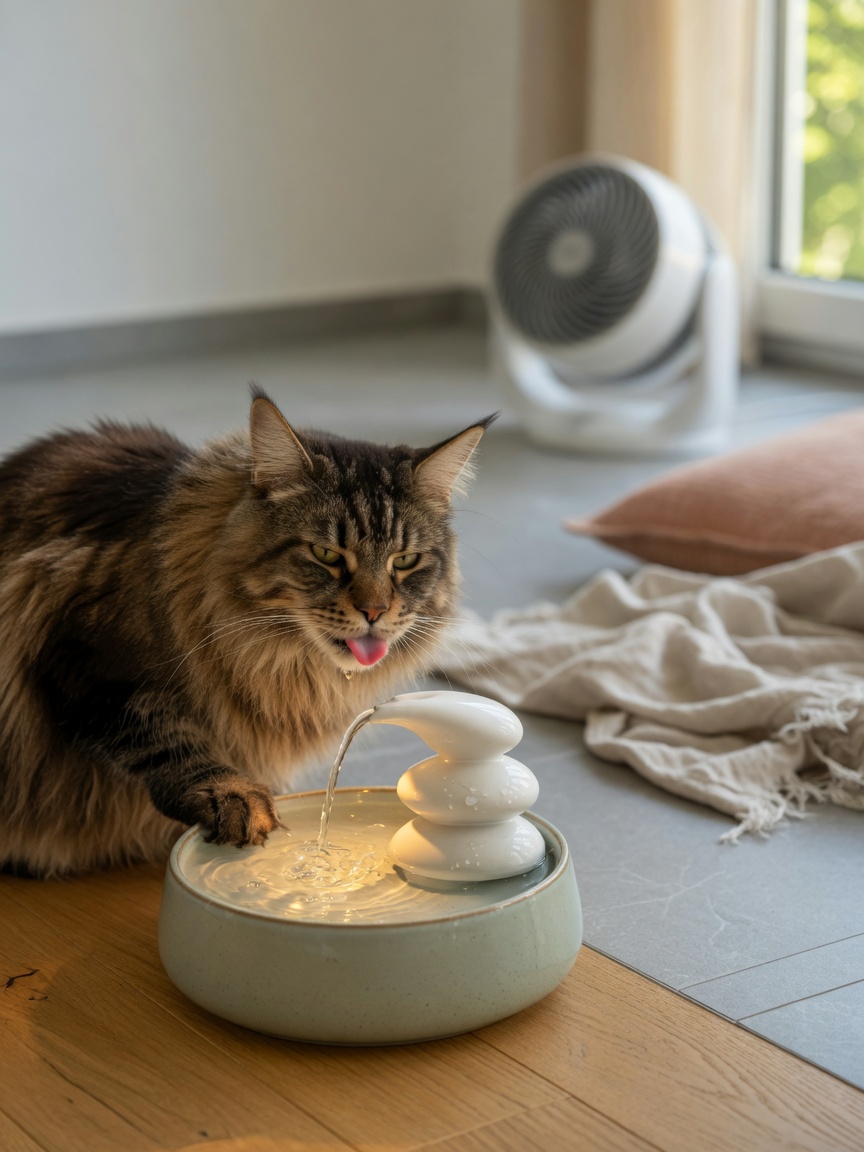
Instead of shaving, try these proven methods to help your cat stay comfortable during summer:
- Grooming: Regular brushing removes loose undercoat and improves air circulation through the coat without removing it entirely.
- Hydration: Ensure fresh water is always available. Consider a cat water fountain, as many cats prefer running water.
- Cool spaces: Provide shaded areas, cool tiles, or designated cool zones away from direct sunlight.
- Lightweight bedding: Swap heavy blankets for breathable, cool fabrics.
- Air circulation: Use fans to create gentle air movement (not directly on the cat).
- Playtime scheduling: Exercise during cooler morning and evening hours.
- Indoor cats: Keep cats indoors during peak heat hours (typically 11am-3pm).
Breed Considerations
Long-haired breeds like Persians, Maine Coons, and Ragdolls are more prone to overheating and matting. These cats benefit most from consistent grooming rather than shaving. Conversely, naturally short-haired breeds like Siamese or Bengals typically manage summer heat well with their existing coat.
Key Takeaways
In most cases, shaving your cat for summer is unnecessary and potentially harmful. A cat's coat is a sophisticated system designed to protect and regulate their body temperature. Instead, focus on increasing grooming frequency, ensuring adequate hydration, providing cool environments, and monitoring your cat for signs of heat stress. If your cat struggles with overheating or has matting issues, consult your veterinary surgeon about safe, individualised solutions rather than full shaving. Your cat's comfort and health depend on working with their natural biology, not against it.