
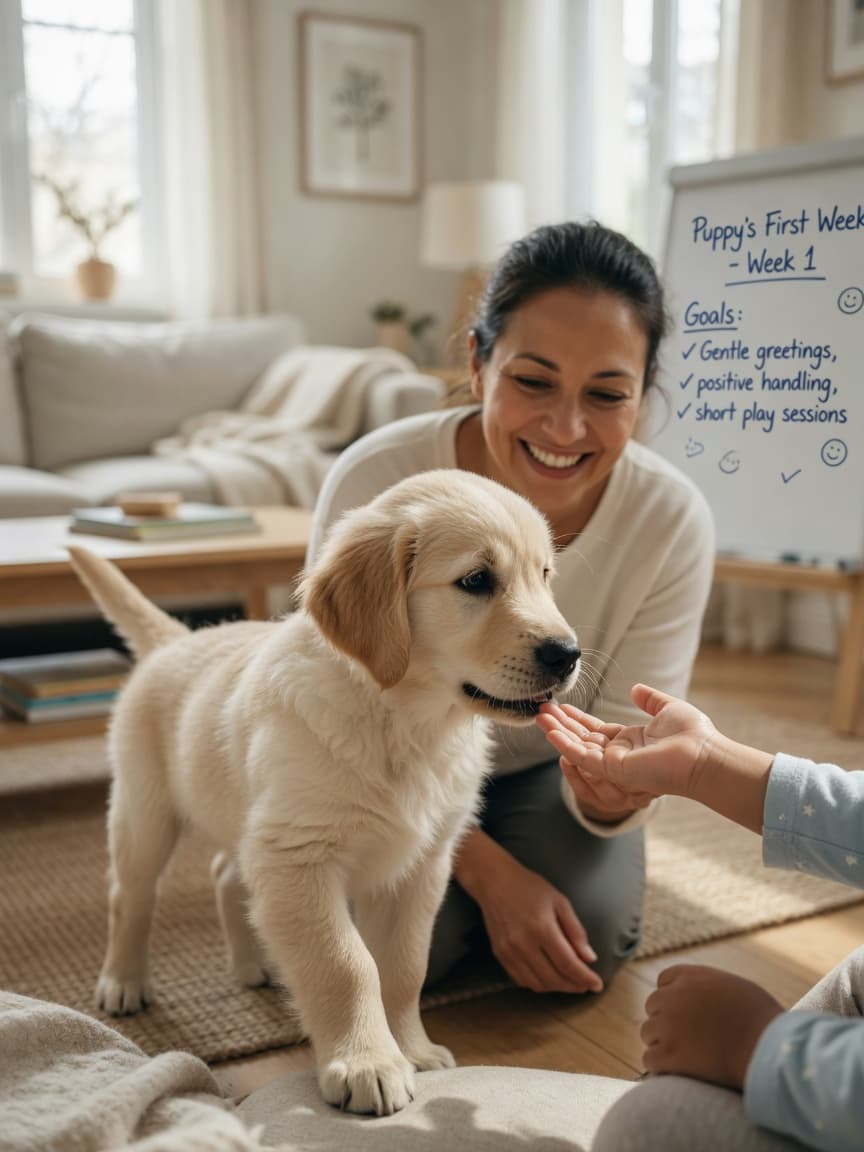
Bringing a new puppy home is exciting, but one of your most important responsibilities during those early months is socialisation. Puppies that are properly socialised develop into confident, well-adjusted adult dogs who interact positively with people, other animals, and their environment. Research shows that puppies have a critical socialisation window between 3 and 14 weeks of age—missing this period can lead to fear, anxiety, and behavioural problems later in life. The good news? Socialisation doesn't require expensive classes or complicated routines. With patience and consistency, you can lay the foundation for a happy, friendly companion.
Understanding the Importance of Early Socialisation
Socialisation is the process of exposing your puppy to a wide range of experiences, people, animals, and environments in a positive way. During the critical period, puppies' brains are particularly receptive to new stimuli, and positive experiences create lasting impressions. Puppies that miss this window often develop fear-based behaviours that are difficult to reverse. However, starting early and progressing gradually gives your puppy the confidence to navigate the world as an adult dog.
10 Safe & Simple Socialisation Tips
- Start with your immediate environment. Begin socialisation at home with family members, handling your puppy gently and frequently. Let different people pet your puppy, touch their paws, ears, and mouth to prepare them for grooming and veterinary care.
- Introduce household sounds gradually. Play recordings of doorbells, vacuum cleaners, and thunder at low volume whilst your puppy plays or eats. This desensitises them to everyday noises without causing stress.
- Arrange controlled meetings with other vaccinated dogs. Once your vet confirms sufficient vaccination, arrange playdates with vaccinated dogs in safe spaces. Watch for positive interactions and separate puppies if play becomes too rough.
- Visit the veterinary clinic during non-appointment times. Many practices welcome brief, informal visits where puppies can explore the reception area without the stress of an examination. This reduces anxiety during future health checks.
- Expose your puppy to different surfaces and terrains. Walk on grass, gravel, tiles, and wooden floors. This builds confidence and prevents fear responses to unfamiliar ground textures later.
- Introduce children of various ages appropriately. Supervise all interactions closely. Teach children to be calm and gentle, and allow your puppy to approach at their own pace rather than forcing interaction.
- Take short trips in the car. Start with brief journeys to build familiarity. This prevents car sickness anxiety and prepares your puppy for essential travel to the vet or groomer.
- Visit different environments gradually. Short visits to quiet parks, pet-friendly shops, and varied neighbourhoods expose your puppy to new sights, smells, and experiences. Keep initial visits brief to avoid overwhelming them.
- Use positive reinforcement consistently. Reward calm behaviour, curiosity, and confidence with praise, treats, and play. Never force your puppy into situations that frighten them; let them explore at their own pace.
- Establish a predictable routine. Puppies feel secure when daily activities follow a pattern. Combine structured socialisation with regular feeding, play, and rest times to prevent stress and anxiety.
What to Avoid During Socialisation
Never force your puppy to interact with something that frightens them—this can worsen anxiety. Avoid exposing unvaccinated puppies to unknown dogs or contaminated areas, as this increases disease risk. Don't socialise during periods when your puppy is unwell or stressed, as negative experiences stick more readily. Finally, ensure all interactions remain positive; even one frightening encounter can impact long-term confidence.
Key Takeaways
- The 3-14 week period is critical—start early and be consistent
- Positive experiences create confident adult dogs
- Gradual exposure is safer than forcing interaction
- Use treats, praise, and play to reward calm curiosity
- Combine socialisation with vaccinations and safety measures
- Every puppy progresses at their own pace—patience is essential
Proper puppy socialisation sets the stage for a lifetime of confident behaviour and positive relationships. By following these simple, evidence-based tips, you're investing in your puppy's emotional wellbeing and your own enjoyment of life together as they mature.
```