
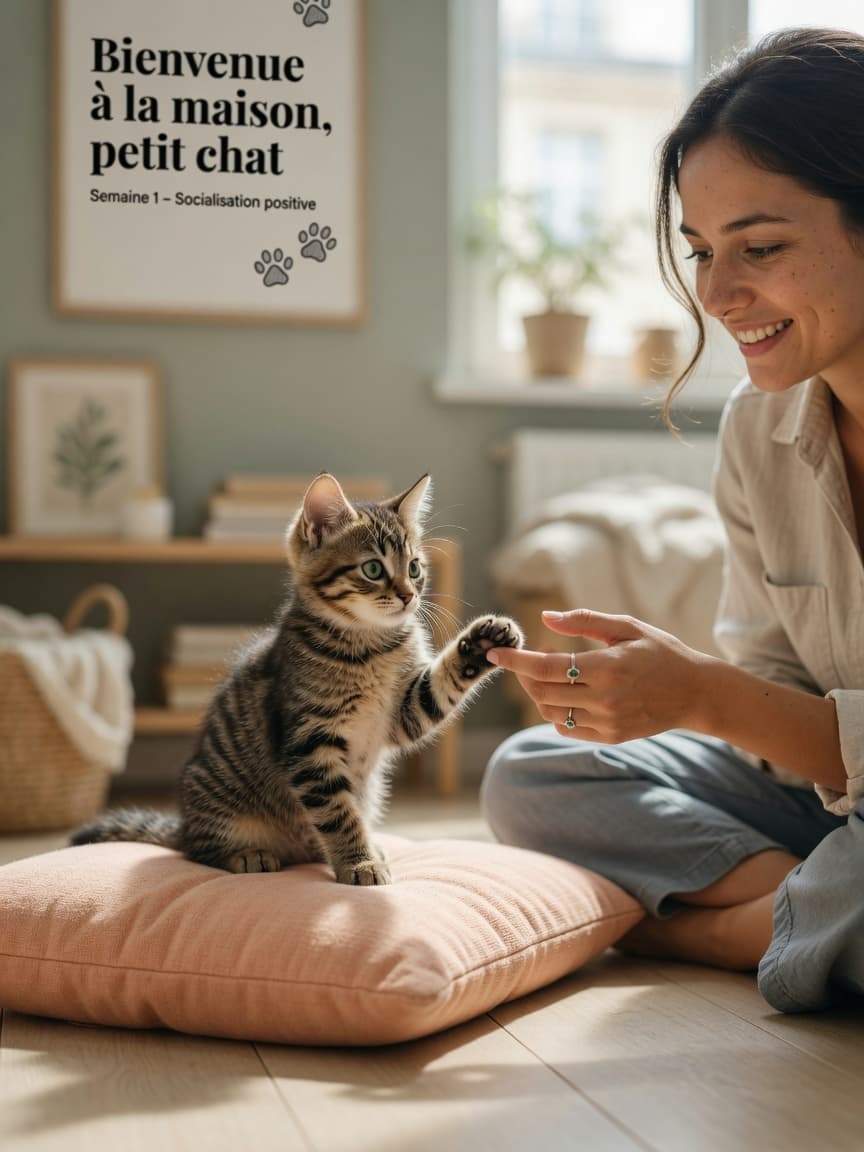
The first few weeks of a kitten's life are crucial for shaping their personality, confidence, and ability to interact with people and other animals. Proper socialisation during this critical period can mean the difference between a well-adjusted, friendly adult cat and one prone to anxiety or aggression. If you're a new kitten owner, understanding how to socialise your furry friend effectively will set them up for a happy, balanced life. Let's explore the best practices for introducing your kitten to the world around them.
Understanding the Socialisation Window
Kittens are most receptive to new experiences between 2 and 7 weeks of age, with continued sensitivity through 14 weeks. During this period, their brains are developing rapidly, and positive experiences become embedded in their long-term memory. Research shows that kittens exposed to a variety of people, environments, and stimuli during this window are significantly more confident and adaptable as adults.
It's important to note that socialisation doesn't stop at 14 weeks—it continues throughout a kitten's first year, though the impact of early exposure is most significant.
Introducing Your Kitten to People
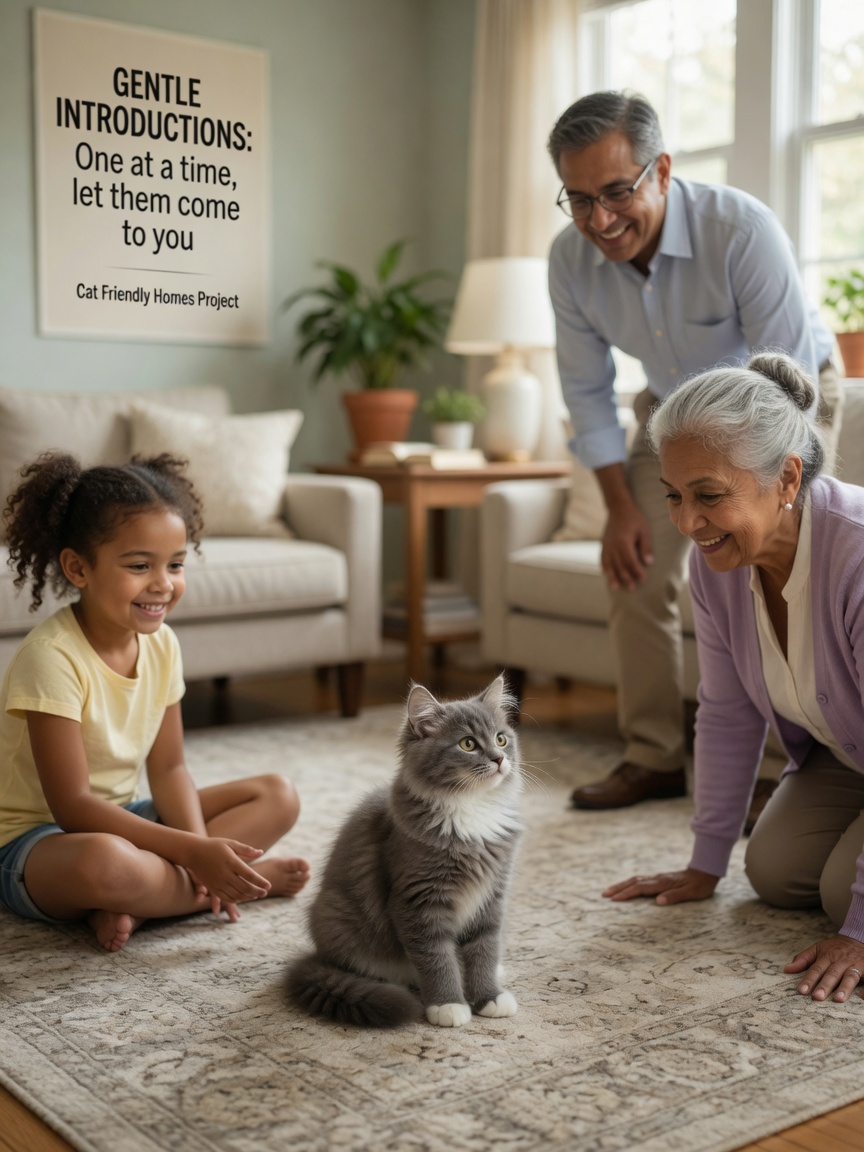
Start by inviting different people to meet your kitten in a calm, controlled environment. Here's how to do it effectively:
- Begin with close family members before introducing friends and neighbours
- Ask visitors to sit at the kitten's level rather than standing over them
- Let your kitten approach visitors at their own pace—never force interaction
- Reward calm social behaviour with treats and praise
- Expose your kitten to people of different ages, including children, elderly relatives, and those wearing glasses or hats
- Arrange gentle handling by different people to build comfort with touch
Remember, patience is key. Some kittens are naturally outgoing, whilst others need more time to build confidence. Forcing interactions can have the opposite effect.
Environmental Exposure and Sensory Experiences
A well-socialised kitten should become accustomed to various sounds, textures, and environments. Gradually introduce your kitten to:
- Household appliances: the vacuum cleaner, washing machine, and dishwasher
- Different flooring types: carpets, tiles, wooden floors, and outdoor surfaces
- Common sounds: doorbells, telephone rings, and television noise
- Different rooms throughout your home
- Safe outdoor environments, such as enclosed gardens or patios (if appropriate for your living situation)
Play soft background music or recorded sounds of urban environments to desensitise your kitten to everyday noise. This approach, combined with positive reinforcement, helps prevent sound-related anxiety later in life.
Socialising with Other Animals
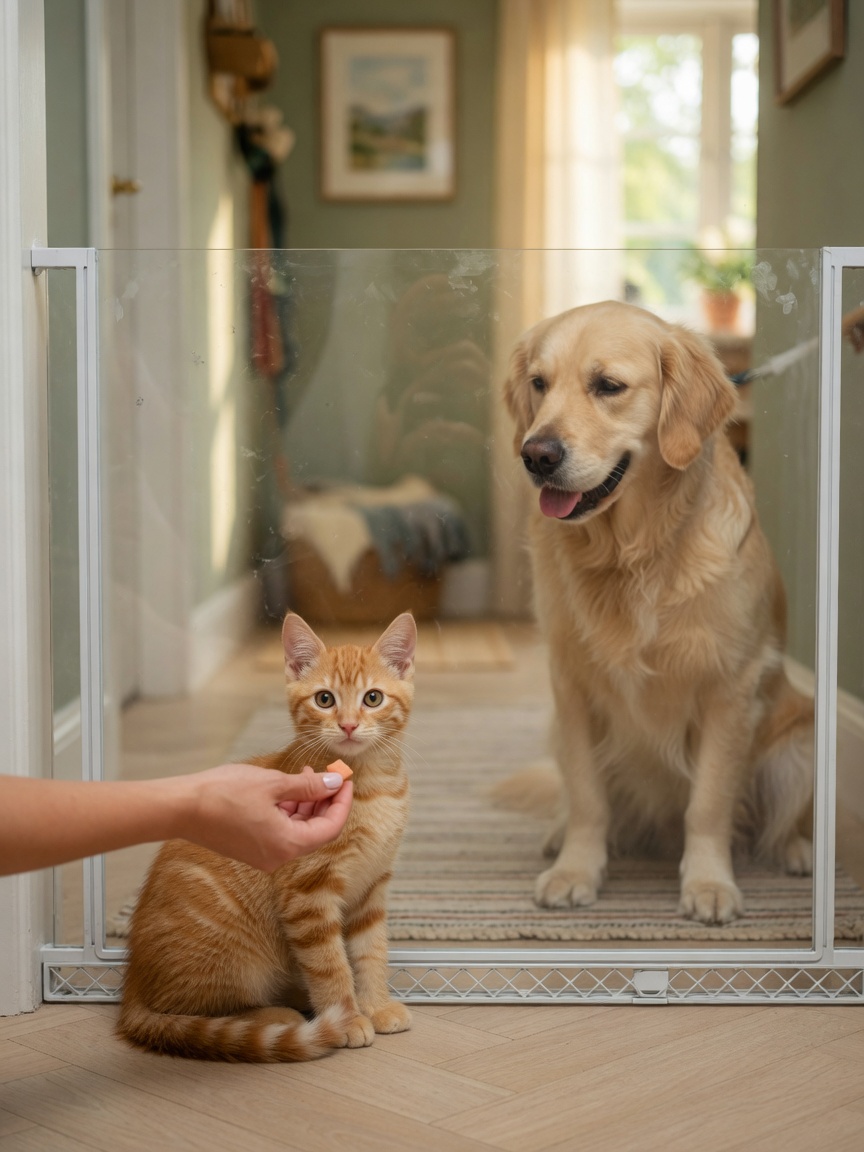
If you have other pets or plan to introduce your kitten to animals in the future, early exposure is beneficial. Introduce your kitten to other cats or dogs in a controlled manner:
- Keep initial meetings short and supervised
- Ensure your kitten has an escape route and safe space
- Use scent swapping before face-to-face introductions
- Reward calm, friendly behaviour from all animals involved
- Separate animals if signs of stress or aggression appear
Kittens exposed to other animals during their socialisation window typically develop more tolerant, social behaviour as adults.
When to Seek Professional Help
If your kitten displays signs of extreme fear, aggression, or anxiety despite your socialisation efforts, consult your veterinary surgeon. Some behavioural issues may require guidance from a certified feline behaviourist. Early intervention is always more effective than attempting to address problems once behavioural patterns have become established.
Key Takeaways for Kitten Socialisation
Successful kitten socialisation doesn't require complicated techniques—it simply requires consistency, patience, and positive experiences. Expose your kitten to a variety of people, environments, and stimuli during their critical developmental period. Keep sessions short and stress-free, always allowing your kitten to set the pace. By investing time in proper socialisation now, you're giving your kitten the gift of confidence and adaptability that will benefit them throughout their entire life. Every positive interaction builds a foundation for a well-adjusted, friendly companion.