
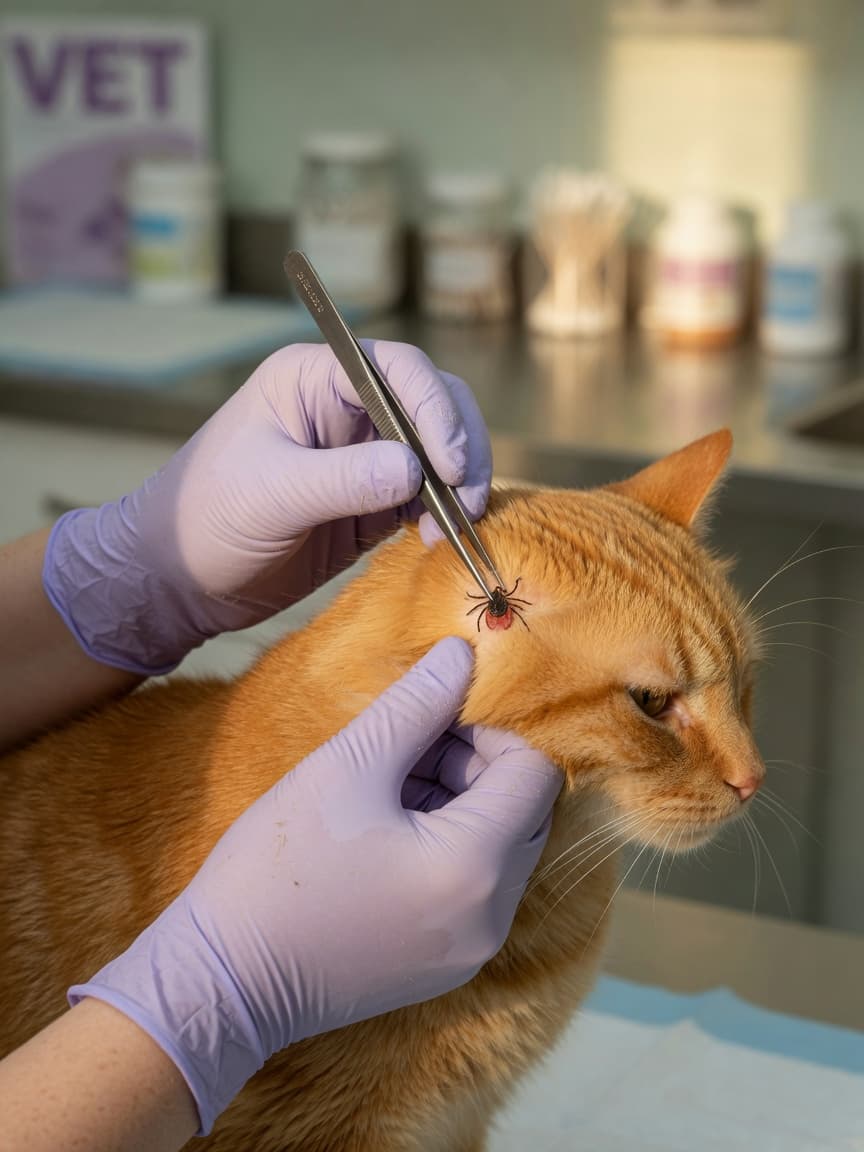
Finding a tick on your beloved cat can be unsettling, but knowing how to remove it safely and effectively will give you confidence and protect your pet's health. Ticks not only cause discomfort; they can transmit serious diseases such as Lyme disease and babesiosis. Whether you're using tweezers or a specialised tick-removing tool, this guide will walk you through the process step-by-step, ensuring you remove the tick properly and minimise the risk of infection.
Why Proper Tick Removal Matters
Removing a tick correctly is crucial because improper techniques can leave the tick's head embedded in your cat's skin or cause the tick to regurgitate infected saliva into the wound. This increases the risk of disease transmission. The key is to remove the entire tick, including the mouthparts, without crushing it or causing unnecessary stress to your cat.
What You'll Need
- Fine-tipped tweezers or a commercial tick-removing tool (such as a tick hook or tick key)
- Clean cotton wool or a disposable cloth
- Rubbing alcohol or antiseptic solution
- A container with a lid (for the tick)
- Gloves (optional but recommended)
- A treat to reward your cat after removal
Step-by-Step Removal Process
Using Tweezers
- Locate and examine the tick: Part your cat's fur carefully to see the tick clearly. Note its size and colour, as this helps identify the species later if needed.
- Grasp firmly at the head: Using fine-tipped tweezers, grip the tick as close to the skin as possible, targeting the head and mouthparts rather than the body. Avoid squeezing the abdomen, as this can force infected material into your cat.
- Pull straight upwards: Apply steady, gentle pressure and pull the tick directly away from the skin in one smooth motion. This usually takes 10-15 seconds. Don't twist, jerk, or rock the tweezers side to side.
- Inspect for completeness: Once removed, check that the entire tick has come away, including the head. If the head remains embedded, use the tweezers to carefully remove any visible mouthparts.
Using a Tick-Removing Tool
Tick-removing tools are often easier for anxious owners. These devices have a notch that slides under the tick's body. Push the tool gently against your cat's skin, hook the tick, and pull upwards steadily. The mechanical advantage makes it harder to accidentally crush the tick.
After Removal: Cleaning and Disposal
Once the tick is removed, clean the bite area with rubbing alcohol or an antiseptic solution. Wipe away any blood with clean cotton wool. Never crush the tick with your fingers; instead, place it in a sealed container with alcohol or seal it in a bag. If your cat shows signs of infection—such as redness, swelling, or discharge—contact your veterinarian.
Prevention is Better Than Cure
Whilst knowing how to remove ticks is essential, prevention is far more effective. Ask your veterinarian about tick prevention treatments suitable for your cat. Regular grooming and checking your cat's skin, especially after outdoor time, helps you spot ticks early when they're easier to remove.
Key Takeaways
- Always grasp the tick's head, not the body, to avoid leaving mouthparts behind
- Pull straight upwards with steady, gentle pressure—never twist or jerk
- Use tweezers or a commercial tick-removing tool for best results
- Disinfect the bite area and dispose of the tick safely
- Implement year-round tick prevention with your veterinarian's guidance