
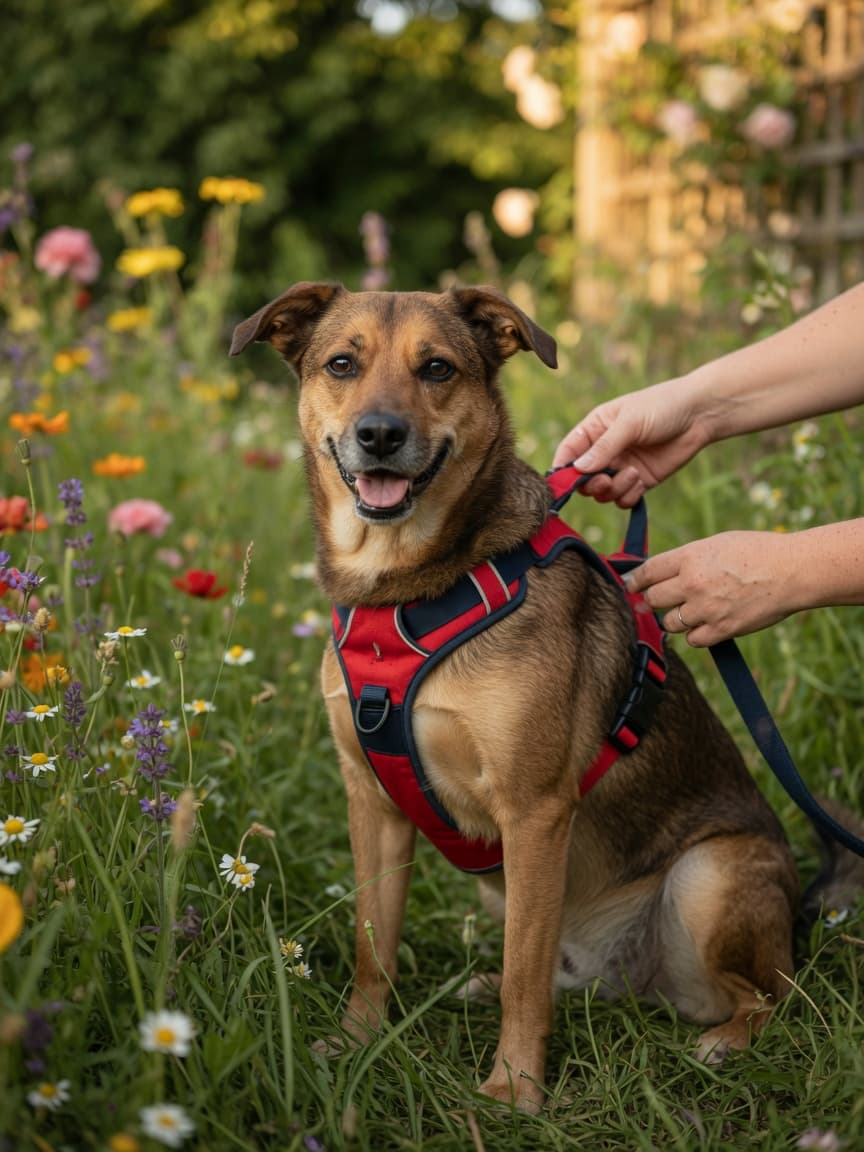
Getting your dog into a harness doesn't have to be a wrestling match. Whether you're preparing for a walk, a trip to the vet, or simply want better control during outdoor adventures, mastering harness application is an essential skill for every dog owner. A properly fitted harness is not only safer for your pet than a traditional collar, but it also distributes pressure more evenly across the chest and back, reducing strain on the neck and throat. In this guide, we'll walk you through the process step by step, helping you and your furry friend make harness time stress-free and positive.
Choosing the Right Harness for Your Dog
Before you can put on a harness, you need to select the right one for your dog's size, breed, and temperament. There are several types available:
- Back-clip harnesses: Ideal for most dogs, these distribute pressure across the back and are comfortable for daily wear.
- Front-clip harnesses: Excellent for dogs that pull, as they gently redirect your dog toward you when they lunge.
- Step-in harnesses: Perfect for small breeds or dogs with anxiety, as they require minimal handling during application.
- No-pull harnesses: Specifically designed for strong pullers, these provide maximum control.
Always measure your dog's chest and neck according to the manufacturer's guidelines to ensure a snug, comfortable fit. You should be able to fit two fingers between the harness and your dog's body.
Preparing Your Dog for Harness Time
A positive introduction is crucial. If your dog has never worn a harness before, allow them to investigate it first. Let them sniff and explore the equipment without pressure. Consider applying a small amount of peanut butter or a favourite treat to the harness to create positive associations. Spend a few days simply placing the harness near your dog during feeding time or playtime before attempting to put it on.
Choose a calm moment for application—not when your dog is overexcited or anxious. A relaxed dog is far more cooperative during the process.
Step-by-Step Application Guide
Follow these simple steps to put on a back-clip harness correctly:
- Hold the harness open: Ensure you understand which end goes over the head and which goes around the body.
- Position near your dog: Have your dog stand or sit in front of you at a comfortable height.
- Guide the head through: Gently lift the front of the harness and slide your dog's head through the neck opening. Reward with praise and treats.
- Secure the chest strap: Lift your dog's front leg and thread it through the front chest loop, then repeat with the other front leg.
- Fasten all clips or buckles: Secure all attachment points according to your harness design, ensuring nothing is twisted.
- Check the fit: Run your fingers around the harness to confirm it sits properly and snugly without restricting movement.
Common Mistakes to Avoid
Many pet parents inadvertently make harness application more difficult than it needs to be. Avoid these common pitfalls:
- Forcing the harness on too quickly without positive conditioning
- Applying the harness too tightly, which can cause discomfort and anxiety
- Twisting straps or buckles that restrict movement
- Putting the harness on during moments of excitement or distress
Making It a Positive Experience
Patience is key. If your dog resists, take a step back and reinforce positive associations. Never punish or force your dog into the harness. Instead, use high-value treats, verbal praise, and short practice sessions. Some dogs adapt in days; others may take weeks. This individual timeline is completely normal and healthy.
Key Takeaways
Putting on a harness becomes second nature with practice and consistency. Remember to choose the appropriate harness type for your dog's needs, take time for positive conditioning, and apply it calmly and correctly. A well-fitted harness provides comfort and safety for your beloved pet during every adventure. With patience and the right approach, you and your dog will master this essential skill together.