
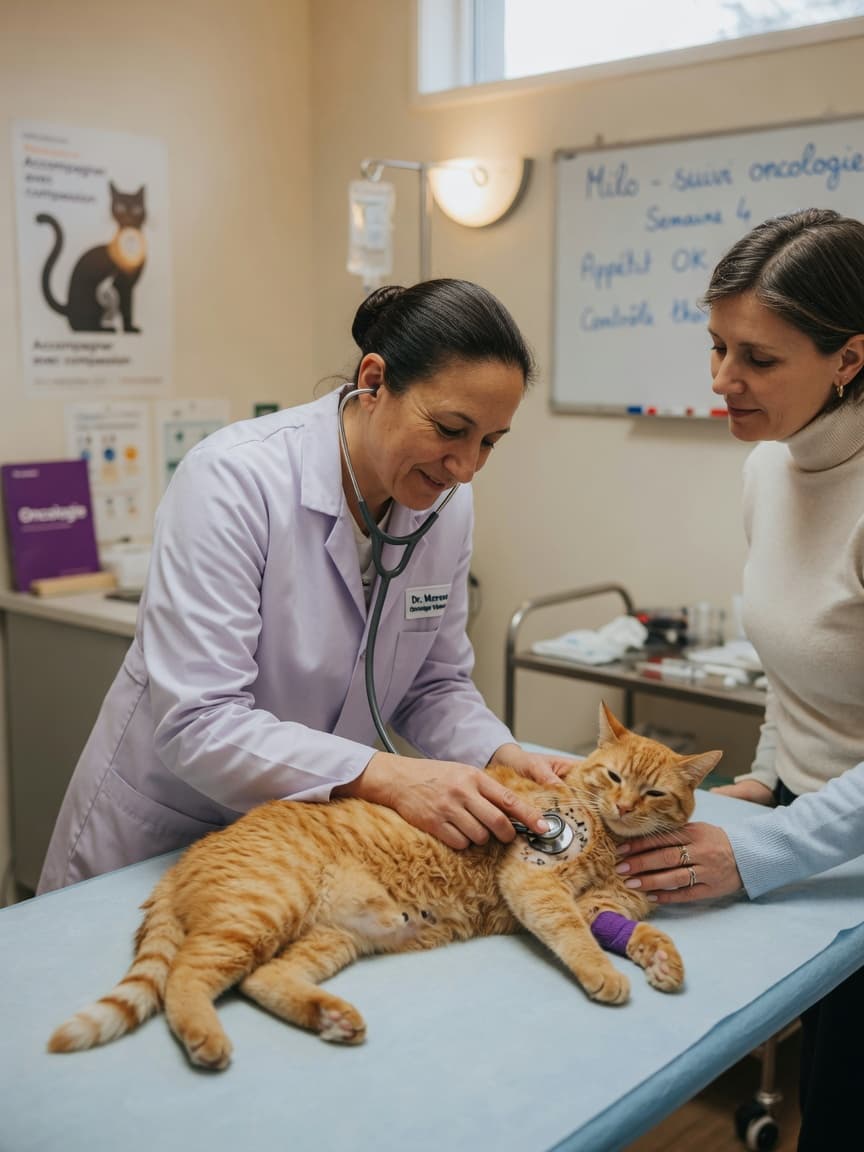
A cancer diagnosis can feel overwhelming for any cat owner, but understanding the treatment options available and what to expect during your cat's recovery journey can help you make informed decisions about their care. This final section of our comprehensive guide explores the practical aspects of managing feline cancer, from weighing your options to supporting your beloved companion through their treatment and beyond.
Understanding Your Treatment Options
When your veterinarian confirms a cancer diagnosis, several treatment pathways may be available depending on the type, stage, and location of the tumour. Your vet will discuss each option's potential benefits and limitations, helping you choose what suits your cat's individual circumstances and your family's wishes.
- Surgery: Often the most effective option when tumours can be completely removed. Recovery varies depending on the extent of the procedure.
- Chemotherapy: Uses medications to target cancer cells throughout the body. Cats typically tolerate this better than humans, with fewer severe side effects.
- Radiation therapy: Focuses high-energy beams on specific tumour sites. This requires referral to specialist centres and multiple appointments.
- Palliative care: Focuses on comfort and quality of life when curative treatment isn't possible or chosen.
Managing Side Effects and Comfort
Most cats undergoing cancer treatment experience manageable side effects. Pain management is paramount, and modern analgesics—including paracetamol alternatives, non-steroidal anti-inflammatories, and opioids—can significantly improve your cat's quality of life. Your veterinarian will recommend appropriate options based on your cat's specific situation.
Nutritional support is equally important. Cancer cachexia (wasting) is common, so offering high-protein, palatable foods often helps. Some cats benefit from appetite stimulants or feeding tubes if eating becomes difficult. Never hesitate to discuss nutritional strategies with your vet or a veterinary nutritionist.
Supporting Your Cat at Home
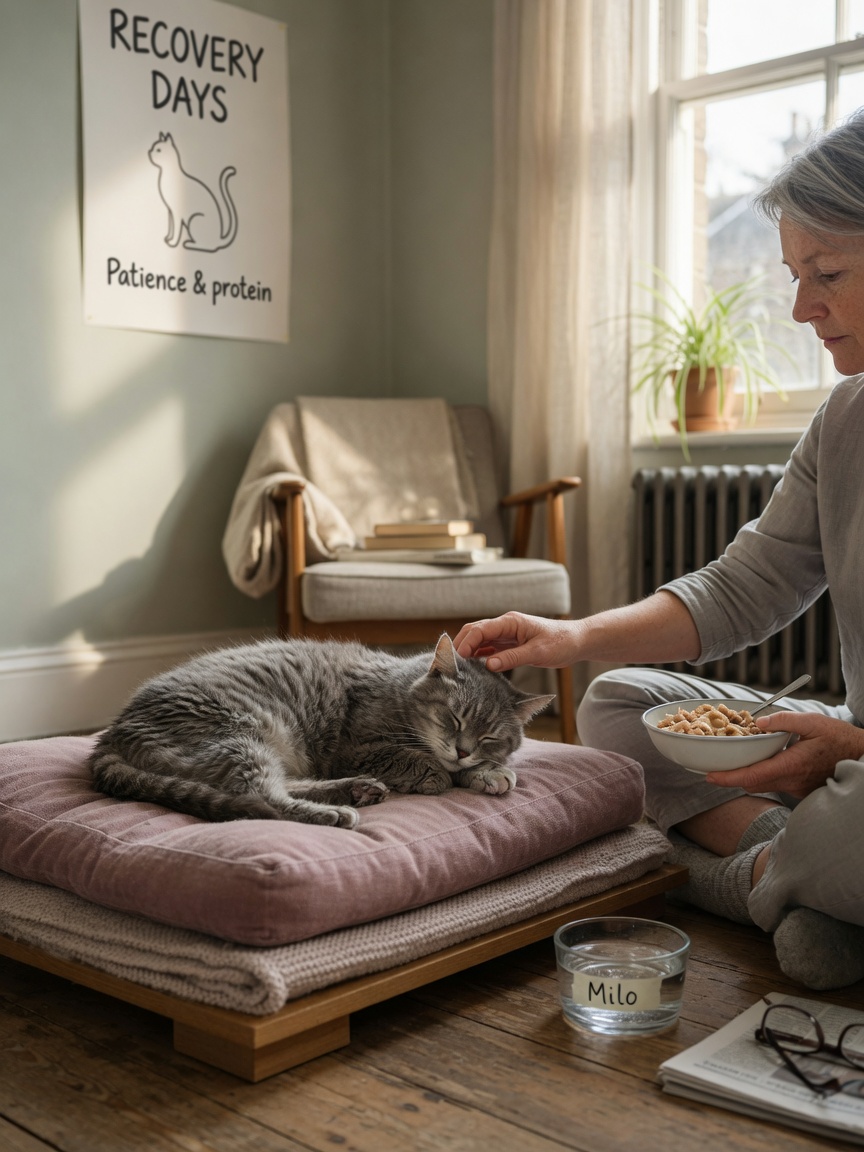
Creating a supportive home environment makes a genuine difference in your cat's wellbeing during treatment:
- Establish a quiet, comfortable resting area away from household commotion
- Maintain consistent routines to reduce stress and anxiety
- Provide easily accessible food, water, and litter trays at ground level
- Monitor bathroom habits and report changes to your vet promptly
- Maintain gentle interaction and play according to your cat's energy levels
- Keep appointment schedules consistent for blood tests and monitoring
Quality of Life Considerations
Throughout treatment, regularly assess your cat's quality of life. Ask yourself: Is your cat eating and drinking reasonably well? Do they have moments of contentment? Are pain levels controlled? Your veterinarian can provide objective guidance using quality-of-life scales, but ultimately, you know your cat best.
Some cats respond remarkably well to treatment and enjoy extended, comfortable lives. Others may have shorter remission periods. Both outcomes deserve compassionate, individualised care focused on your cat's wellbeing rather than pursuing treatment at any cost.
When to Consider Palliative or End-of-Life Care
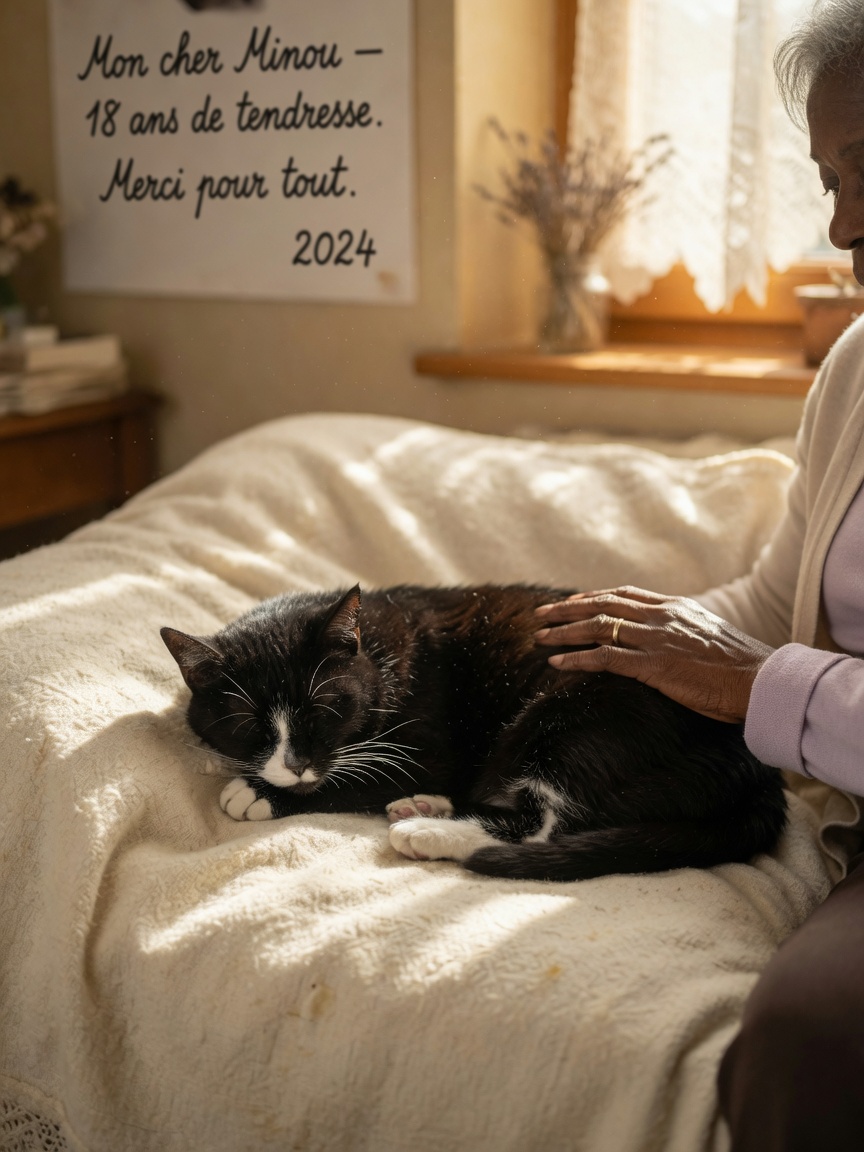
If your cat's condition deteriorates despite treatment, or if treatment options are limited, palliative care becomes the priority. This approach emphasises comfort, dignity, and quality time together. Many vets now offer home visits for euthanasia, allowing your cat to pass peacefully in familiar surroundings surrounded by loved ones.
Key Takeaways
Managing feline cancer requires collaboration between you, your veterinarian, and potentially specialist oncologists. Focus on understanding realistic outcomes, maintaining your cat's comfort, and making decisions aligned with your cat's needs and your family's values. Remember that seeking a second opinion is always reasonable, and that prioritising quality of life—whether that means pursuing aggressive treatment or choosing comfort-focused care—demonstrates genuine love for your feline companion.