
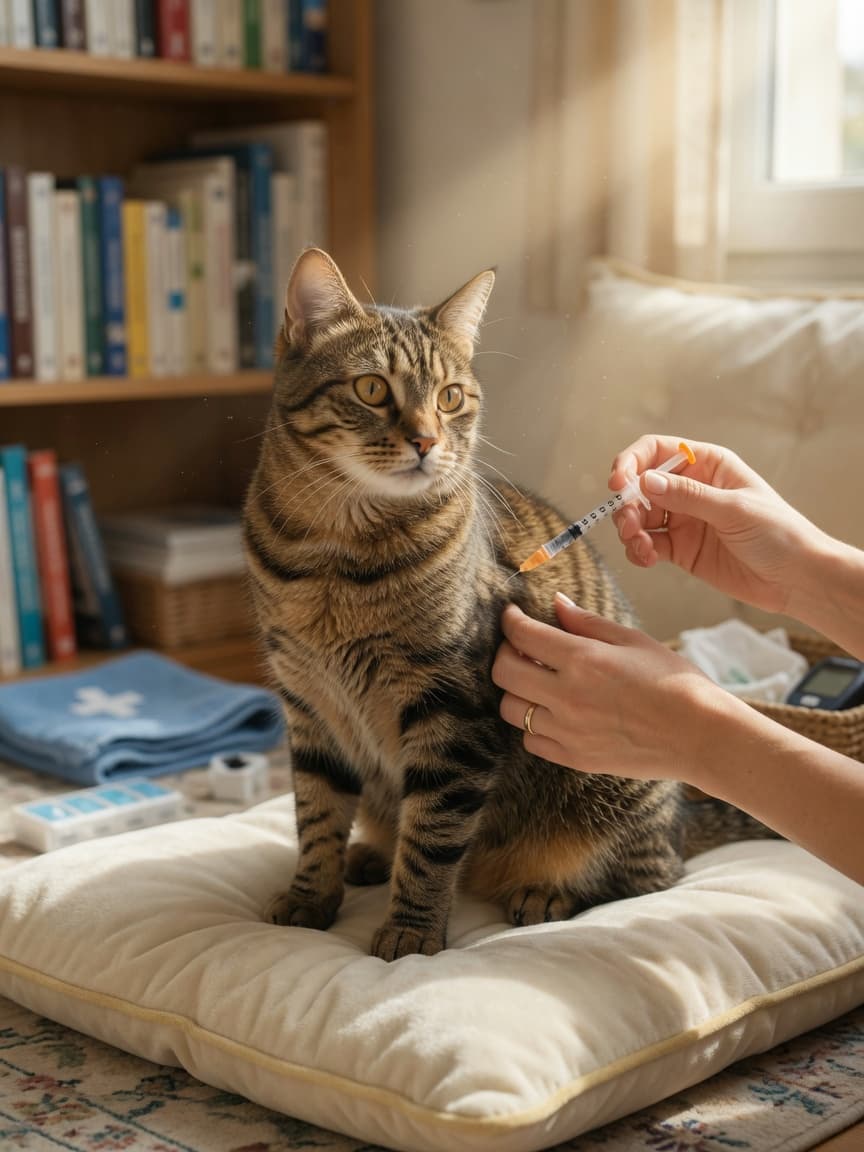
Adopting a cat with diabetes might seem daunting, but thousands of diabetic cats live wonderfully fulfilling lives with devoted owners who understand their condition. Feline diabetes is manageable, and many cats even achieve remission with proper care. If you're considering welcoming a diabetic cat into your home, this guide will help you understand what's involved and how to provide excellent care for your new companion.
Understanding Feline Diabetes
Diabetes in cats typically occurs when their pancreas cannot produce sufficient insulin or their body becomes resistant to it. Type 2 diabetes, the most common form in cats, often develops in overweight, older cats but can affect any feline.
The good news? Unlike in humans, diabetes in cats can go into remission. With appropriate diet, weight management, and sometimes insulin therapy, many cats return to normal blood glucose levels and no longer require medication.
What Your Diabetic Cat Needs Daily
Caring for a diabetic cat involves several daily commitments:
- Insulin injections: Most diabetic cats require twice-daily subcutaneous insulin injections. Whilst this sounds intimidating, many owners find the small needles and simple technique manageable after initial training from their vet.
- Blood glucose monitoring: Your vet will recommend testing schedules, typically through blood samples taken at the surgery or occasionally at home using feline glucose meters.
- Dietary management: A high-protein, low-carbohydrate diet is essential. Many vets recommend prescription diets specifically formulated for diabetic cats, though some owners have success with premium wet foods containing minimal carbohydrates.
- Regular check-ups: Frequent veterinary visits ensure your cat's insulin doses remain appropriate and monitor for diabetes remission.
The Financial Commitment
Before adopting, understand the ongoing costs involved. Monthly expenses typically include insulin (£30-60), syringes and lancets (£10-20), prescription food (£40-80), and regular veterinary check-ups (£50-150). Initial diagnostics and monitoring may cost more, but many animal charities and rescue organisations provide financial support for adopted cats with pre-existing conditions.
Creating the Right Home Environment
Help your diabetic cat thrive by establishing a supportive environment:
- Maintain a consistent routine with insulin injections at the same times daily
- Provide multiple, easily accessible litter trays, as diabetic cats may urinate more frequently
- Ensure fresh water is always available
- Create a calm, stress-free space—stress can affect blood glucose levels
- Use elevated food and water bowls to reduce strain
- Encourage gentle play and activity to support healthy weight management
Recognising When to Seek Help
Contact your vet immediately if you notice increased thirst or urination, lethargy, vomiting, or sweet-smelling breath. These may indicate poorly controlled diabetes or other complications requiring prompt intervention.
The Rewarding Journey Ahead
Adopting a diabetic cat is an act of compassion that changes two lives. Many owners report that managing their cat's condition becomes second nature, and the bond formed through daily care is exceptionally meaningful. With your commitment to proper nutrition, consistent insulin administration, and regular veterinary monitoring, your diabetic cat can enjoy years of comfort, companionship, and potentially, remission from their condition.
Remember: a diabetes diagnosis is not a death sentence—it's simply a new chapter requiring knowledge, dedication, and love.