
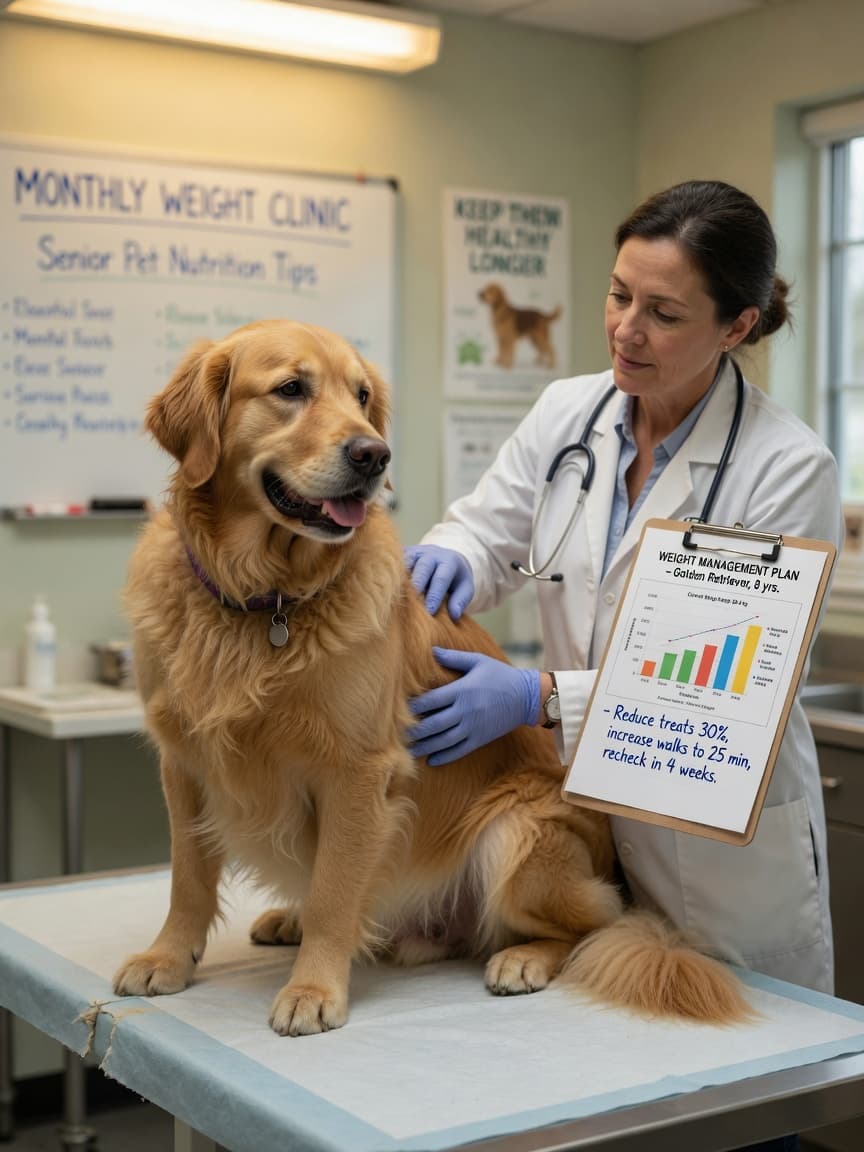
Watching your beloved dog struggle with extra weight is heartbreaking. Overweight and obese dogs face increased risks of diabetes, joint problems, heart disease, and reduced lifespan. The good news? With commitment, patience, and the right approach, you can help your furry friend achieve a healthier weight and enjoy more active, comfortable years together. This guide outlines ten evidence-based strategies to support successful canine weight management.
1. Get a Veterinary Assessment First
Before making any dietary changes, schedule a consultation with your veterinary surgeon. They'll assess your dog's current body condition, rule out underlying health issues (such as thyroid problems or Cushing's disease), and determine an appropriate target weight. Your vet may also recommend a specific calorie reduction plan tailored to your dog's age, breed, and lifestyle.
2. Measure Food Portions Accurately
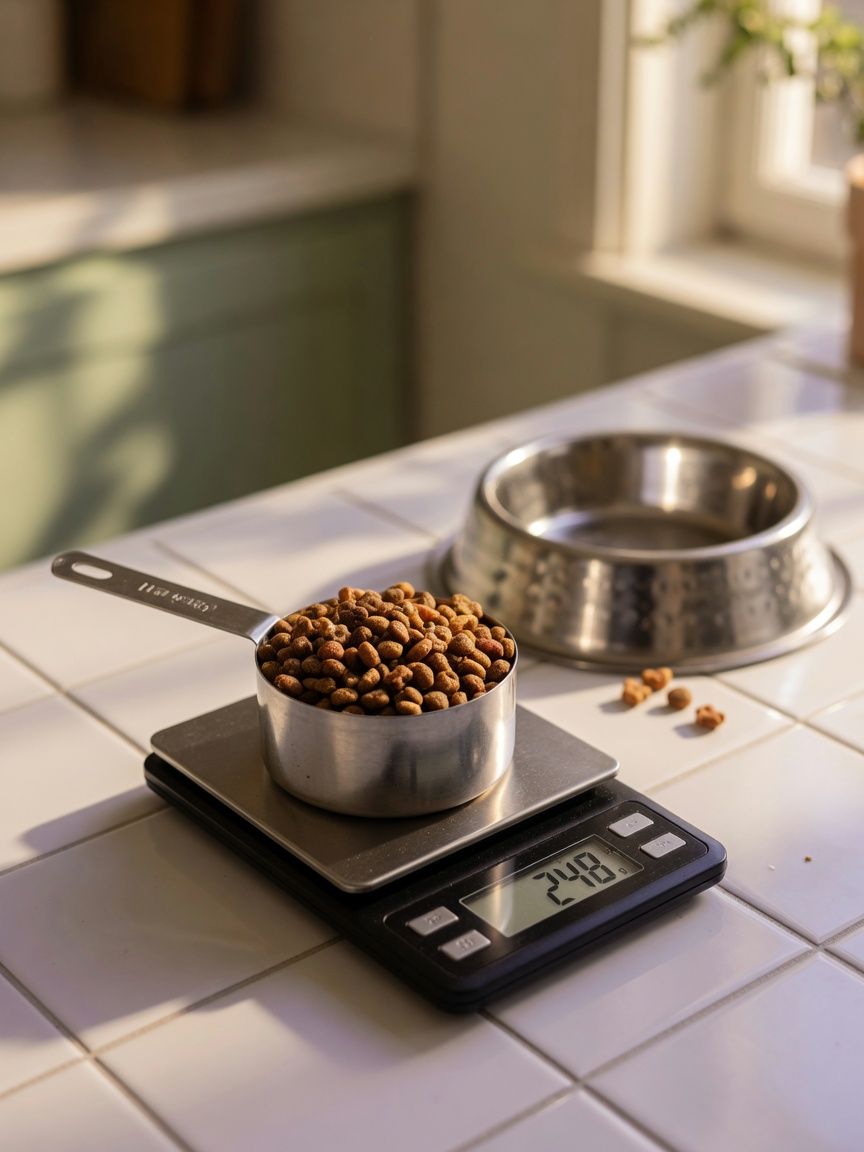
One of the most common weight management mistakes is free-feeding or eyeballing portions. Use a kitchen scale or measuring cup to portion your dog's meals precisely. Most overweight dogs consume 20-30% more calories than needed. Your vet will recommend a specific daily calorie allowance; stick to it religiously.
3. Switch to a Weight Management Formula
Weight management dog foods are specially formulated with higher protein and fibre content to keep your dog feeling fuller longer whilst being lower in calories. These foods support muscle maintenance during weight loss, which is crucial for metabolic health. Ask your vet about prescription or premium weight management diets.
4-6. The Remaining Strategic Approaches
- Eliminate High-Calorie Treats and Table Scraps: Treats should comprise no more than 10% of daily calories. Replace high-calorie biscuits with low-calorie alternatives like carrot sticks, green beans, or air-popped popcorn (unsalted and unbuttered). Never feed table scraps, which often contain excess fat and sodium.
- Increase Exercise Gradually: More physical activity burns calories and supports muscle tone. Start with gentle walks and gradually increase duration and intensity based on your dog's fitness level. Aim for at least 30 minutes of moderate activity daily, adjusted for your dog's age and health status. Swimming is excellent for overweight dogs as it's easy on joints.
- Implement Slow Feeding Techniques: Dogs who eat too quickly consume excess calories before satiety signals register in their brain. Use slow-feeder bowls, puzzle feeders, or scatter food across a mat to encourage deliberate eating and mental stimulation.
7-10. Additional Weight Loss Essentials
- Track Progress Consistently: Weigh your dog monthly and keep records. Take photos for visual comparison. Most dogs lose weight gradually—expect 1-2% of body weight weekly for healthy, sustainable results.
- Involve All Household Members: Family consistency is essential. Ensure everyone follows the same feeding guidelines and avoids sneaking treats. A sympathetic spouse or child can undermine your efforts!
- Consider Interactive Feeding: Use treat-dispensing toys or kongs to extend feeding time and provide mental enrichment. This satisfies your dog's natural foraging instincts whilst reducing overall calorie intake.
- Monitor for Medical Complications: Watch for signs of nutritional deficiency or energy loss. Adjust your plan if your dog becomes lethargic, shows a dull coat, or develops other concerning symptoms. Regular vet check-ins (every 4-6 weeks) help ensure your dog is losing weight safely.
Key Takeaways for Successful Dog Weight Management
Successful canine weight loss requires a multifaceted approach combining precise calorie control, appropriate exercise, and family commitment. There's no quick fix—sustainable weight loss takes three to six months or longer depending on how much weight your dog needs to lose. Partner closely with your veterinary surgeon throughout the process, celebrate small milestones, and remember that helping your dog achieve a healthy weight is one of the greatest gifts you can offer. Your dedication today will reward you with years of healthier, happier adventures together.
```