
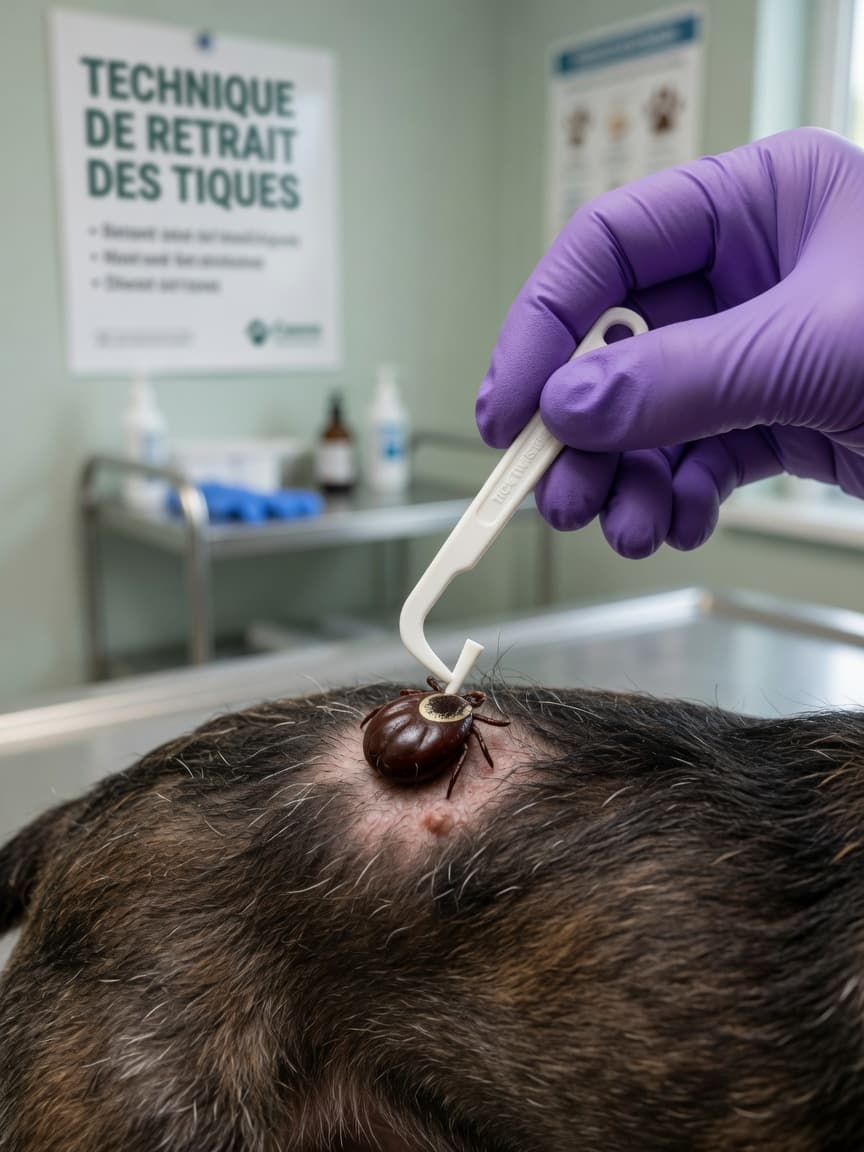
The Tick Behind the Disease
Lyme disease is a bacterial infection caused by Borrelia burgdorferi, transmitted to dogs — and humans — through the bite of infected ticks. In the UK, the primary vector is Ixodes ricinus, commonly known as the sheep tick or castor bean tick. These tiny arachnids are found throughout the UK but are particularly prevalent in woodland, moorland, and long grassland habitats. Tick numbers have been increasing in recent years, partly due to milder winters and the expansion of deer populations, making Lyme disease an increasingly relevant concern for dog owners.
Not every tick carries Borrelia, and not every bite from an infected tick results in disease. The tick generally needs to be attached for 24 to 48 hours before transmission becomes likely, which is why prompt and regular tick checks are so important.
Recognising Lyme Disease in Dogs
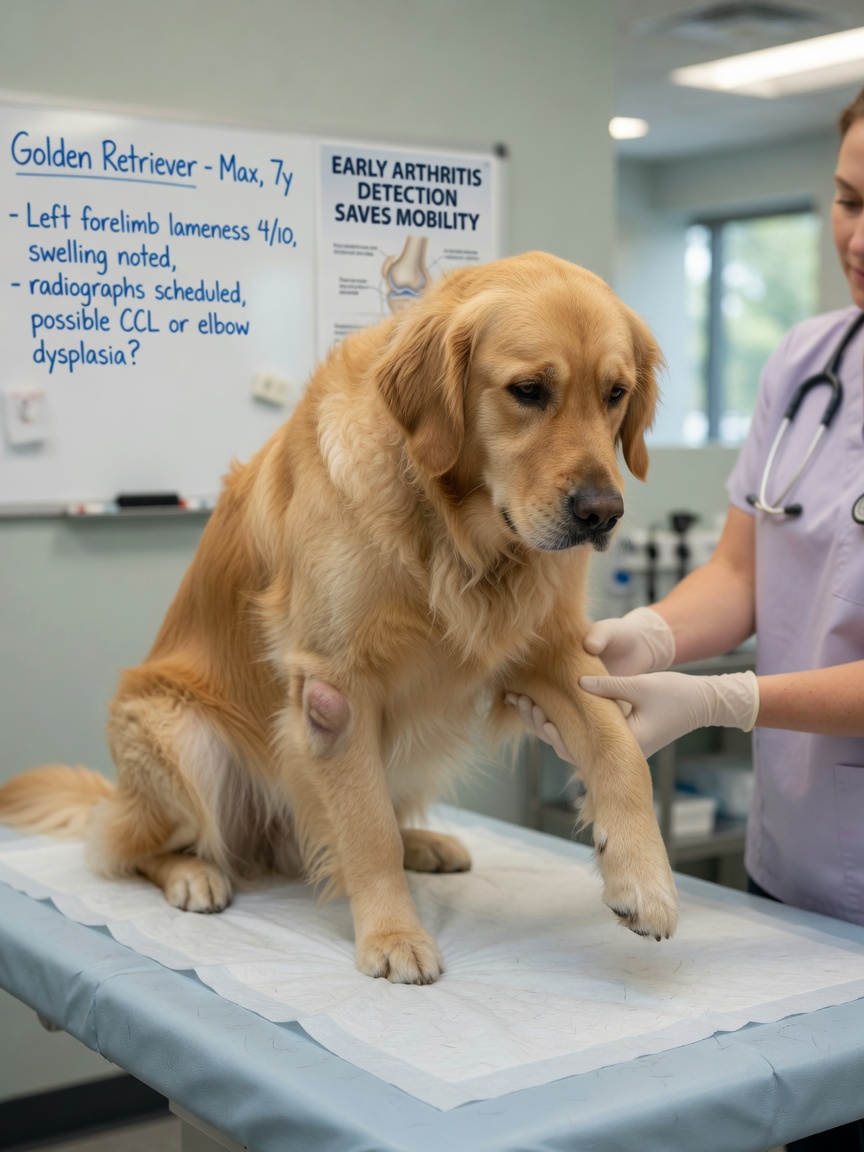
One of the challenges of Lyme disease is that the majority of infected dogs never develop clinical signs. When illness does occur, symptoms can be vague and mimic many other conditions, which can delay diagnosis. The most commonly reported signs include:
- Lameness, often shifting between legs, which may come and go over days or weeks
- Joint swelling and pain
- Lethargy and reduced appetite
- Fever
- Swollen lymph nodes
The classic circular "bull's-eye" rash seen in humans is rarely observed in dogs due to their coat. A more serious complication, Lyme nephritis — a protein-losing kidney disease — can develop in a small number of dogs, particularly Golden Retrievers and Labrador Retrievers, and carries a guarded prognosis. Signs of kidney involvement include vomiting, weight loss, increased thirst and urination, and fluid accumulation in the abdomen.
Testing and Diagnosis
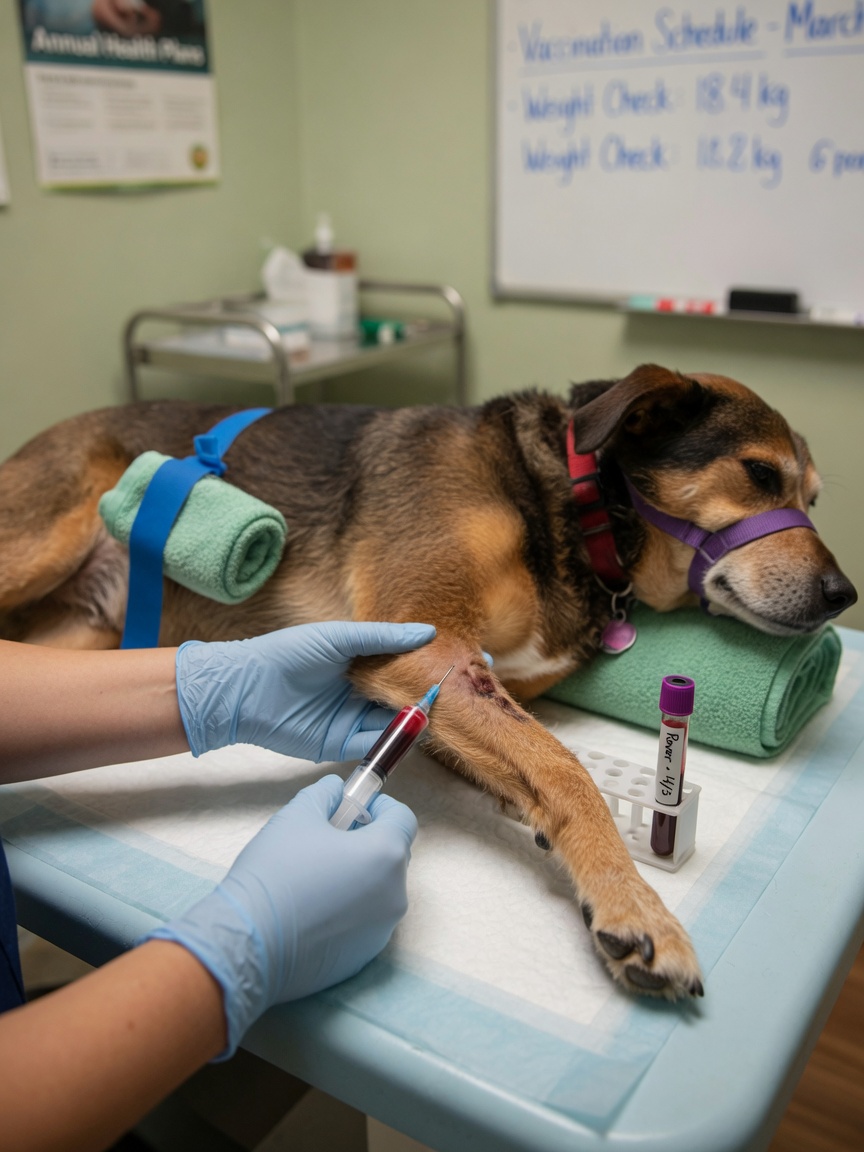
Diagnosis is based on a combination of clinical signs, history of tick exposure, and serological testing. The most common initial test is an in-clinic point-of-care assay that detects antibodies to specific Borrelia proteins. A positive result indicates exposure but does not always mean the dog is actively ill from the infection.
Quantitative C6 antibody testing provides a numerical level that can be used to monitor response to treatment. Full blood count, biochemistry, and urinalysis should also be performed to assess for kidney involvement and rule out other conditions. In dogs with suspected Lyme nephritis, urine protein-to-creatinine ratio testing is essential.
It is worth noting that antibodies can persist in the bloodstream for months to years after infection or vaccination, so a positive test must always be interpreted in the context of clinical signs and history.
Treatment Options
Dogs diagnosed with clinical Lyme disease are typically treated with a course of doxycycline, an antibiotic given orally for four weeks. Most dogs show significant improvement within days of starting treatment. Amoxicillin is an alternative for dogs that cannot tolerate doxycycline.
Anti-inflammatory pain relief may be prescribed alongside antibiotics for dogs experiencing significant joint pain. Dogs with Lyme nephritis require more intensive management, often including a combination of antibiotics, immunosuppressive therapy, dietary modification, and supportive care for kidney function.
Even with successful antibiotic treatment, some dogs may carry residual antibodies for a prolonged period. Repeat quantitative C6 testing is often recommended three to six months post-treatment to assess whether levels are declining, which indicates a good response.
Tick Prevention: The Most Effective Strategy
Prevention is unquestionably preferable to treatment. A robust tick prevention programme for your dog should include:
- Year-round use of a veterinary-approved tick preventative. Options include spot-on treatments, oral chewable tablets, and tick collars. Products containing fluralaner, afoxolaner, sarolaner, or lotilaner kill ticks rapidly and have good evidence behind them.
- Thorough tick checks after every walk in high-risk areas. Run your fingers slowly through your dog's coat, paying particular attention to the head, ears, neck, groin, armpits, and between the toes.
- Prompt and correct tick removal using a tick hook or fine-tipped tweezers. Grasp the tick as close to the skin as possible and pull upward with steady, even pressure. Avoid twisting, crushing, or applying substances to the tick, as these methods can increase the risk of transmission.
Vaccination Against Lyme Disease
A Lyme disease vaccine is available in the UK and is worth discussing with your vet if your dog lives in or regularly visits high-risk areas such as the New Forest, Scottish Highlands, or Exmoor. The vaccine is used alongside, not instead of, tick prevention measures. Initial vaccination requires two doses given two to four weeks apart, followed by annual boosters.
For dogs with high tick exposure, combining vaccination with reliable tick prevention products offers the most comprehensive protection currently available. Speak to your vet about the most appropriate programme for your dog's lifestyle and the tick burden in your area.