
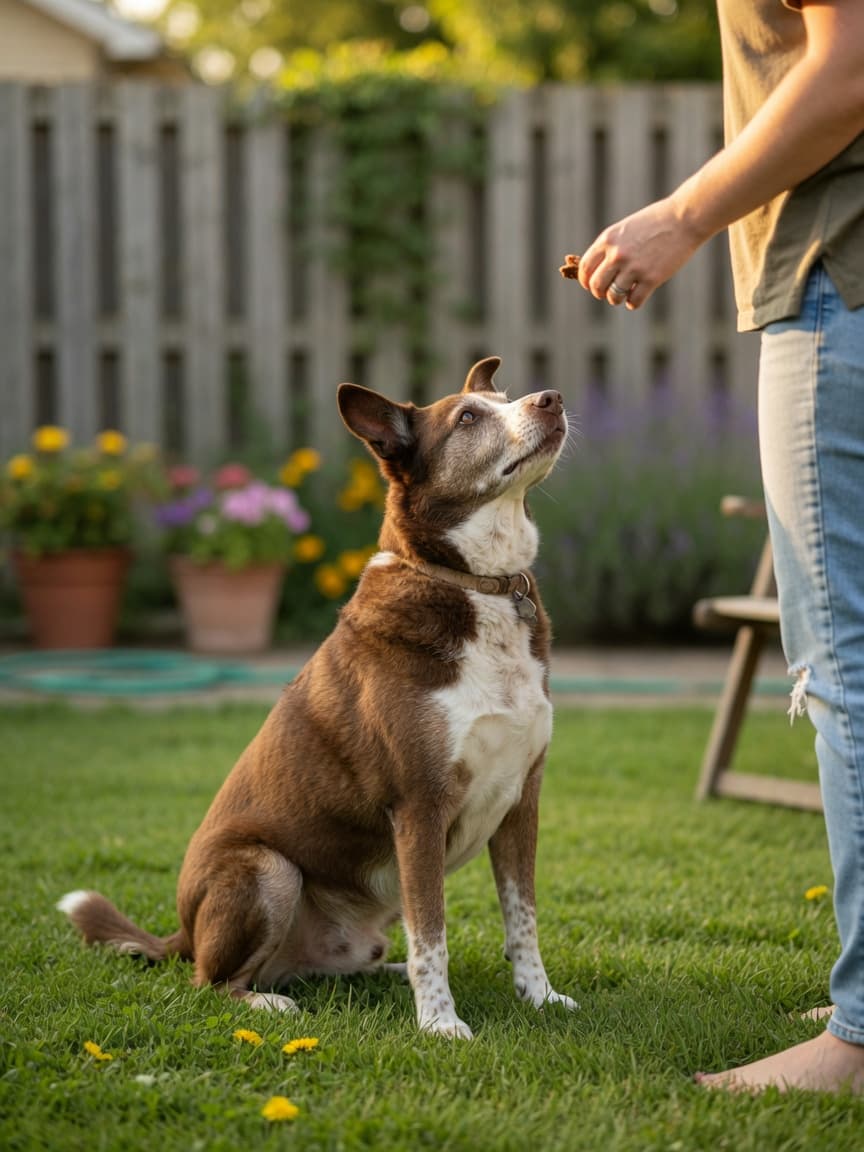
Adopting an adult dog is a wonderful experience, but it can come with unexpected challenges—particularly if your new companion hasn't been properly housetrained. Many pet owners assume that adult dogs should instinctively know where to toilet, but the reality is quite different. Whether your dog has spent time in a shelter, lived in an inappropriate environment, or simply never received proper training, potty training an adult dog is entirely achievable with patience, consistency, and the right approach. This guide will walk you through proven methods to help your mature canine friend learn household toilet etiquette.
Understanding Why Adult Dogs Need Retraining
Adult dogs may struggle with housetraining for various reasons. Some have never been taught proper toilet habits, whilst others may have developed anxiety or medical issues that affect bladder control. Before beginning any training programme, it's essential to rule out underlying health problems. Schedule a veterinary check-up to eliminate conditions like urinary tract infections, diabetes, or digestive issues that could interfere with housetraining success.
Establish a Consistent Routine
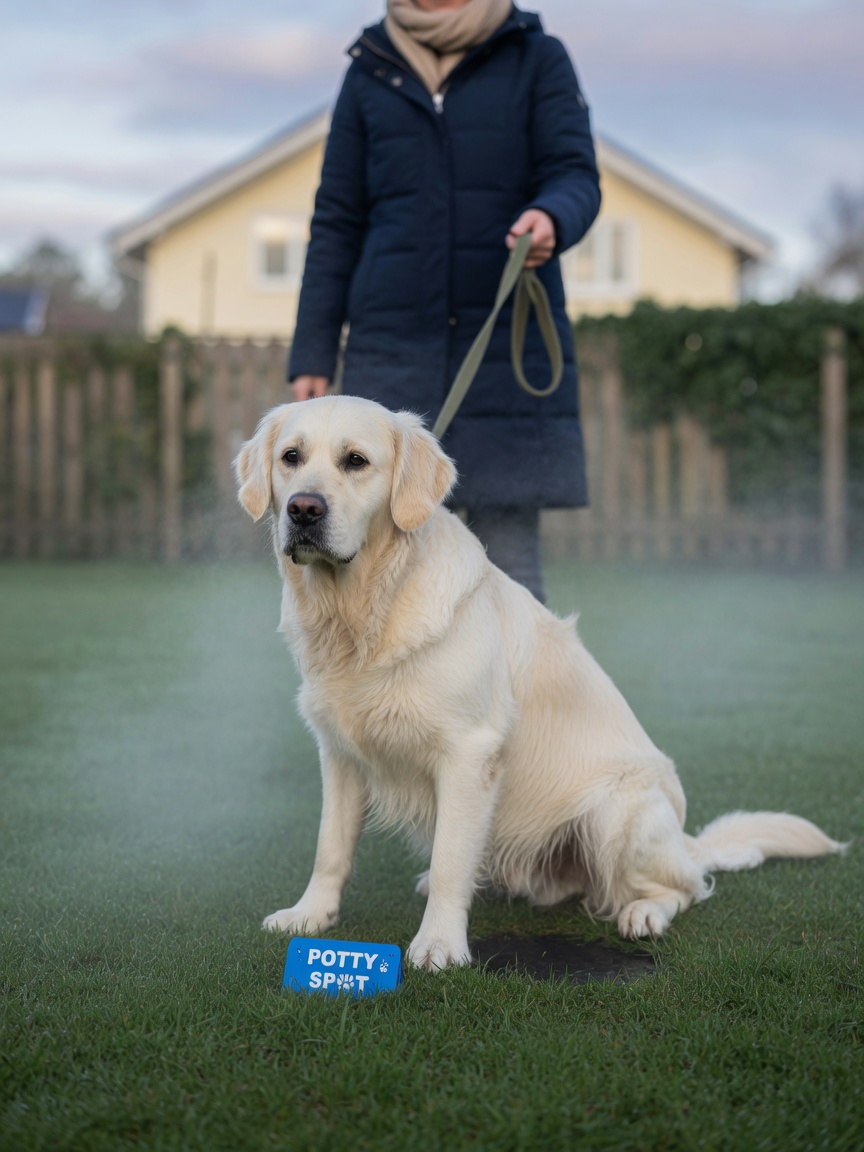
The foundation of successful adult dog potty training is establishing a predictable schedule. Dogs thrive on routine and are more likely to toilet at expected times when their environment is structured.
- Take your dog outside frequently: Aim for trips after meals, upon waking, before bedtime, and every 2-3 hours during the day. Most adult dogs can hold their bladder for 4-6 hours, but frequent outings accelerate training.
- Choose a designated toilet area: Always take your dog to the same spot outside. The familiar scent will trigger their toilet instinct.
- Use a command: Say "spend a penny" or "do your business" consistently when they're toileting. This creates a verbal association that helps them understand what's expected.
- Praise immediately: Reward success with enthusiastic praise and treats within seconds of completion. Timing is crucial—your dog must connect the behaviour with the reward.
Manage Your Dog's Environment
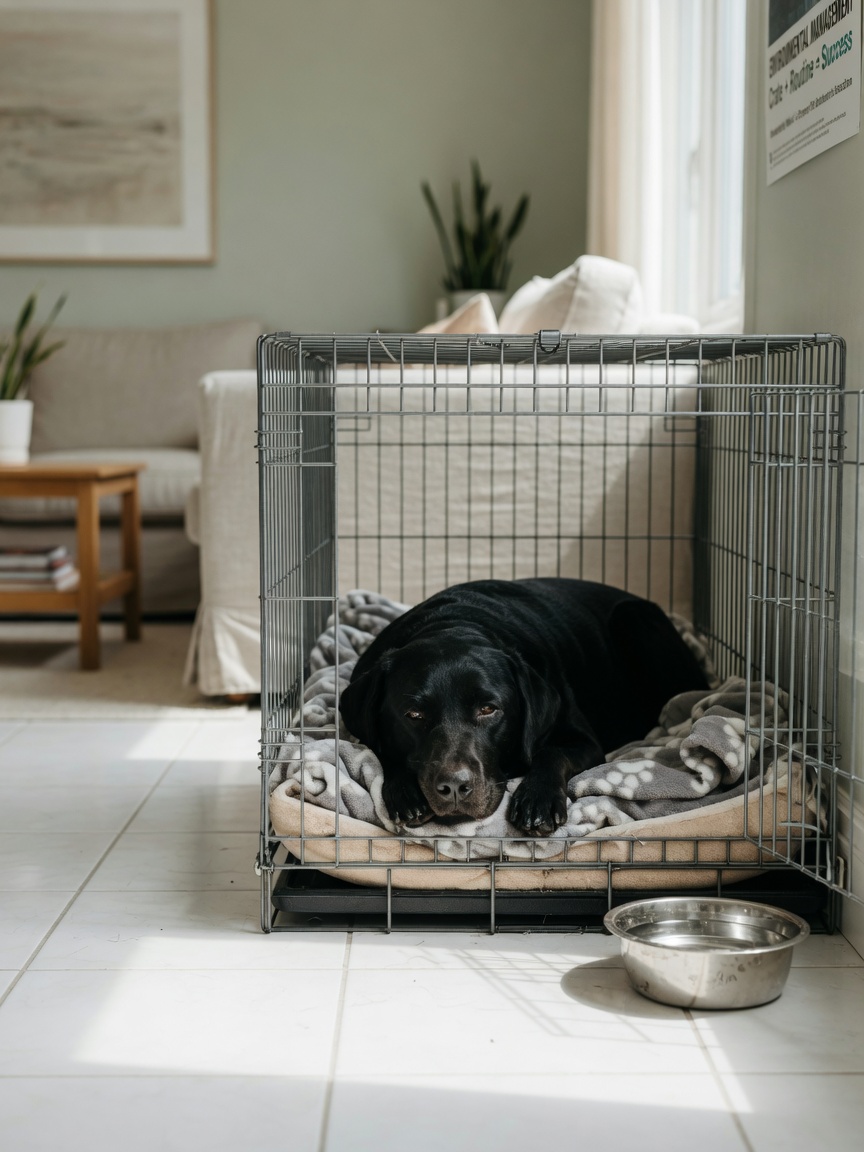
Until your dog is reliably housetrained, restrict their access to your home. Dogs are naturally reluctant to soil their sleeping area, so use this instinct to your advantage:
- Use a crate or confined space when you cannot supervise directly
- Keep your dog in rooms with washable flooring during initial training stages
- Close doors to prevent unsupervised wandering through the house
- Ensure your dog always has access to water, but monitor intake during evening hours
Handle Accidents Properly
Accidents will happen—this is normal and expected during retraining. Your response to these incidents significantly impacts training success. Never punish your dog for toileting indoors, as this creates fear and confusion rather than understanding. If you catch your dog in the act, interrupt calmly and immediately take them outside. Clean soiled areas thoroughly with enzymatic cleaners to remove scent markers that encourage repeated offences in the same spots.
Recognise Individual Differences
Adult dogs have different learning timelines. Whilst some progress within weeks, others may need 2-3 months of consistent training. Age, previous experience, and individual temperament all influence progress. Older dogs may have reduced bladder capacity, requiring more frequent outdoor breaks. Anxious dogs might toilet inappropriately when stressed. Remain patient and adjust your approach based on your dog's specific needs.
Key Takeaways
Successfully potty training an adult dog requires veterinary clearance, consistent routines, environmental management, and positive reinforcement. Establish a predictable schedule with frequent outdoor breaks, choose a designated toilet area, and reward successes immediately. Manage your dog's indoor access, handle accidents calmly, and maintain patience throughout the process. With dedication and compassion, your adult dog can become a reliably housetrained family member.