
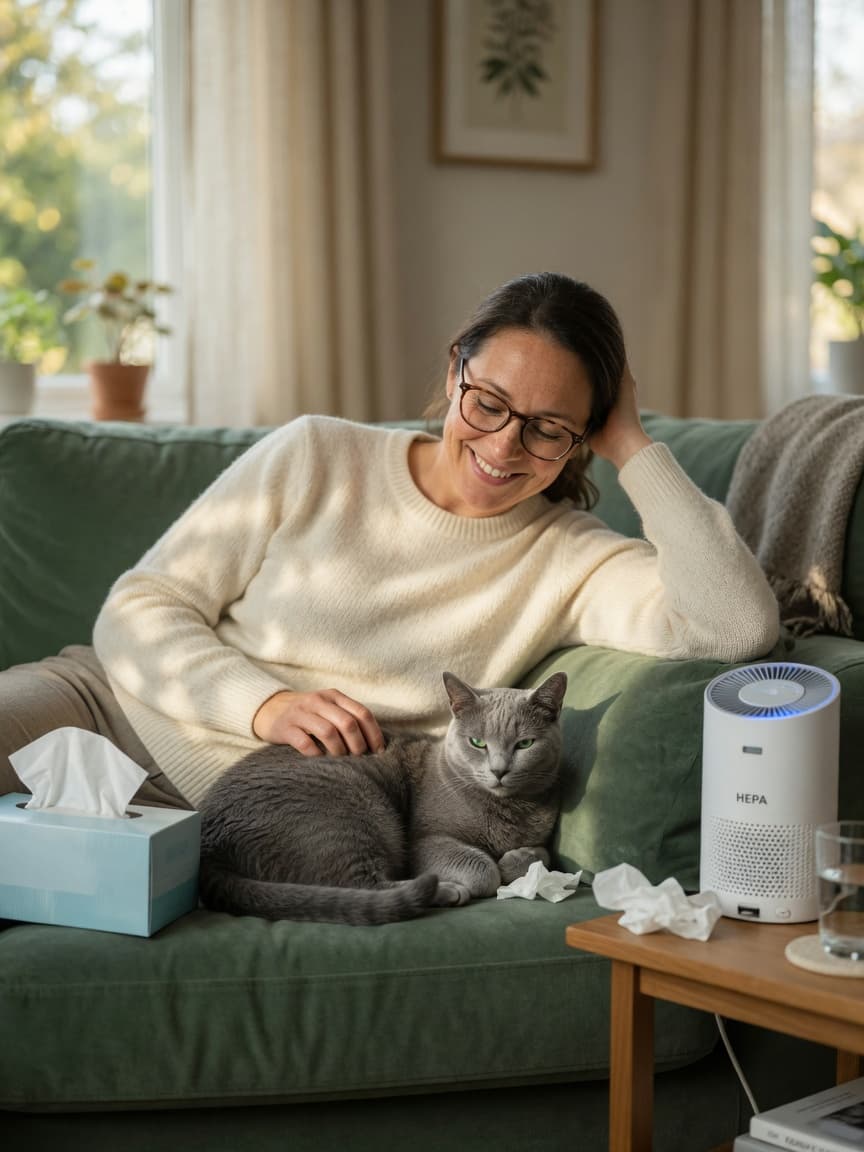
If you love cats but suffer from allergies, you've likely felt that heartbreak of having to choose between your feline dreams and your health. The good news? Having a cat with allergies is entirely possible with the right strategy and commitment. Cat allergies affect approximately 10% of the population in Europe, yet millions of allergy sufferers successfully share their homes with beloved cats. This comprehensive guide will help you navigate cat ownership whilst managing your allergic reactions effectively.
Understanding Cat Allergies
Cat allergies aren't typically caused by cat hair itself, but rather by proteins found in cat saliva, urine, and dander (dead skin cells). When cats groom themselves, they spread these allergenic proteins throughout their coat and onto furniture, bedding, and other surfaces in your home. Understanding this mechanism is crucial because it helps you target your management strategies effectively.
Choose the Right Cat Breed

Whilst no cat is truly hypoallergenic, some breeds produce fewer allergens than others. Consider these lower-allergen options:
- Sphynx cats – hairless breeds still produce allergens, but less dander is shed
- Devon Rex and Cornish Rex – possess soft, wavy coats that shed minimally
- Russian Blue – known to produce lower levels of the Fel d 1 allergen
- Bengal cats – their coat structure means less dander dispersal
Before committing to a breed, spend time with the specific cat you're considering. Individual cats vary in allergen production, so personal testing is invaluable.
Implement Environmental Controls
Managing your home environment is perhaps the most important factor in living comfortably with a cat:
- Invest in a HEPA filter – High-Efficiency Particulate Air filters remove microscopic allergens from the air. Use them in your bedroom and living spaces
- Vacuum regularly – Use a vacuum with HEPA filtration at least twice weekly. Wear a mask whilst vacuuming to avoid inhaling concentrated allergens
- Wash bedding frequently – Wash cat bedding and your own bedding weekly in hot water
- Create cat-free zones – Keep your bedroom as an allergen sanctuary where your cat cannot access
- Use air purifiers – Standalone air purifiers with HEPA filters provide continuous allergen reduction
Grooming and Hygiene Practices
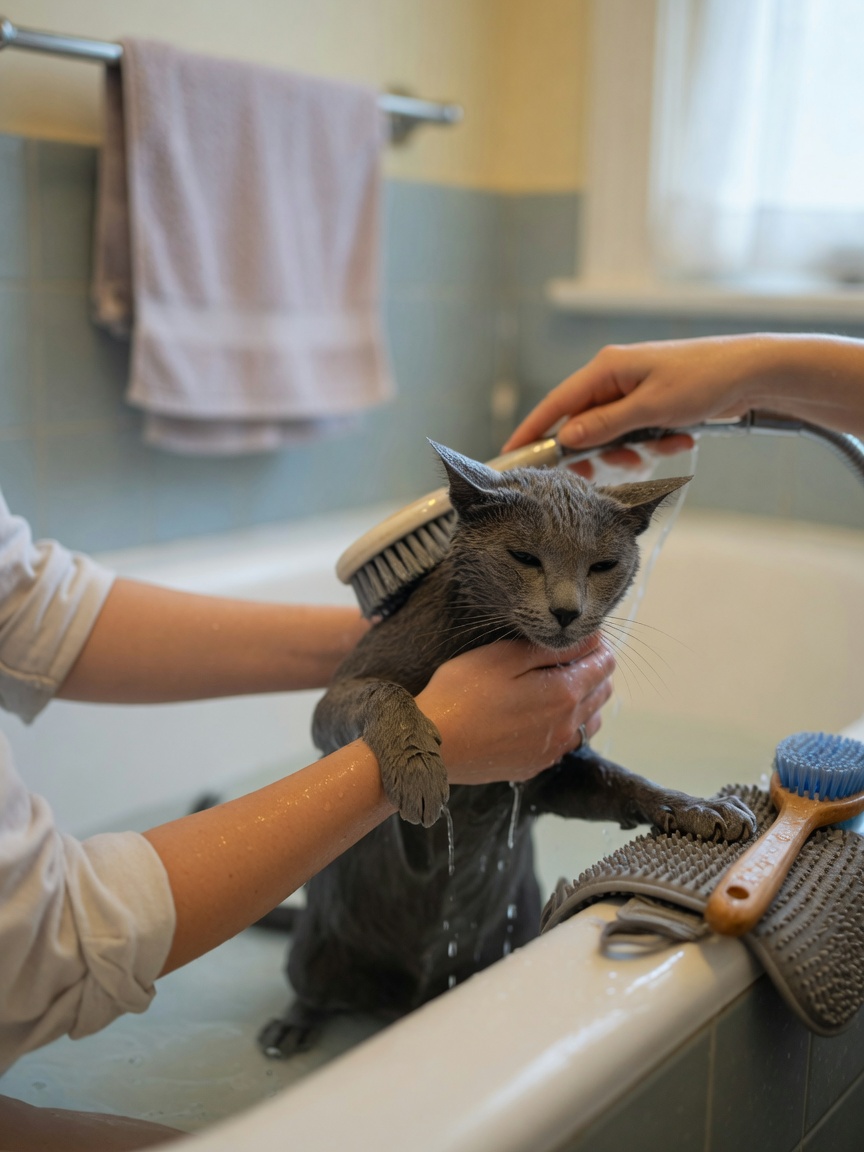
Regular grooming significantly reduces allergen levels in your home. Bathe your cat every 1-2 weeks if they'll tolerate it – this removes allergens from their skin and coat. For cats who dislike water, use cat wipes or grooming mitts instead. Brush your cat's coat daily using a damp brush, which captures loose hair and dander before it becomes airborne.
Maintain personal hygiene by washing your hands immediately after petting your cat, and avoid touching your face. If you wear contact lenses, consider switching to glasses when spending extended time with your cat, as allergen particles can irritate eyes.
Medical Management Options
Modern medicine offers several options to manage allergic symptoms:
- Antihistamine medications for symptom relief
- Nasal corticosteroid sprays to reduce inflammation
- Immunotherapy (allergy shots) – a long-term solution that reduces sensitivity over time
- Decongestants for temporary relief during flare-ups
Discuss these options with your GP or allergy specialist before getting your cat. Some people find their allergies improve over time as they build tolerance, whilst others maintain consistent symptoms.
Key Takeaways
Living with a cat whilst managing allergies requires a multi-pronged approach: selecting a lower-allergen breed, implementing strict environmental controls, maintaining rigorous grooming routines, and considering medical management. Success depends on your commitment to these strategies and honest communication with your healthcare provider. With proper planning and consistent effort, many allergy sufferers enjoy fulfilling cat ownership without compromising their health.