
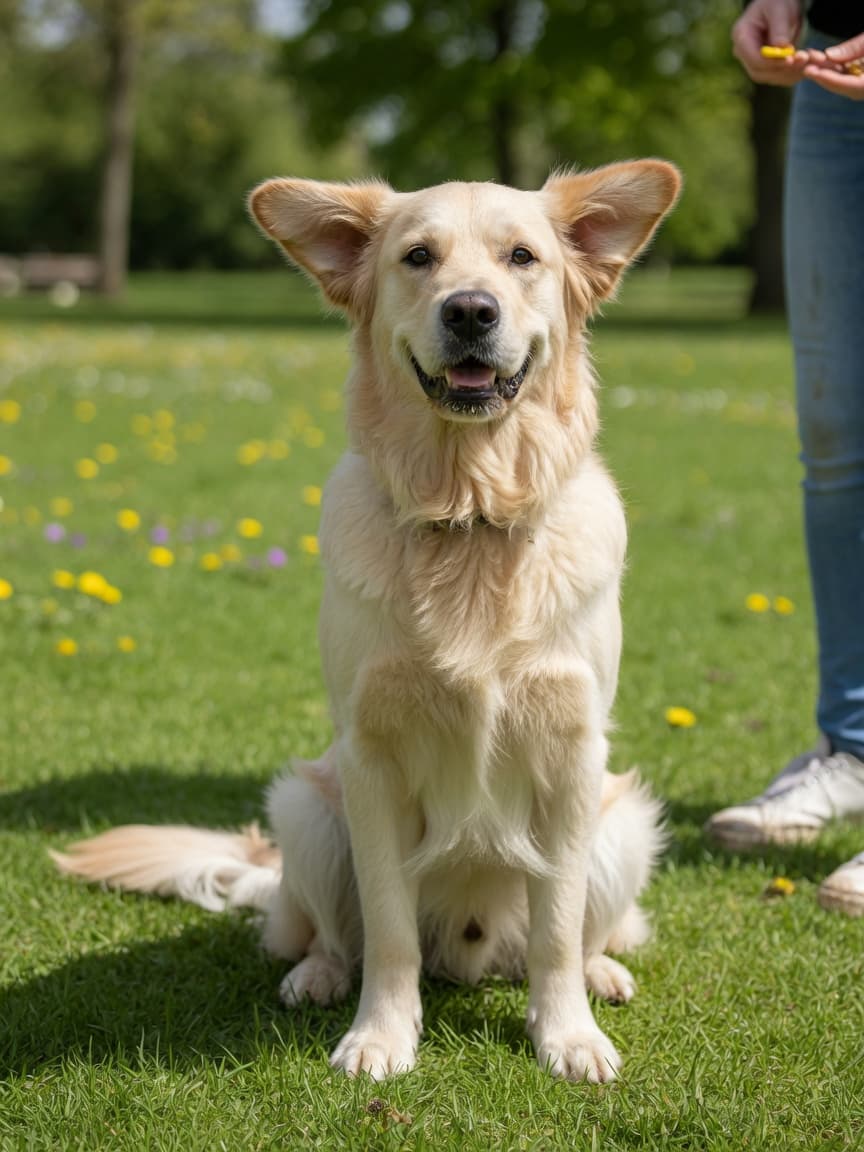
Clicker training has revolutionised the way we communicate with our pets, and for good reason. This science-backed method uses a simple handheld device that makes a distinct clicking sound to mark the exact moment your dog or cat does something right, followed immediately by a reward. Whether you're training a boisterous puppy, teaching an older dog new tricks, or working with a curious cat, clicker training offers a positive, effective approach that strengthens the bond between you and your pet whilst building their confidence.
Understanding the Science Behind Clicker Training
Clicker training works on the principles of operant conditioning and positive reinforcement. When your pet hears the click, their brain creates an association between that sound and the reward that follows. This clear communication is far more precise than verbal praise alone, as the click happens at the exact millisecond your pet performs the desired behaviour. Research has shown that animals learn faster with clicker training because there's no ambiguity about what earned them the reward.
The beauty of this method is that it's entirely force-free and humane, making it ideal for building trust and encouraging natural learning instincts in both dogs and cats.
Getting Your Supplies Ready
You'll need very few items to begin your clicker training journey:
- A clicker device (a small handheld gadget that produces a clicking sound when pressed)
- High-value treats your pet loves (small, soft treats work best for quick consumption)
- A quiet space to practice without distractions
- Patience and a positive attitude
Start in a calm environment where your pet can focus on you. Once they've mastered basics, you can gradually introduce distractions.
Step-by-Step: Teaching Your Pet the Connection
Before teaching specific behaviours, your pet must understand that the click means a reward is coming. Follow these steps:
- Click and reward repeatedly. Click the device, then immediately give your pet a treat. Do this 10-15 times in a session.
- Vary your rewards. Sometimes use treats, sometimes use play or praise, keeping your pet engaged.
- Test their understanding. After several sessions, click when your pet isn't expecting it. They should turn toward you looking for their reward.
- Introduce a behaviour. Once they understand the click-reward connection, click the moment they naturally perform a desired action (sitting, lying down, approaching you).
- Add a cue word. After they repeat the behaviour several times following the click, introduce a word like "sit" just before they perform it.
Training Tips for Success
Keep training sessions short—5-10 minutes is ideal for most pets. Consistency matters enormously; practise several times daily if possible. Always end on a positive note with a success, and never use the clicker as a punishment or attention-getter.
Timing is everything. The click must happen within one second of the behaviour, or your pet won't make the connection. If you miss the moment, don't click—simply try again in the next repetition.
Common Mistakes to Avoid
Don't click too often or use the clicker for multiple purposes—it's specifically for marking correct behaviour. Avoid clicking when your pet hasn't actually done what you wanted, as this confuses them. Additionally, never substitute the click with your voice; its value lies in its distinctiveness and consistency.
Key Takeaways
Clicker training is an accessible, effective method suitable for pets of all ages. Start by building the association between the click and reward, then use it to mark the exact behaviours you want to encourage. With patience, consistency, and appropriate high-value treats, you'll find your pet learning faster than you expected. Most importantly, clicker training strengthens your relationship with your pet through clear, positive communication—a foundation for a well-behaved, confident companion.