
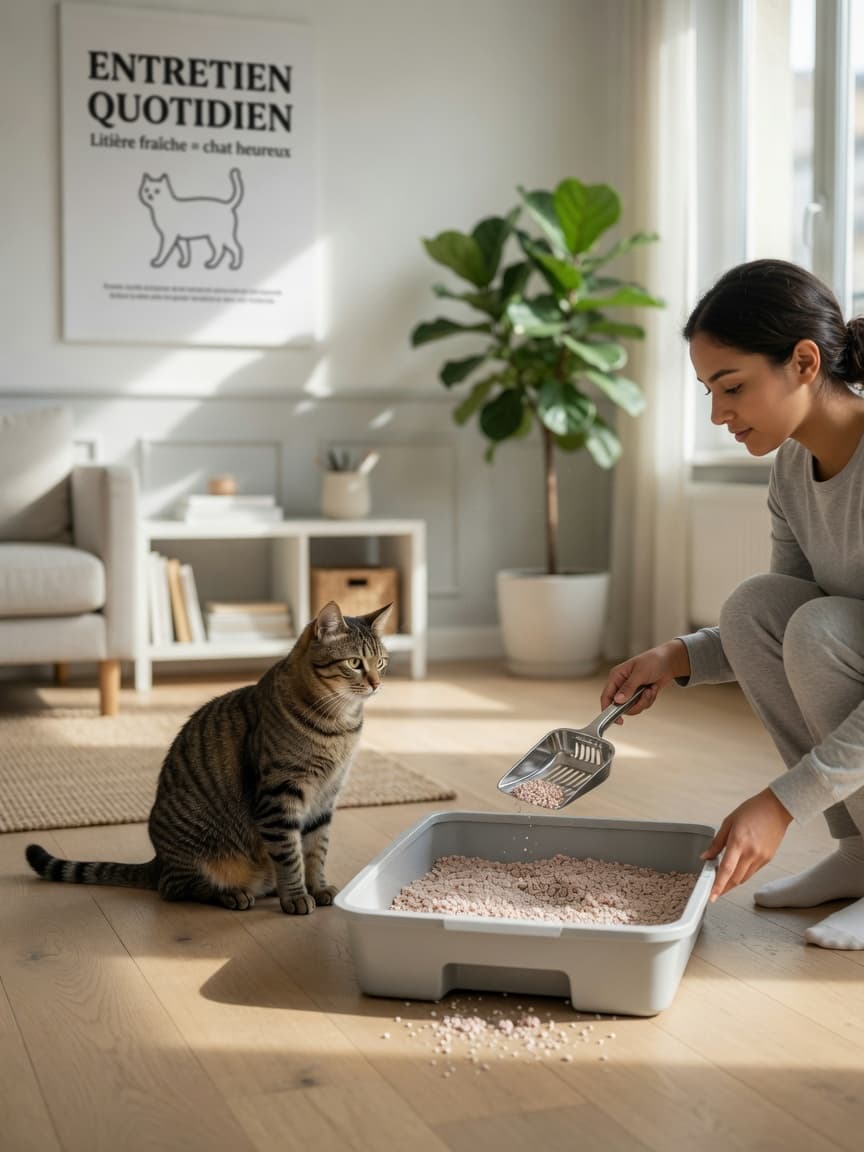
If you're a cat owner, you know that unwanted odours can quickly become a household challenge. Whether it's the unmistakable smell of urine, stale litter, or general mustiness, persistent cat odours affect your home's freshness and your family's comfort. The good news? Most cat odour problems are entirely preventable and treatable with the right approach. This comprehensive guide will help you identify the root causes and implement practical solutions to restore your home to a fresh, pleasant-smelling space.
Understanding the Source of Cat Odours
Before tackling odour elimination, it's crucial to pinpoint where smells originate. The most common culprit is the litter box itself, but odours can also stem from:
- Inappropriate elimination outside the litter box
- Poor litter box maintenance
- Undiagnosed urinary tract infections or health issues
- Inadequate ventilation in your home
- Cat urine marking behaviour, particularly in unneutered males
- Older cats with incontinence issues
If you notice sudden changes in your cat's toileting habits, consult your veterinarian to rule out medical conditions like cystitis or urinary blockages.
Optimising Litter Box Management
The litter box is the primary source of odour in most homes. A rigorous maintenance routine makes an enormous difference:
- Scoop daily — ideally twice daily for households with multiple cats. Remove clumped litter immediately to prevent odour build-up.
- Change litter completely — refresh the entire box weekly, not just spot-cleaning.
- Invest in quality litter — clumping, unscented varieties with natural odour-control properties perform better than basic options.
- Use the right depth — aim for 5-7 centimetres of litter to allow proper clumping and waste coverage.
- Consider multiple boxes — the golden rule is one box per cat, plus one extra. More boxes mean less overcrowding and better odour control.
- Position strategically — place litter boxes away from living areas and ensure good air circulation around them.
Many cat owners find that larger boxes, such as storage containers with cut entrances, reduce odour issues by providing more space and better waste separation.
Addressing Inappropriate Elimination
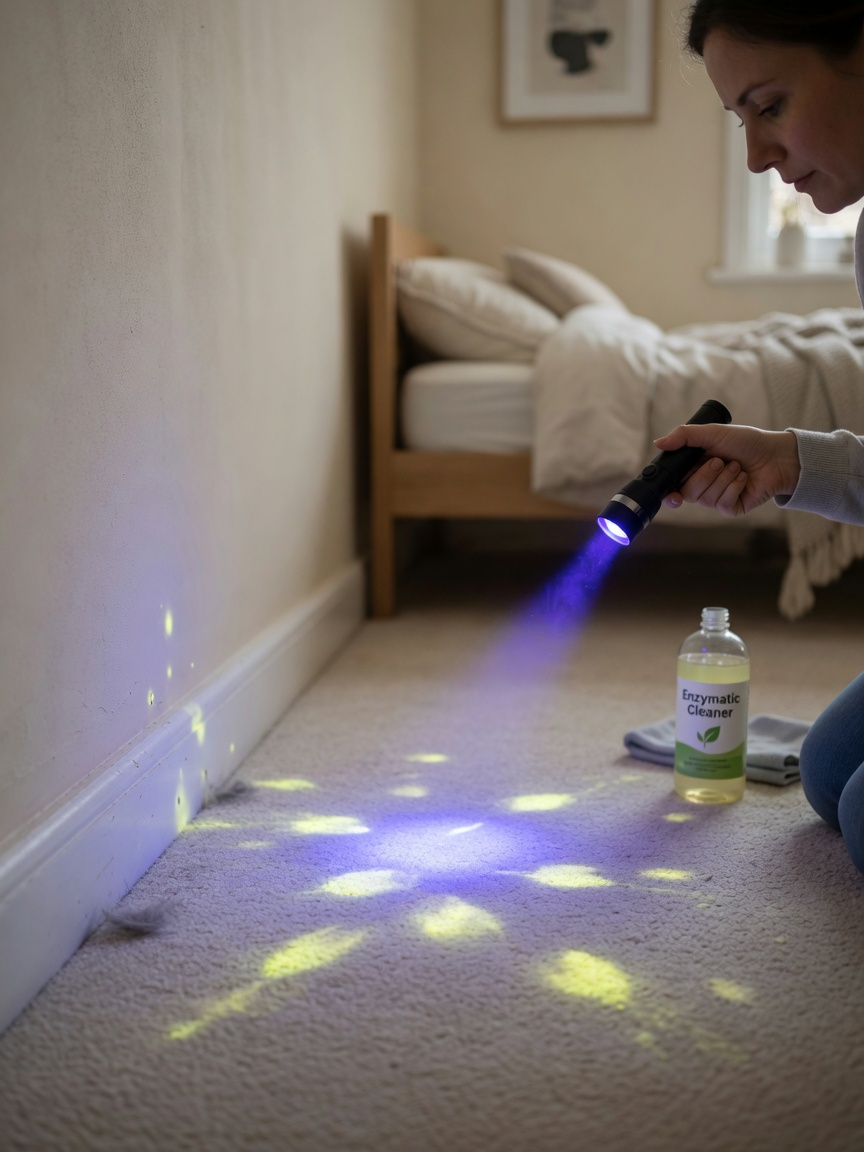
When cats eliminate outside the litter box, they often mark territory or signal distress. This behaviour creates stubborn odours that regular cleaning won't eliminate. First, schedule a veterinary check-up to exclude medical causes. Then:
- Use enzymatic cleaners specifically designed for pet urine — these break down odour-causing compounds rather than simply masking smells.
- Identify soiled areas using a UV light, which reveals urine deposits invisible to the naked eye.
- Clean thoroughly and allow proper drying time before allowing your cat access to the area again.
- Consider using deterrent mats or double-sided tape on problem spots temporarily.
Environmental Solutions and Maintenance
Beyond the litter box, several household practices reduce overall cat odours:
- Improve ventilation — open windows regularly or use extractor fans, especially near litter areas.
- Vacuum regularly — cat hair traps odour particles; weekly vacuuming helps.
- Wash soft furnishings — cat bedding, blankets, and cushions should be washed fortnightly.
- Air purifiers with HEPA filters — these effectively remove airborne odour particles.
- Baking soda sprinkles — safe for homes with cats, this natural deodoriser absorbs odours in litter areas and on soft furnishings.
When to Seek Professional Help
If persistent odours continue despite improved litter management, consult both your veterinarian and a feline behaviourist. Medical issues like diabetes or kidney disease can increase urine odour, whilst behavioural problems may require specialist intervention.
Key Takeaways
Eliminating cat odours permanently requires a multi-faceted approach combining diligent litter maintenance, environmental management, and medical oversight. By scooping daily, changing litter regularly, using enzymatic cleaners for accidents, and improving air circulation, you'll notice significant improvements within days. Remember, a fresh-smelling home is achievable — and your cat will benefit from improved hygiene too!