
How Much Exercise Do Cats Need?
Many cat owners assume their feline companions are content to lounge on the sofa all day, but the reality is quite different. Cats are natural hunters with instinctive needs for movement, mental stimulation, and play. Understanding your cat's exercise requirements is essential for maintaining a healthy weight, preventing behavioural problems, and ensuring long-term wellbeing. Unlike dogs, cats don't need lengthy walks, but they do need consistent, purposeful activity throughout the day.
Understanding Your Cat's Natural Activity Levels
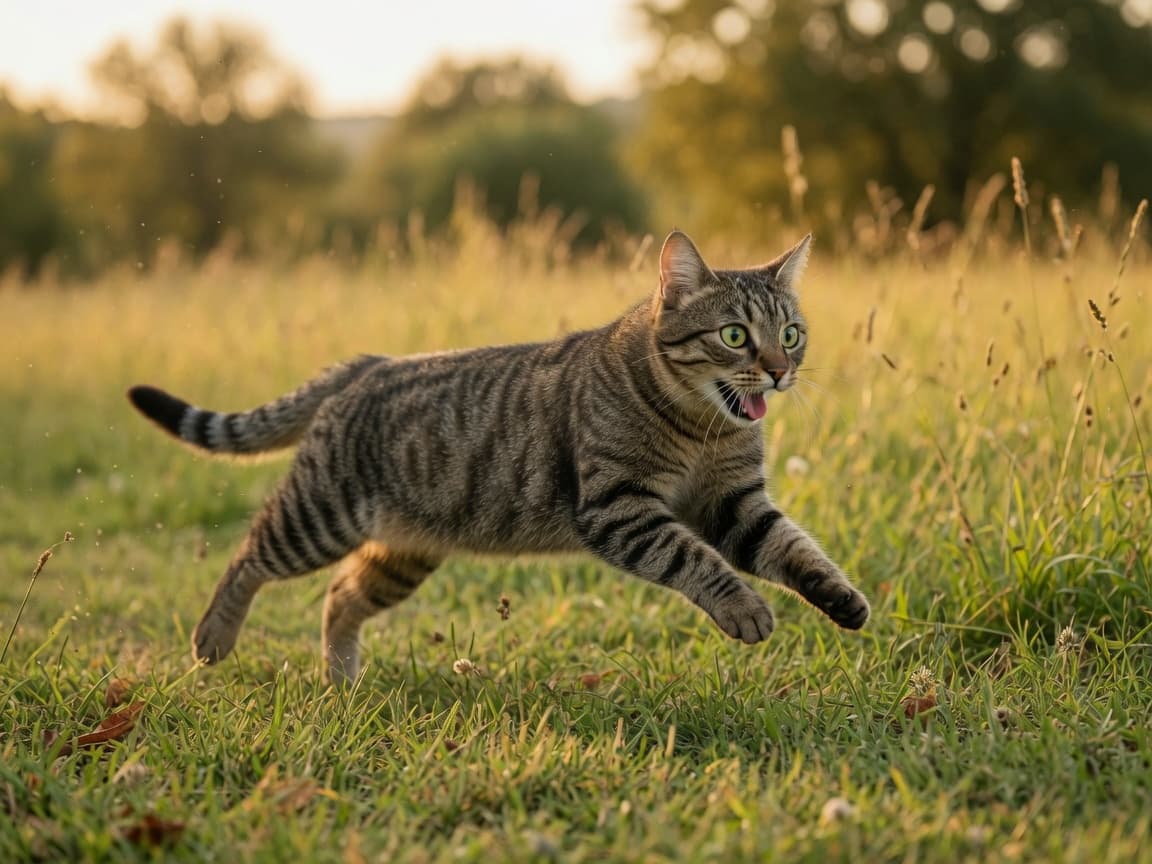
In the wild, cats spend significant portions of their day stalking, pouncing, and hunting for food. Domestic cats retain these instincts, even if their meals arrive in a bowl. Research shows that cats are naturally most active during dawn and dusk—a period known as crepuscular activity. This means your cat may have sudden bursts of energy in the early morning and evening hours, which is entirely normal behaviour.
Unlike dogs, cats don't require sustained aerobic exercise. Instead, they benefit from short, frequent bursts of intense activity interspersed with rest periods. This matches their natural hunting patterns, where energy is expended in quick sprints rather than long-distance pursuits.
Recommended Exercise Guidelines by Age
Exercise needs vary significantly depending on your cat's life stage:
- Kittens (under 1 year): Extremely high energy levels. Kittens need multiple play sessions daily, totalling 30-60 minutes. They learn vital social and hunting skills through play.
- Adult cats (1-7 years): Moderate to high activity. Aim for 15-30 minutes of active play per day, split into 2-3 sessions.
- Senior cats (7+ years): Reduced activity is common, but gentle movement remains important. 10-15 minutes daily helps maintain muscle mass and mobility.
Creating an Enriched Home Environment
You don't need to take your cat outside for exercise. Instead, create an environment that encourages natural movement:
- Vertical spaces: Cat trees, shelves, and wall-mounted perches encourage climbing and jumping
- Interactive toys: Feather wands, laser pointers, and small balls trigger pouncing instincts
- Puzzle feeders: These combine exercise with feeding, engaging both body and mind
- Window perches: "Cat TV" watching birds stimulates prey drive without excessive energy expenditure
- Rotating toys: Regularly changing available toys maintains interest and engagement
Signs Your Cat Isn't Getting Enough Exercise
Insufficient activity often manifests as behavioural or health problems. Watch for these warning signs:
- Weight gain or obesity
- Destructive behaviour, such as scratching furniture or knocking objects over
- Excessive vocalisations or aggression
- Lethargy beyond normal resting patterns
- Inappropriate elimination outside the litter box
- Repetitive behaviours like over-grooming
Indoor Versus Outdoor Exercise
Indoor cats can achieve adequate exercise through environmental enrichment and interactive play. However, some cats enjoy supervised outdoor access via harnesses, leads, or enclosed patios (catios). Outdoor time provides additional sensory stimulation but requires careful supervision to prevent injury, illness, or escape. Always ensure your cat is microchipped and vaccinated before allowing outdoor access.
Key Takeaways
Cats need regular, purposeful exercise tailored to their age and individual personality. Rather than lengthy walks, focus on creating an engaging indoor environment with multiple play sessions daily. Observe your cat's natural activity patterns and adjust enrichment accordingly. If your cat shows signs of weight gain or behavioural changes, consult your veterinary surgeon to rule out underlying health issues and develop an appropriate exercise plan. Remember, a stimulated cat is a happy, healthy cat.
Key takeaways
- Cats are naturally crepuscular (most active at dawn and dusk) and prefer short bursts of intense activity rather than sustained exercise like dogs
- Create an enriched home with vertical spaces, interactive toys, puzzle feeders, and window perches instead of relying on outdoor walks
- Watch for signs of insufficient exercise: weight gain, destructive behaviour, excessive vocalisations, lethargy, and inappropriate elimination
- Exercise needs change with age—kittens require 30-60 minutes daily, adult cats 15-30 minutes, and senior cats 10-15 minutes
Frequently asked questions
Can indoor cats get enough exercise without going outside?
Yes, absolutely. Indoor cats can achieve adequate exercise through environmental enrichment like cat trees, interactive toys, puzzle feeders, and regular play sessions. You don't need to take your cat outside—creating an engaging home environment is sufficient.
Why is my cat so hyper in the morning and evening?
This is completely normal behaviour. Cats are crepuscular animals, meaning they're naturally most active during dawn and dusk when their wild ancestors would hunt. These sudden bursts of energy are instinctive and healthy.
How do I know if my cat is overweight or not exercising enough?
Signs include visible weight gain, destructive behaviour like excessive scratching, knocking objects over, unusual vocalisations, aggression, or lethargy beyond normal rest periods. If you notice these changes, consult your vet to rule out health issues and create an exercise plan.
What's the best type of exercise for older cats?
Senior cats benefit from gentle, low-impact movement rather than intense play. Aim for 10-15 minutes of daily activity using toys they can bat at their own pace, and encourage them to use cat trees and perches to maintain muscle mass and mobility.