
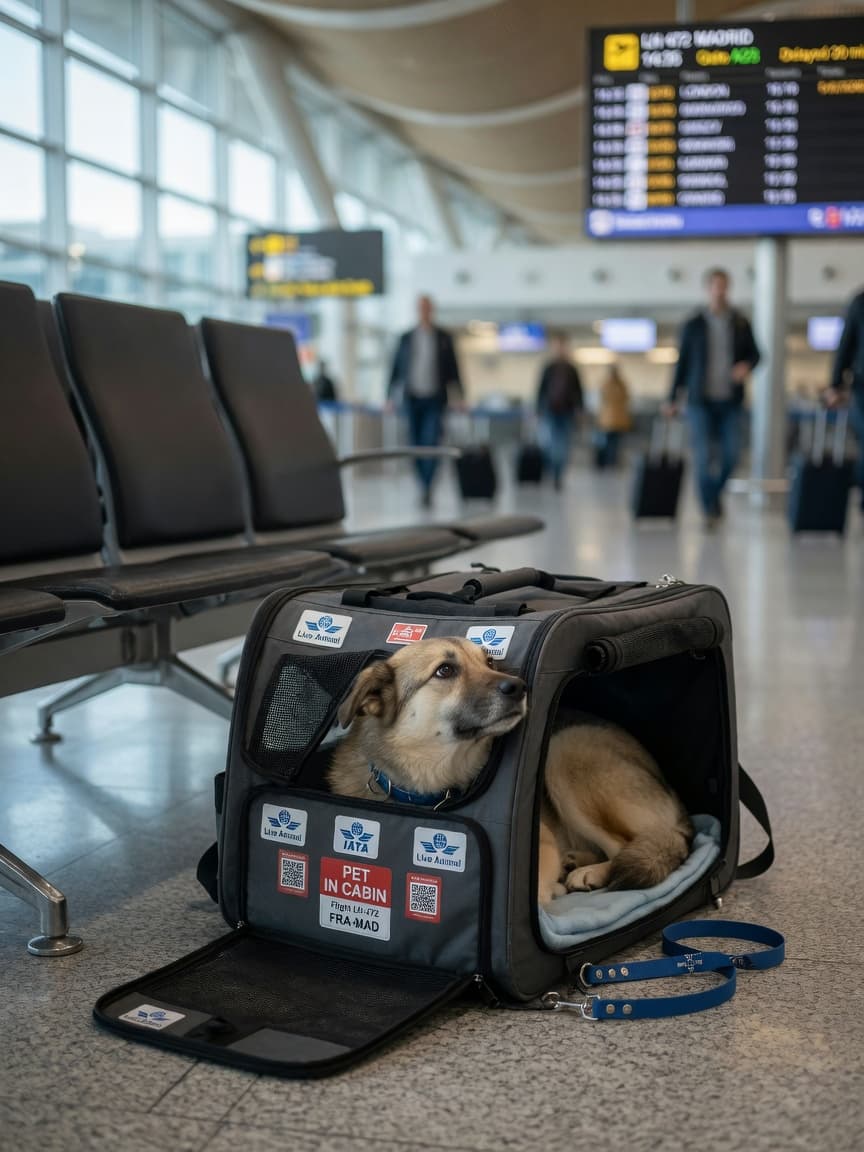
Taking your beloved dog on an aeroplane can feel daunting, but with proper planning and preparation, air travel with your furry companion is entirely manageable. Whether you're relocating to a new country or embarking on an adventure abroad, understanding the requirements and best practices will ensure a safe, comfortable journey for both you and your dog. This comprehensive guide covers everything you need to know about flying with your canine friend.
Understanding Airline Policies and Regulations
Before booking your flight, thoroughly research your chosen airline's pet policies. Most European airlines allow dogs to travel either in the cabin (for smaller dogs) or in the cargo hold (for larger breeds). Airlines typically charge pet fees ranging from £50 to £200 per flight, depending on the route and destination.
Each airline has specific size and weight restrictions, so verify these requirements early. Some airlines limit cabin pets to 8-10kg, whilst larger dogs must travel in climate-controlled cargo holds. Additionally, check your destination country's import regulations, as many require specific health certificates, microchipping, and vaccination records (particularly rabies vaccination).
Preparing Your Dog for Air Travel
Start preparing your dog several weeks before departure. Visit your veterinary surgeon to ensure your dog is in good health and up-to-date with all vaccinations and parasite treatments.
- Health Documentation: Obtain an EU Pet Passport or equivalent health certificate from your vet, dated within 10 days of travel
- Microchipping: Ensure your dog is microchipped and registered with current contact details
- Crate Training: If your dog will travel in cargo, familiarise them with their travel crate weeks in advance through positive reinforcement
- Exercise: Increase daily exercise to help your dog remain calm during travel
- Desensitisation: Play recordings of aeroplane sounds and visit the airport if possible to reduce anxiety
Essential Items to Pack
Pack a dedicated pet travel bag containing these essentials:
- Recent photographs of your dog (identification purposes)
- Original vaccination certificates and health documentation
- Prescription medications in original containers with labels
- Familiar bedding or blankets with your scent
- Collapsible food and water bowls
- Dry food in resealable bags (plus extra)
- Portable waste bags and cleaning supplies
- Comfortable collar, lead, and harness
- Favourite toys or chew items for comfort
Day-of-Travel Tips
On the day of your flight, keep your dog calm and comfortable. Exercise them thoroughly before heading to the airport, as physical activity reduces stress and anxiety. Avoid feeding a large meal immediately before travel; instead, offer a light meal 3-4 hours prior to departure.
Arrive early at the airport, allowing time for check-in procedures without rushing. Ensure your dog has toilet breaks before passing through security. If your dog travels in the cabin, keep them in an approved pet carrier under your seat. For cargo travel, stay calm yourself—dogs sense our anxiety, so maintaining a relaxed demeanour helps your companion remain settled.
Managing Your Dog's Wellbeing in Flight
During the flight, offer water regularly if your dog travels in the cabin. Keep your dog leashed when outside the carrier during bathroom breaks. For longer flights, consider consulting your vet about calming supplements or anxiety aids, though sedation is generally discouraged without professional guidance.
Cabin-travelling dogs may experience ear discomfort from pressure changes. Offering treats or water to encourage swallowing can help equalise ear pressure naturally.
Key Takeaways
Flying successfully with your dog requires careful planning, proper documentation, and advance preparation. Begin preparations 4-6 weeks before travel, prioritise your dog's comfort and safety, and maintain calm energy throughout the journey. With these guidelines followed, you and your faithful companion can look forward to smooth travels and exciting adventures together.