
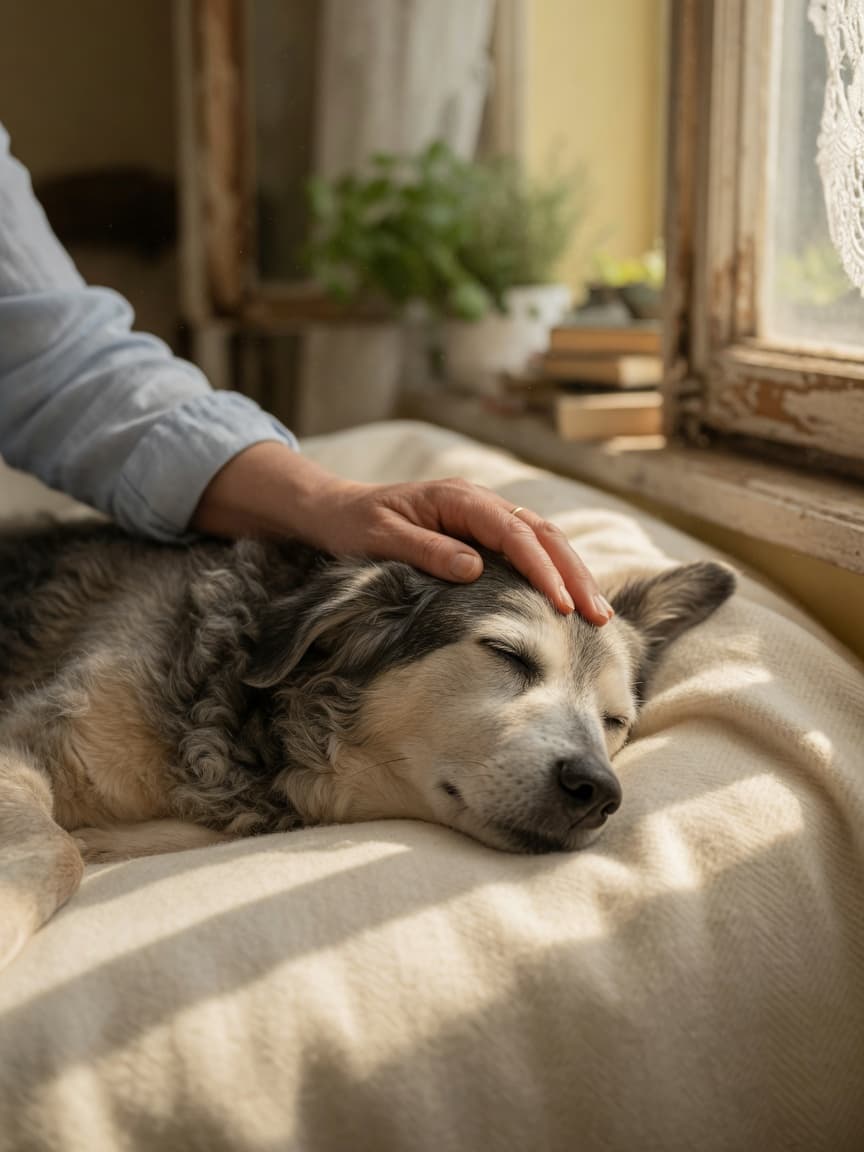
How to Deal With Guilt After the Loss of Your Pet
The loss of a beloved pet is one of life's most profound sorrows, yet it's often underestimated by those who haven't experienced it. If you're reading this whilst grieving, know that what you're feeling is completely valid. Pet loss grief is real, and the guilt that frequently accompanies it—questioning whether you did enough, made the right decisions, or spent sufficient time together—is a natural part of the mourning process. This article explores evidence-based strategies to help you navigate these difficult emotions and find peace.
Understanding Pet Loss Guilt
Guilt after pet loss typically manifests in several ways. You might replay final moments, second-guess medical decisions, or feel responsible for circumstances beyond your control. Research in veterinary psychology confirms that up to 80% of pet owners experience significant guilt following euthanasia decisions, even when that choice was compassionate and necessary.
This guilt often stems from the unique bond we share with our animals. Pets depend entirely on us, making us their primary caregiver and decision-maker. When their health declines or we lose them, it's easy to shoulder blame—yet this guilt rarely reflects reality. Most pet owners make decisions rooted in love and the best information available at the time.
Challenging Self-Critical Thoughts
When guilt emerges, examine your thoughts carefully. Ask yourself:
- Did I act with my pet's wellbeing in mind?
- Did I provide appropriate veterinary care when needed?
- Would any realistic alternative have changed the outcome?
- Am I holding myself to an impossible standard?
Often, we're far harsher with ourselves than we'd be with a friend in the same situation. Practise self-compassion—the same kindness you showed your pet throughout their life deserves to extend to yourself now.
Honouring Your Pet's Memory
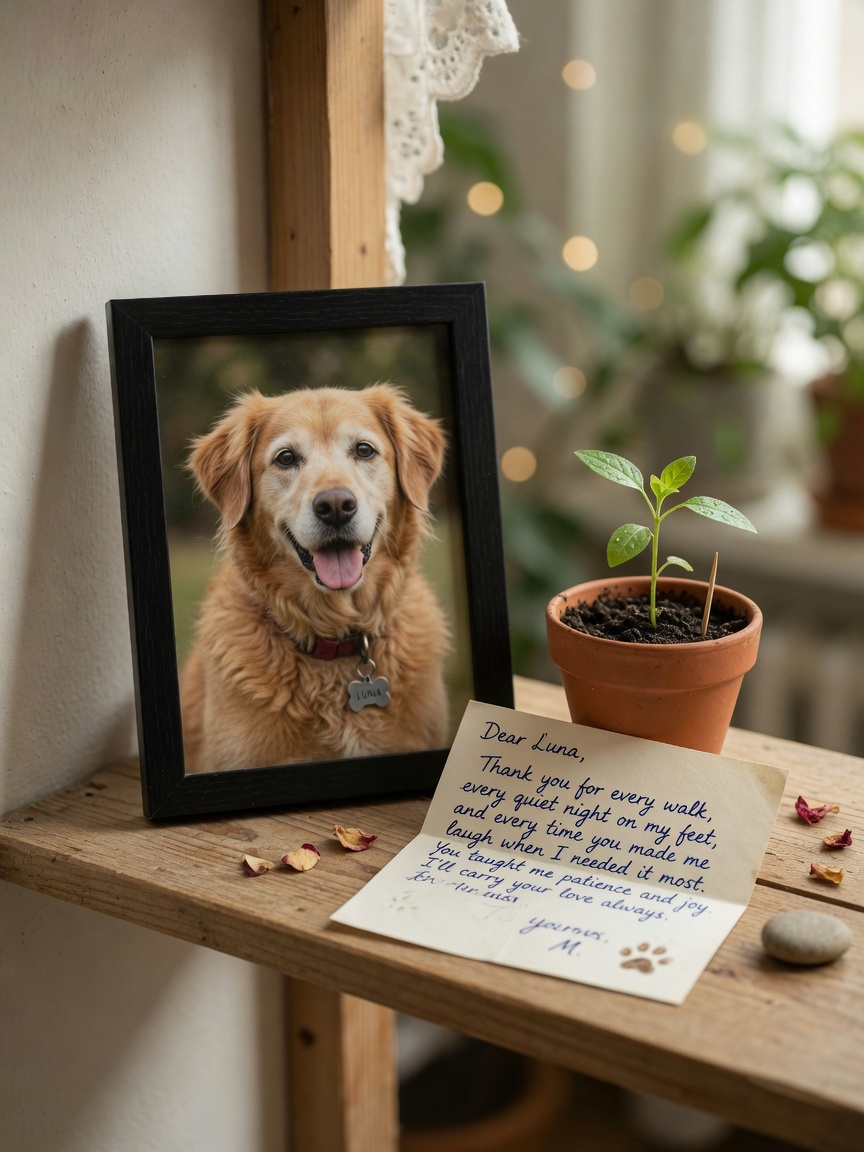
Creating meaningful rituals helps transform guilt into gratitude. Consider:
- Creating a photo album or memory box of favourite moments
- Planting a tree or flower in their honour
- Writing a letter expressing your feelings and gratitude
- Making a donation to an animal welfare charity in their name
- Creating a small memorial space in your home
These actions acknowledge your pet's importance whilst shifting focus from regret to appreciation for the time you shared.
Seeking Support and Professional Help
Don't underestimate the value of talking to others who understand. Many veterinary practices now offer pet loss support services, and numerous organisations provide dedicated helplines staffed by trained counsellors. Online support communities connect grieving pet owners worldwide, offering validation and shared experiences.
If guilt persists for months or interferes significantly with daily functioning, speaking with a counsellor or therapist familiar with pet loss grief is worthwhile. They can help process complicated feelings and develop coping strategies.
Moving Forward Without Replacing
There's no timeline for grief, and there's certainly no pressure to get another pet. Some people find that eventually welcoming a new companion helps, whilst others need extended time. When you're ready—whether that's months or years—any new pet is a different individual with their own personality. They honour your previous pet's memory rather than replace them.
Key Takeaways
Pet loss guilt is a sign of your deep love and commitment, not a reflection of your failures as a caregiver. By challenging self-critical thoughts, creating meaningful tributes, and seeking support when needed, you can gradually transform guilt into gratitude. Remember: you gave your pet companionship, care, and love. That's what matters most.
Key takeaways
- Up to 80% of pet owners experience significant guilt after loss, especially following euthanasia decisions—you're not alone in these feelings
- Challenge harsh self-judgment by asking whether you acted with your pet's wellbeing in mind and provided appropriate care when needed
- Create meaningful tributes like memory boxes, memorial spaces, or charitable donations to shift focus from regret to appreciation
- Seek support from pet loss helplines, veterinary practices offering grief services, or online communities if guilt persists for months or affects daily life
Frequently asked questions
Is it normal to feel guilty after putting your pet to sleep?
Yes, it's extremely common—research shows up to 80% of pet owners experience significant guilt following euthanasia decisions. This guilt often reflects your deep love and commitment to your pet's wellbeing, not actual failure as a caregiver.
How long should pet loss guilt last?
There's no set timeline for grief, and guilt naturally lessens as time passes. However, if guilt persists for months or significantly interferes with your daily functioning, speaking with a counsellor familiar with pet loss grief can help you process these complicated feelings.
What should I do to stop blaming myself for my pet's death?
Examine your thoughts honestly by asking whether you acted with your pet's wellbeing in mind and provided appropriate veterinary care when needed. Practice self-compassion—the same kindness you showed your pet deserves to extend to yourself now.
Should I get another pet after my pet dies?
There's no pressure to get another pet on any timeline. Some people find a new companion helps after months or years, whilst others need extended time to grieve. Any new pet will be a different individual with their own personality, and they honour your previous pet's memory rather than replace them.