
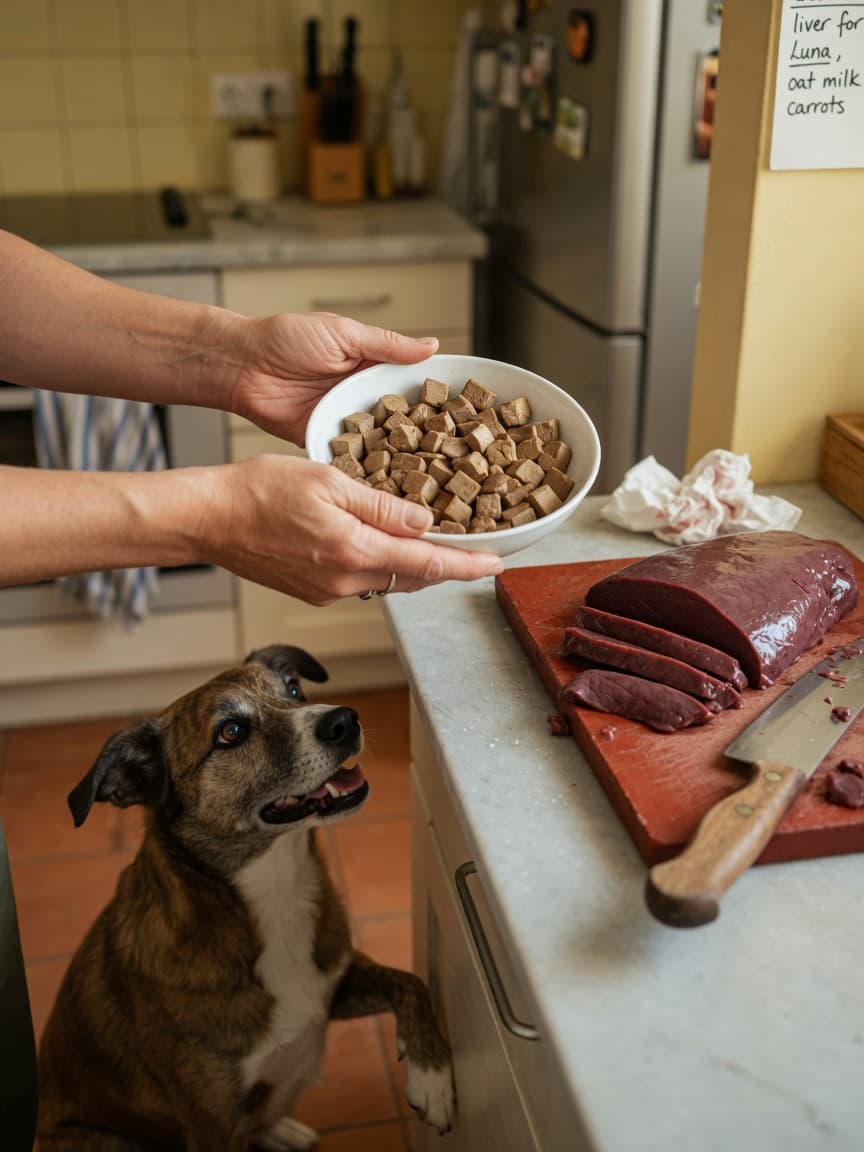
Beef liver is one of nature's most nutrient-dense foods for dogs, packed with iron, B vitamins, and essential amino acids that support energy, immune function, and cognitive health. Whether you're looking to add a nutritious treat to your dog's diet or seeking a whole-food supplement alternative, learning how to prepare beef liver safely is a worthwhile investment in your pet's wellbeing. In this guide, I'll share vet-approved methods for cooking beef liver, practical recipes, and answers to common questions from dog owners across Europe.
Why Beef Liver is Beneficial for Dogs
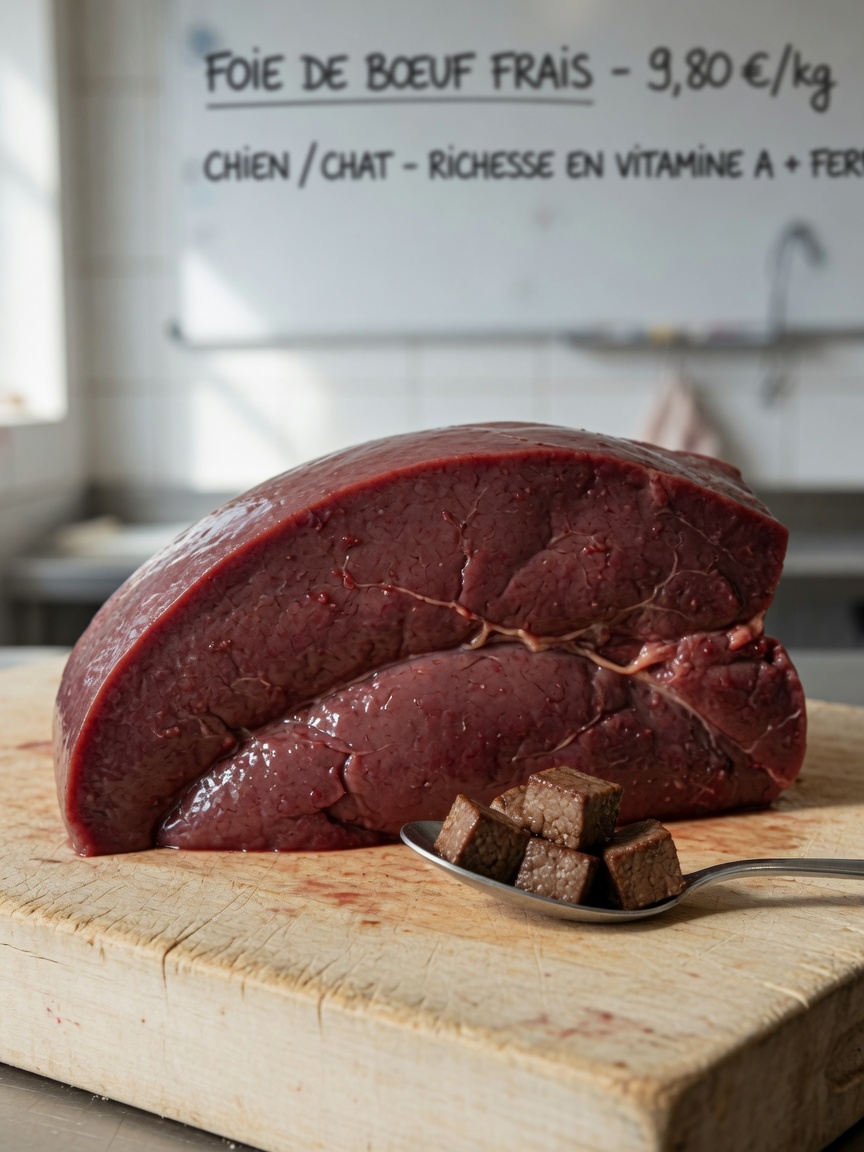
Beef liver contains remarkably high concentrations of B12, selenium, and copper—nutrients that support bone health, thyroid function, and nervous system development. For puppies, senior dogs, and those recovering from illness, beef liver can provide concentrated nutrition in small portions. A serving as small as a teaspoon offers measurable nutritional value without overwhelming your dog's digestive system.
Preparing Raw vs. Cooked Beef Liver
Whilst some raw feeding advocates recommend uncooked liver, cooking offers safety advantages, particularly regarding parasites and bacterial contamination. Cooking also makes nutrients slightly more bioavailable and is easier for sensitive digestive systems to process.
- Raw preparation: Requires sourcing from trusted suppliers with proper food handling protocols
- Cooked preparation: Reduces contamination risk and improves digestibility for most dogs
Simple Boiled Beef Liver Recipe
This is the easiest and safest method for home preparation:
- Select fresh beef liver from your butcher, ideally organic and grass-fed
- Rinse the liver under cool running water
- Cut into bite-sized pieces (approximately 2-3cm cubes)
- Place in a pot and cover with water—no salt or seasonings
- Bring to a gentle boil, then reduce to simmer for 15-20 minutes until cooked through
- Allow to cool completely before serving
- Store in an airtight container in the fridge for up to three days, or freeze in ice cube trays for convenient portioning
Baked Beef Liver Treats
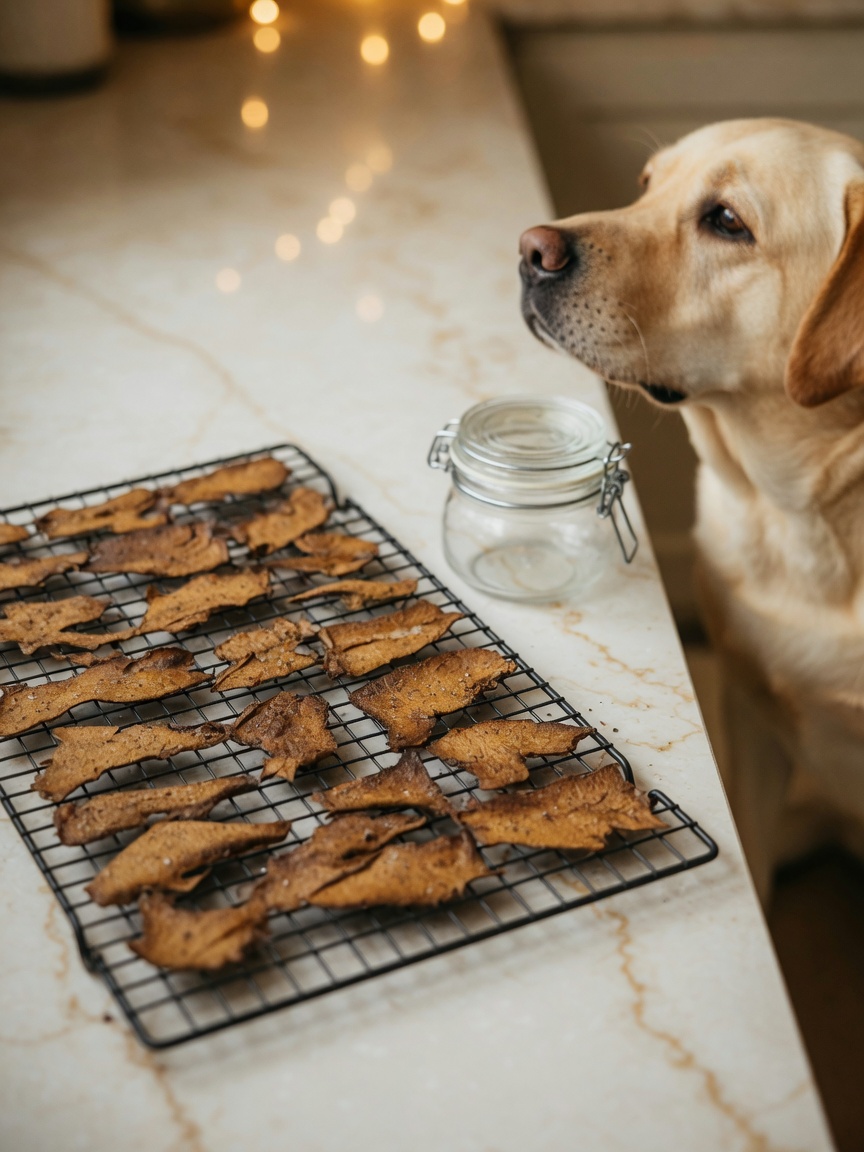
For a dehydrated treat option, slice liver thinly and bake at 160°C for 25-30 minutes until crispy. This creates long-lasting chews that many dogs love. Store in an airtight container for up to one week.
Serving Guidelines and Safety Considerations
Beef liver should never exceed 10% of your dog's daily caloric intake. For most dogs, this translates to:
- Small dogs (under 10kg): ½ teaspoon to 1 teaspoon daily
- Medium dogs (10-25kg): 1-2 teaspoons daily
- Large dogs (over 25kg): 1-2 tablespoons daily
Always introduce new foods gradually over seven to ten days to allow your dog's digestive system to adapt. Monitor for any loose stools or sensitivity. Pregnant or nursing dogs, as well as those with specific health conditions like copper-storage disease, should receive liver only under veterinary guidance.
Frequently Asked Questions
Can puppies eat beef liver? Yes, but in tiny portions—their developing systems require careful nutrition balance. Consult your vet for age-appropriate quantities.
Is beef liver safe for dogs with liver disease? Paradoxically, dogs with liver disease should avoid excessive liver, as it can be too rich. Your vet should approve any liver supplementation in these cases.
How long does cooked beef liver keep? Refrigerated cooked liver lasts three days; frozen portions remain safe for two to three months in properly sealed containers.
Key Takeaways
Beef liver is an excellent nutritional addition to your dog's diet when prepared correctly and offered in appropriate portions. Simple boiling is the safest preparation method for most home cooks, and freezing in ice cube trays ensures convenient, portion-controlled serving. Always introduce new foods gradually and consult your veterinary surgeon if your dog has underlying health conditions or digestive sensitivities. By following these vet-approved guidelines, you'll provide your dog with a nutrient-dense superfood that supports their long-term health and vitality.