
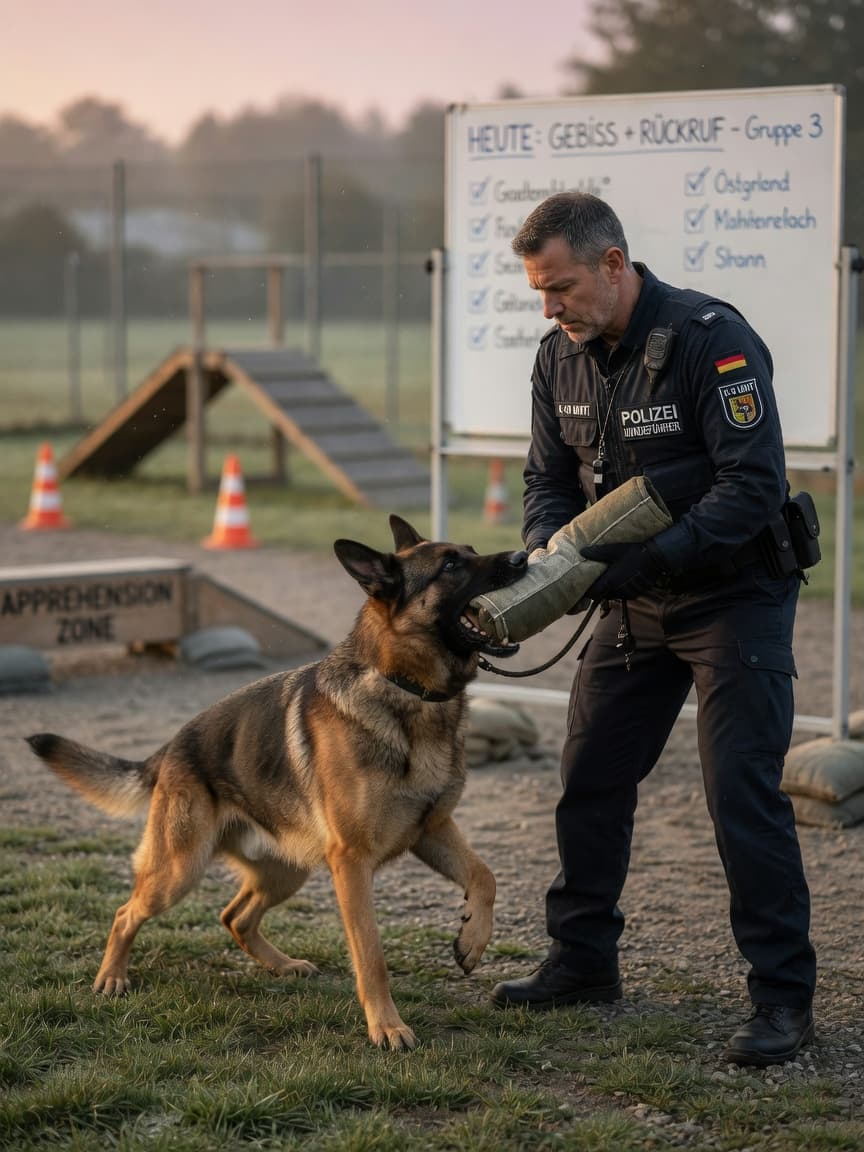
Training police and working dogs is one of the most rewarding careers in the animal world, combining your passion for dogs with the opportunity to serve your community. Police dog trainers shape canines into highly skilled professionals capable of detecting narcotics, tracking suspects, and saving lives. If you're considering this demanding yet fulfilling career path, understanding the requirements, training process, and realistic expectations is essential. This guide will walk you through everything you need to know about becoming a police dog trainer.
Understanding the Role of a Police Dog Trainer
Police dog trainers work with law enforcement agencies to develop and refine the skills of working canines. These professionals are responsible for teaching dogs to perform specific tasks such as scent detection, apprehension, tracking, and evidence recovery. The role extends beyond training—it involves understanding canine behaviour, maintaining detailed records, and sometimes testifying in court about a dog's training and capabilities. Police dog trainers often work irregular hours, including nights and weekends, and must be physically fit to keep pace with their canine partners.
Educational and Vocational Requirements
Most police departments require trainers to have completed compulsory secondary education at minimum. However, pursuing relevant qualifications significantly improves your prospects:
- Animal Science or Biology Qualifications: A-levels or GCSE qualifications in animal-related subjects provide valuable foundational knowledge
- Canine Behaviour Certifications: Look for courses accredited by the International Association of Canine Professionals (IACP) or the Association of Professional Dog Trainers (APDT)
- Police Dog Handler Courses: Specialised training programmes offered by recognised institutions teach working dog protocols and handling techniques
- First Aid and Health Training: Basic animal first aid certification is often mandatory
Gaining Essential Experience
Hands-on experience with dogs is crucial before applying to police training roles. Start by volunteering at dog rescue centres, working as a dog walker, or assisting with basic obedience classes. Many successful trainers begin their careers as police constables first, then transition into specialised dog training roles within their department. This pathway offers significant advantages: you'll understand police procedures, establish connections with experienced handlers, and demonstrate your commitment to law enforcement.
The Path to Professional Police Dog Training
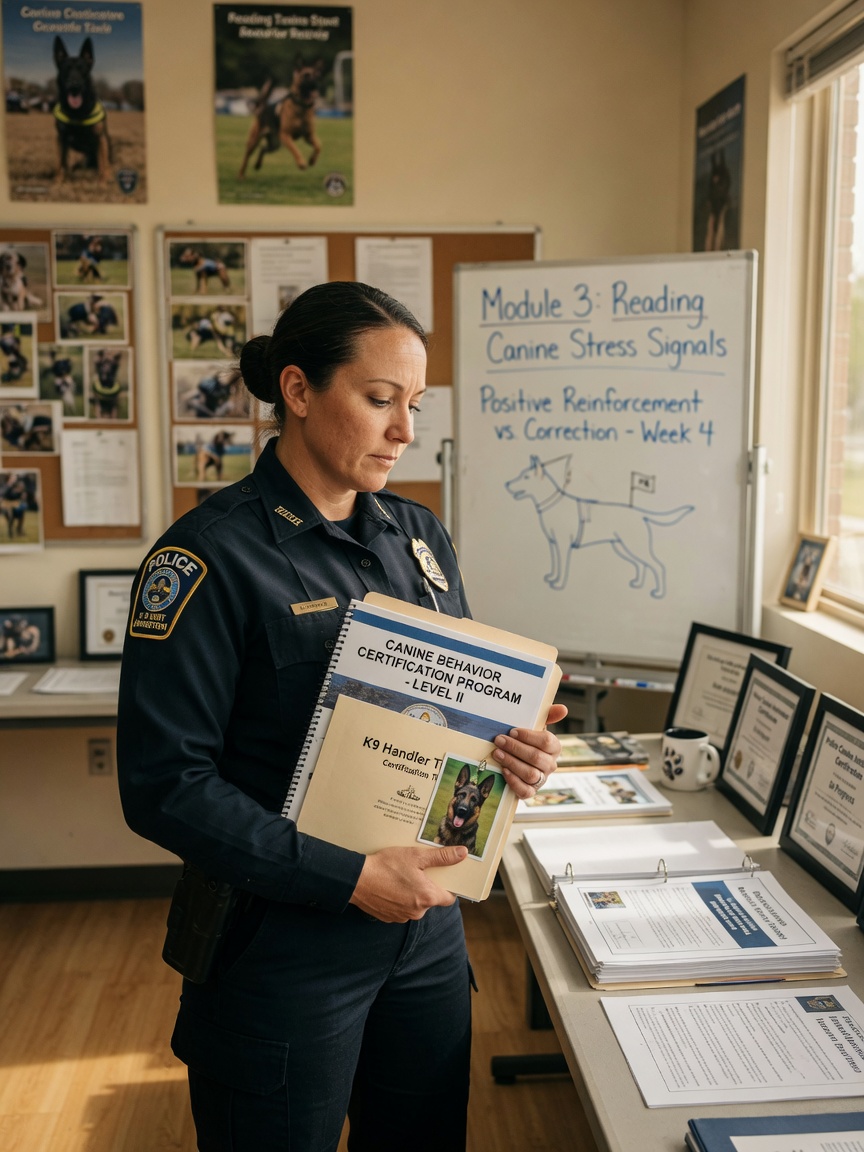
Once you've secured relevant experience and qualifications, the typical progression includes:
- Applying for a general police constable position with your local force
- Gaining 2-3 years of service and proven reliability within the police service
- Completing internal police dog handler training programmes, typically lasting 8-16 weeks
- Working as a police dog handler before specialising in training
- Pursuing advanced trainer certification through your police force or recognised external bodies
Physical and Personal Requirements
Police dog training demands more than academic knowledge. You'll need excellent physical fitness to handle large, powerful dogs and work in varied weather conditions. Patience is essential—dog training requires repetition and consistency. Mental resilience is equally important, as you'll work in high-pressure situations where your canine partner's reliability directly affects public safety. Strong communication skills help you teach fellow officers how to work effectively with trained dogs.
Career Prospects and Specialisations
The career offers diverse opportunities beyond standard police work. Many trainers specialise in specific areas including firearms detection, explosives detection, search and rescue, or narcotics work. Some transition into private security, airport operations, or correctional facilities. The UK Police Service consistently requires skilled dog trainers, and demand remains strong across Europe.
Key Takeaways
Becoming a police dog trainer requires dedication, proper qualifications, and substantial hands-on experience. Begin by gaining exposure to dog training through volunteer work, pursue relevant certifications in canine behaviour, and consider joining police service as a constable first. The combination of passion for dogs, commitment to law enforcement, and professional training creates a rewarding career that genuinely makes a difference in communities across the UK and Europe.
```