
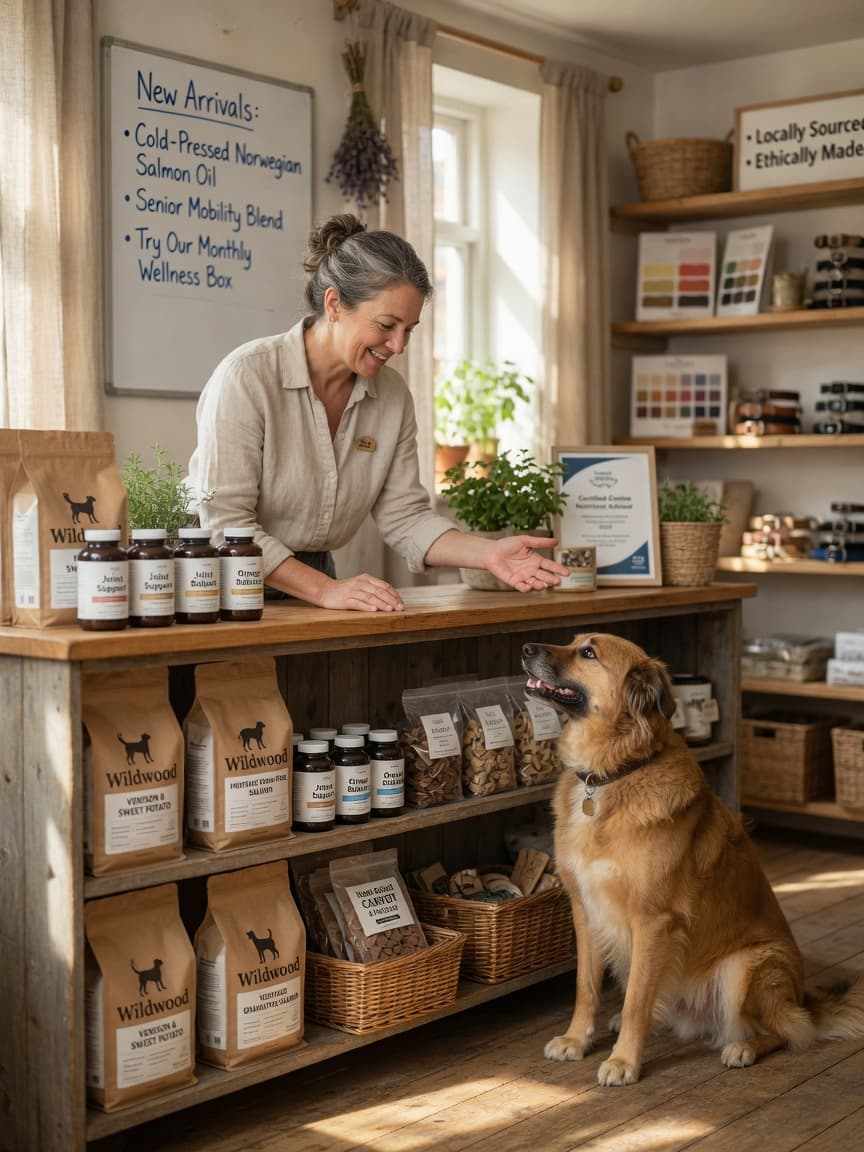
Pet retailers play a vital role in supporting dog owners' ability to provide optimal nutrition and healthcare for their canine companions. From independent pet shops to large chains, retailers have the unique position of being trusted advisors who can guide families towards evidence-based choices that genuinely improve their dogs' wellbeing. By stocking quality products, offering knowledgeable staff, and educating customers, retailers become essential partners in promoting whole dog health.
The Importance of Quality Product Selection
Retailers who curate their inventory with care demonstrate commitment to canine health. This means prioritising whole-food-based dog foods that contain named meat sources and minimal artificial additives over low-quality alternatives filled with by-products and fillers. When retailers stock nutritionally complete diets that reflect current veterinary nutrition science, they empower owners to make better choices.
Quality selection extends beyond food to supplements, treats, and healthcare products. Retailers should stock items backed by clinical research and recommended by veterinary nutritionists, ensuring that every product on the shelf contributes positively to dog health rather than merely boosting profit margins.
Training Staff as Trusted Advisors
Knowledgeable retail staff are invaluable assets to dog owners navigating complex health decisions. Retailers who invest in staff training create environments where customers receive accurate guidance rather than sales pitches. Well-informed employees should understand:
- Canine nutritional requirements at different life stages
- The importance of digestive health and microbiome support
- Common health concerns and when customers should consult veterinarians
- How to read and interpret pet food labels
- The role of supplements in preventative care
This expertise transforms retailers from mere vendors into education hubs where owners gain confidence in their purchasing decisions.
Supporting Preventative Healthcare
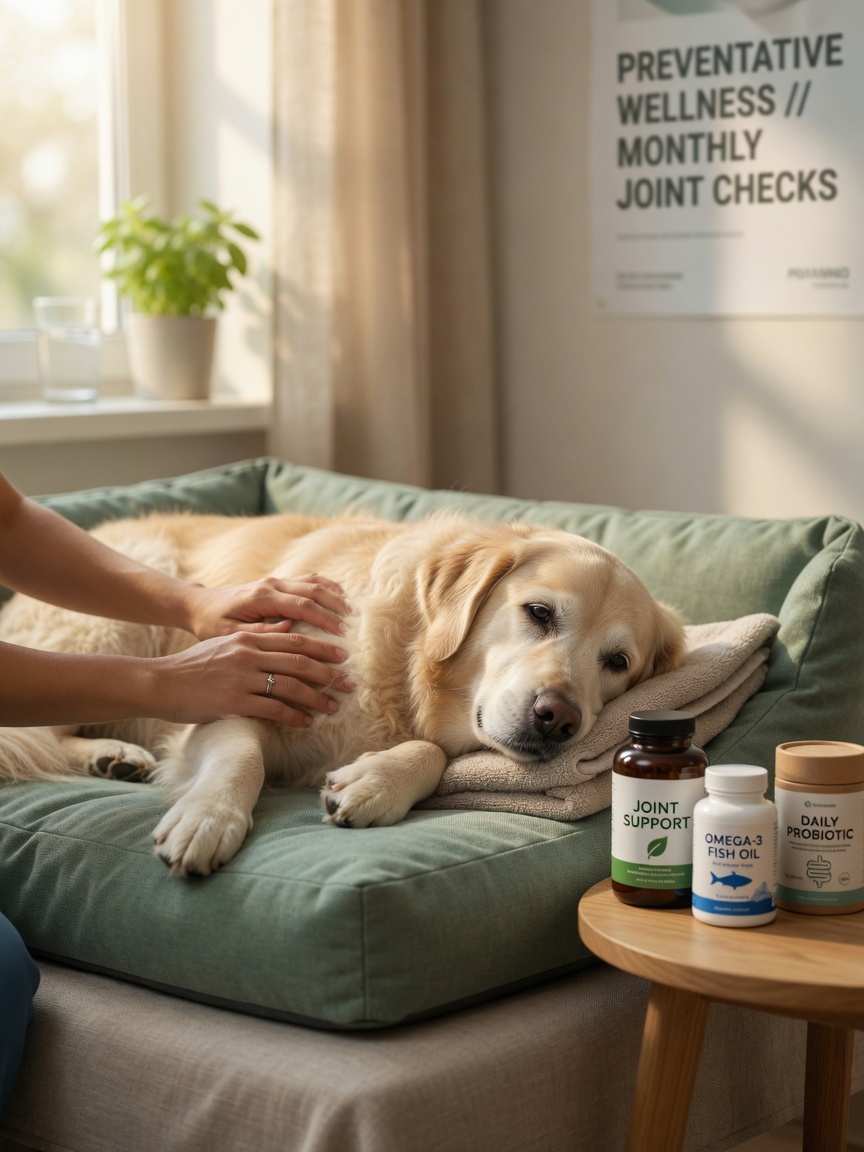
Retailers can champion preventative health by stocking products that support whole-dog wellness. This includes high-quality joint support supplements for senior dogs, omega-3 fatty acids for coat and skin health, and probiotics for digestive wellbeing. By explaining how these products prevent health issues before they develop, retailers help owners adopt proactive rather than reactive approaches to pet care.
Offering a range of natural flea and tick prevention options, alongside conventional treatments, gives owners informed choices tailored to their individual dogs' needs and risk profiles.
Creating Educational Opportunities

Progressive retailers recognise that education builds customer loyalty and genuinely healthier dogs. Consider:
- Hosting informative workshops on nutrition, training, and health management
- Providing free consultations with veterinary nutritionists
- Sharing evidence-based information through newsletters and social media
- Recommending reliable resources for dog owners seeking additional knowledge
- Collaborating with local veterinarians to promote integrated care
Building Trust Through Transparency
Retailers earn customer loyalty by being transparent about their sourcing, ingredient selection criteria, and why specific products are recommended. Clear communication about what makes a product superior—whether it's the quality of protein sources, manufacturing standards, or nutritional completeness—helps owners understand they're making investments in their dogs' long-term health.
Key Takeaways for Pet Retailers
Retailers who prioritise dog health over quick profits create communities of healthier, happier pets. By stocking quality products, training knowledgeable staff, supporting preventative care, educating customers, and maintaining transparency, retailers become genuine partners in whole dog health. In doing so, they build sustainable businesses founded on trust, expertise, and a shared commitment to canine wellbeing. The retailers who succeed long-term are those who recognise that supporting dog health ultimately supports their own success.
```