
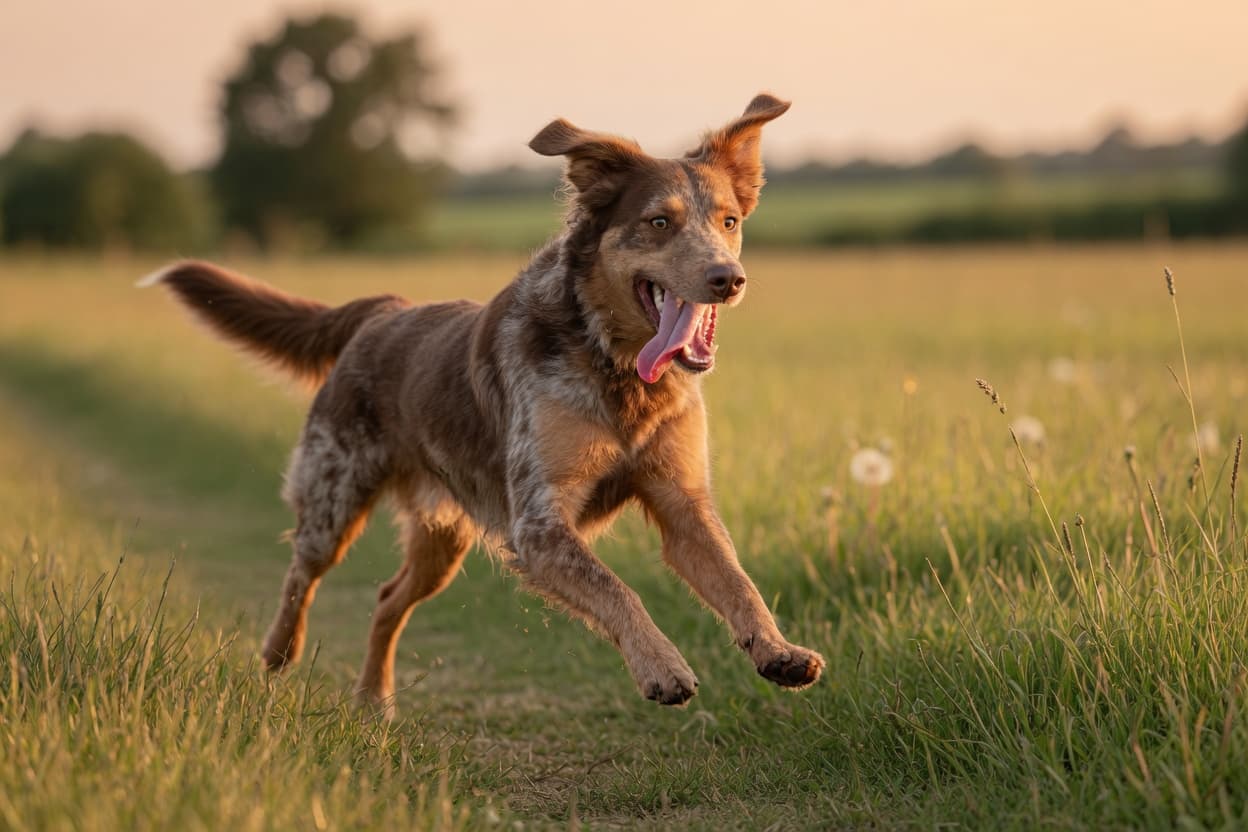
How Often Should You Walk With Your Dog?
Walking your dog is far more than just a bathroom break—it's essential for their physical health, mental wellbeing, and your bond together. Yet many dog owners wonder whether they're walking enough, too much, or at the right pace. The truth is, there's no one-size-fits-all answer, but understanding your dog's individual needs will help you create the perfect walking routine.
Daily Walk Requirements by Age
Your dog's age significantly influences how much exercise they need. Puppies under six months require frequent, shorter walks rather than long endurance treks, as their bones are still developing and excess strain can cause damage.
- Puppies (8 weeks to 6 months): Three to four short walks daily (10-15 minutes each), plus play sessions
- Young adults (6 months to 2 years): Two to three walks daily (20-40 minutes each), depending on breed
- Adult dogs (2-7 years): At least two walks daily (30-60 minutes combined)
- Senior dogs (7+ years): Two shorter walks daily (15-30 minutes each), adjusted for mobility
Breed and Size Considerations
Different breeds have vastly different exercise requirements. A Border Collie needs significantly more mental and physical stimulation than a French Bulldog, whilst giant breeds like Great Danes require moderate exercise to protect their joints.
High-energy working and sporting breeds (Labradors, Spaniels, Huskies) thrive on 60-90 minutes of daily activity, combining walking with running or fetch. Conversely, toy breeds and brachycephalic (flat-faced) dogs like Bulldogs or Pugs need shorter, less strenuous walks to prevent overheating and joint stress.
Health and Fitness Status
Your dog's individual health matters just as much as breed standards. Dogs recovering from surgery, those with arthritis, or those managing heart conditions need adjusted routines. Overweight dogs benefit from gradually increased walking to build fitness safely without injury.
If your dog is new to exercise, introduce walking gradually—start with shorter distances and increase by about 10% weekly. Watch for signs of fatigue, limping, or reluctance to continue, as these indicate you've overdone it.
Mental Stimulation Through Walking
Physical exercise is only half the equation. Dogs need mental stimulation too, which walking provides through sniffing, exploring, and environmental changes. Vary your routes regularly and allow adequate sniffing time—your dog experiences the world through scent, and this is deeply enriching for them.
Interactive walks where you engage with your dog, teach commands, and allow social interaction with other dogs create more fulfilling experiences than simply trudging the same path daily.
Weather and Environmental Factors
British weather presents unique challenges. During hot summers, walk during cooler morning or evening hours and avoid hot pavements that can burn paw pads. In winter, shorter walks might be preferable, though most dogs enjoy cold weather—just ensure they're dry afterwards to prevent skin issues.
Icy pavements require caution with older dogs and those prone to slipping. Consider dog booties or paw balms to protect sensitive feet.
Key Takeaways
Most adult dogs require at least two walks daily, totalling 30-120 minutes depending on breed, age, and health. Rather than rigidly following guidelines, observe your individual dog: are they energetic or sluggish? Do they show interest or boredom? Adjust accordingly. Remember that mental stimulation through varied environments and sniffing opportunities is equally important as physical distance covered. When in doubt, consult your veterinary surgeon, particularly if your dog has health concerns. The best walking routine is one you'll maintain consistently, keeping your dog healthy, happy, and content for years to come.
```Key takeaways
- Puppies need three to four short 10-15 minute walks daily, whilst adult dogs typically require two walks of 30-60 minutes combined
- High-energy breeds like Border Collies and Huskies need 60-90 minutes daily activity, whereas toy breeds and flat-faced dogs need shorter, gentler walks
- Mental stimulation through varied routes, sniffing time, and environmental exploration is equally important as physical distance covered
- Adjust walking routines for weather (avoid hot pavements in summer, use booties on icy winter paths) and watch for signs of fatigue or limping
Frequently asked questions
Can I walk my dog once a day instead of twice?
Most adult dogs benefit from two separate walks daily rather than one longer walk, as this breaks up their day and provides more frequent toilet opportunities. However, if a single longer walk is your only option, ensure it meets your dog's total exercise requirements for their age and breed, and monitor them for restlessness or behavioural issues.
How do I know if my dog is getting enough exercise?
A well-exercised dog should be calm and content at rest, without excessive energy or destructive behaviour. Watch for signs of fatigue, limping, or reluctance to continue during walks—these indicate you've overdone it. If your dog seems sluggish or bored, they may need more activity.
Is it safe to walk my senior dog every day?
Yes, senior dogs benefit from daily walks adapted to their mobility and health status, typically two shorter walks of 15-30 minutes each. Always watch for signs of discomfort, limping, or excessive fatigue, and consult your vet if your older dog has arthritis or other health concerns.
Should I walk my puppy as much as an adult dog?
No, puppies need shorter, more frequent walks—three to four walks of 10-15 minutes each daily—because their bones are still developing and long walks can cause damage. Gradually increase walk duration and intensity as your puppy matures, reaching adult exercise levels around 6-12 months depending on breed.