

If you're a cat owner wondering about your feline's reproductive capacity, you've likely heard that cats can breed quite frequently. The reality is both surprising and sobering: an unspayed female cat can potentially produce between two and four litters per year, with each litter containing anywhere from one to nine kittens. This extraordinary reproductive capability has significant implications for both individual cat welfare and the broader issue of cat overpopulation in shelters across Europe and beyond.
Understanding the Feline Reproductive Cycle
Unlike humans, cats are seasonally polyoestrous animals, meaning they can enter oestrus (heat) multiple times throughout the breeding season. In the Northern Hemisphere, this typically occurs from January through December, with peak activity during spring and summer months when daylight hours increase.
A cat's oestrous cycle lasts approximately seven to ten days. If a female cat becomes pregnant during this window, she'll carry kittens for roughly sixty-three to sixty-five days. Once she's weaned her litter (usually at eight weeks), she can enter oestrus again within days—sometimes whilst still nursing—creating the potential for successive pregnancies.
The Mathematics of Multiple Litters
To understand how many litters are possible in a year, consider this timeline:
- First litter: Born in spring (March-April)
- Second litter: Born in summer (June-July)
- Third litter: Born in early autumn (September-October)
- Fourth litter: Potentially born in late autumn (November-December)
However, the number of litters typically decreases as daylight hours shorten in autumn and winter. Most cats in temperate climates average two to three litters annually, though indoor cats with artificial lighting may breed year-round.
Health Consequences for Breeding Cats
Repeated pregnancies and nursing place enormous strain on a cat's body. Each pregnancy depletes crucial nutrients, particularly calcium and phosphorus, which can lead to serious health complications. Nursing mothers experience significant weight loss and exhaustion. Additionally, cats that breed continuously face increased risks of:
- Mastitis (breast infection)
- Uterine infections
- Malnutrition and anaemia
- Premature ageing
- Shortened lifespan
Beyond physical health, repeatedly raising litters is emotionally taxing for cats, who are solitary creatures by nature.
The Importance of Spaying
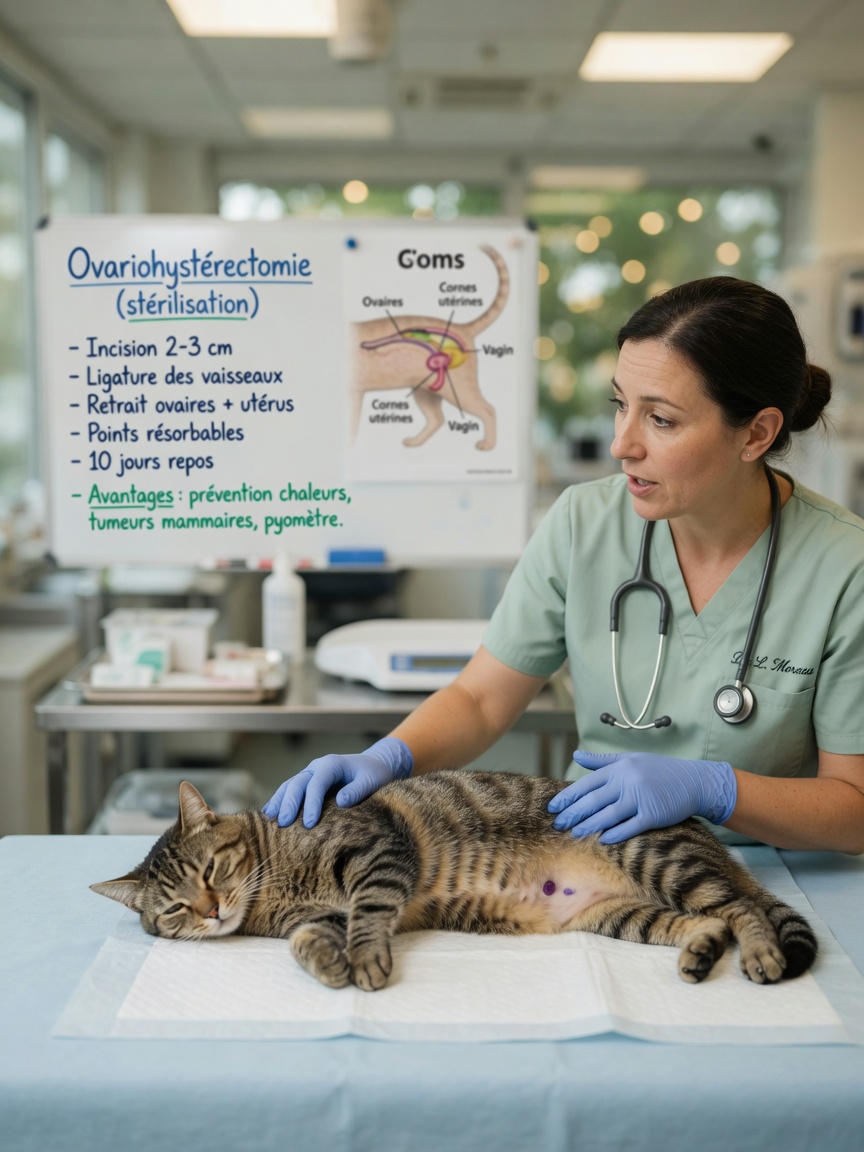
Spaying your female cat (ovariohysterectomy) is the most effective way to prevent unwanted breeding and eliminate these health risks. The procedure involves surgical removal of the ovaries and uterus. Spayed cats live longer, healthier lives with reduced risk of ovarian cancer, uterine infections, and mammary tumours.
Most veterinarians recommend spaying at around four to six months of age, before the first oestrus cycle. Even if your cat has already had litters, spaying at any age provides significant health benefits.
Population Impact and Responsibility
The breeding capacity of uncontrolled cat populations contributes significantly to shelter overcrowding across Europe. Each unspayed female can theoretically produce forty to eighty kittens across multiple litters within a single year. This unsustainable reproduction strains animal welfare resources and leads to tragic outcomes for countless kittens.
Responsible pet ownership includes spaying or neutering your cats, regardless of whether they're indoor or outdoor animals.
Key Takeaways
Female cats can produce two to four litters annually, with the potential for dozens of kittens per year. This natural reproductive capacity, whilst biologically impressive, comes with serious consequences for individual cat health and broader animal welfare concerns. Spaying is the gold standard for preventing unwanted breeding, eliminating oestrous cycles, and significantly improving your cat's quality of life and longevity. If you haven't already had your female cat spayed, contact your veterinary practice to discuss the best timing for this essential procedure. Your cat's health—and countless shelter animals—will benefit from this responsible decision.