
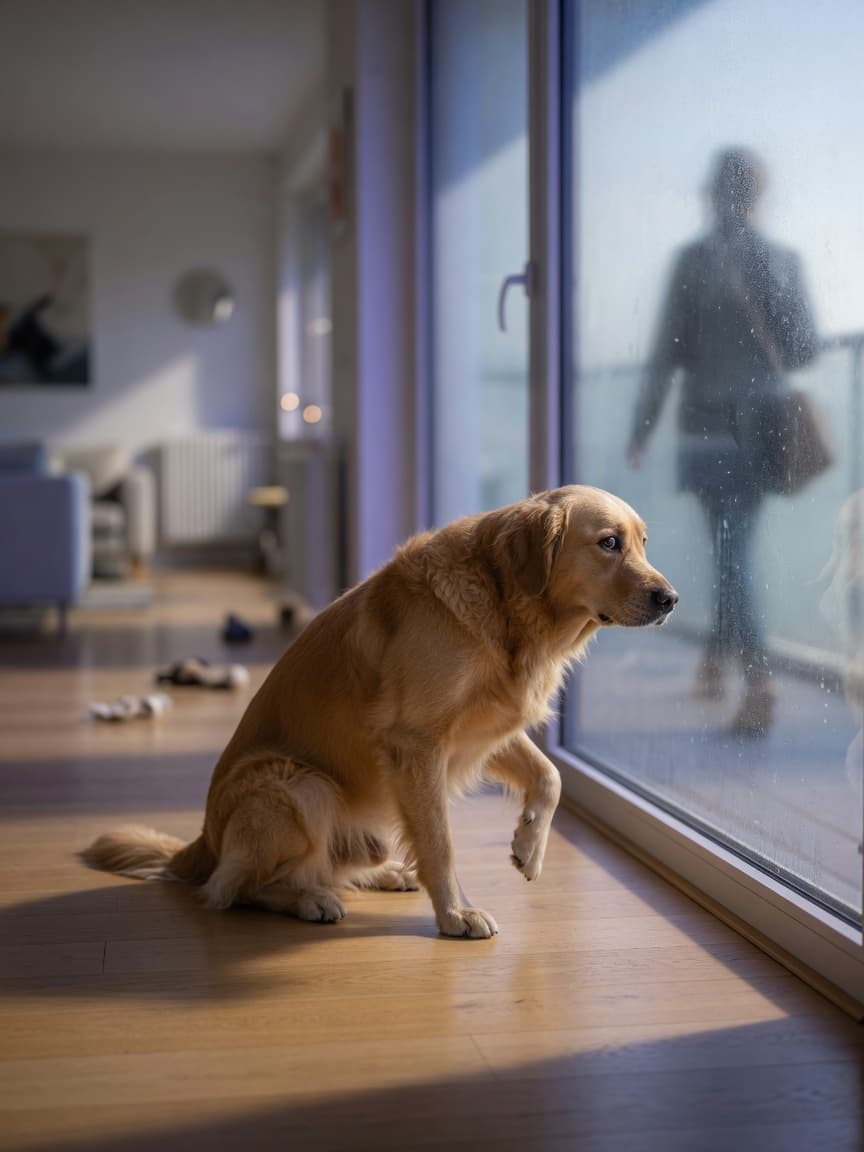
Separation anxiety in dogs is more common than many pet owners realise, affecting millions of dogs across Europe. When your beloved companion becomes distressed at the thought of you leaving—whether for work, shopping, or a night out—it can be heartbreaking to witness and challenging to manage. The good news is that with patience, consistency, and the right strategies, you can significantly reduce your dog's anxiety and help them feel more confident when alone. This guide will walk you through practical, evidence-based approaches to support your anxious pup.
Understanding Separation Anxiety in Dogs
Separation anxiety goes far beyond normal sadness when you leave home. Dogs with this condition experience genuine panic and distress, often exhibiting destructive behaviour, excessive barking, or toilet accidents indoors. The condition can develop due to early life experiences, changes in routine, past trauma, or simply an overly dependent relationship with their owner.
Recognising the signs early is crucial. Common symptoms include:
- Destructive behaviour, particularly near doors or windows
- Excessive barking or howling when alone
- Inappropriate toileting inside the house
- Panting, pacing, or drooling excessively
- Loss of appetite when separated from you
- Attempting to escape or self-injury
Gradual Desensitisation Training
The foundation of helping a dog with separation anxiety is gradual desensitisation. This involves slowly teaching your dog that being alone is safe and manageable. Start with short absences—just a few minutes—and gradually increase the duration over weeks and months.
Begin by leaving your dog alone for just five minutes whilst you step outside. Return before they become distressed, as returning whilst they're panicking reinforces the anxiety. Praise calm behaviour and gradually extend the time away. This process requires patience; rushing it can worsen anxiety.
Creating a Safe Space
Establish a dedicated, comfortable area where your dog feels secure. This might be a specific room, crate, or bed. Fill this space with:
- Comfortable bedding and blankets
- Long-lasting chews or puzzle toys to occupy their mind
- An item of your worn clothing with your scent
- Background noise, such as soft music or a white noise machine
Never force your dog into this space; instead, make it appealing through positive associations. Use treats and praise to encourage them to spend time there voluntarily, even when you're home.
Establishing a Consistent Routine
Dogs thrive on predictability. Establish consistent departure times and return times where possible. Maintain a regular exercise schedule—a well-exercised dog is more likely to rest peacefully when alone. Aim for at least 30-60 minutes of physical activity daily, depending on your dog's age and breed.
Keep departure routines low-key and calm. Avoid making a fuss when leaving or returning, as this can amplify anxiety. Simply put on your shoes and go without lengthy goodbyes.
Professional Support and Additional Strategies
For severe cases, consulting your veterinarian is essential. They may recommend working with a certified animal behaviourist or explore options including:
- Anxiety-reducing supplements containing ingredients like L-theanine or valerian
- Pheromone diffusers designed specifically for dogs
- Calming treats formulated to promote relaxation
- In some cases, prescription medication to support training efforts
Hyperattachment to you may need addressing. Encourage independence by occasionally closing doors between you and your dog, practicing sit-stays in different rooms, and rewarding calm, independent behaviour.
Key Takeaways
Helping your dog overcome separation anxiety requires time, consistency, and compassion. Remember that progress isn't always linear—some days will be better than others. Focus on gradual desensitisation, create a secure environment, maintain routine, and don't hesitate to seek professional help. With dedication to these strategies, most dogs show significant improvement within several weeks to months. Your patience today will gift your dog—and yourself—a calmer, happier future together.