
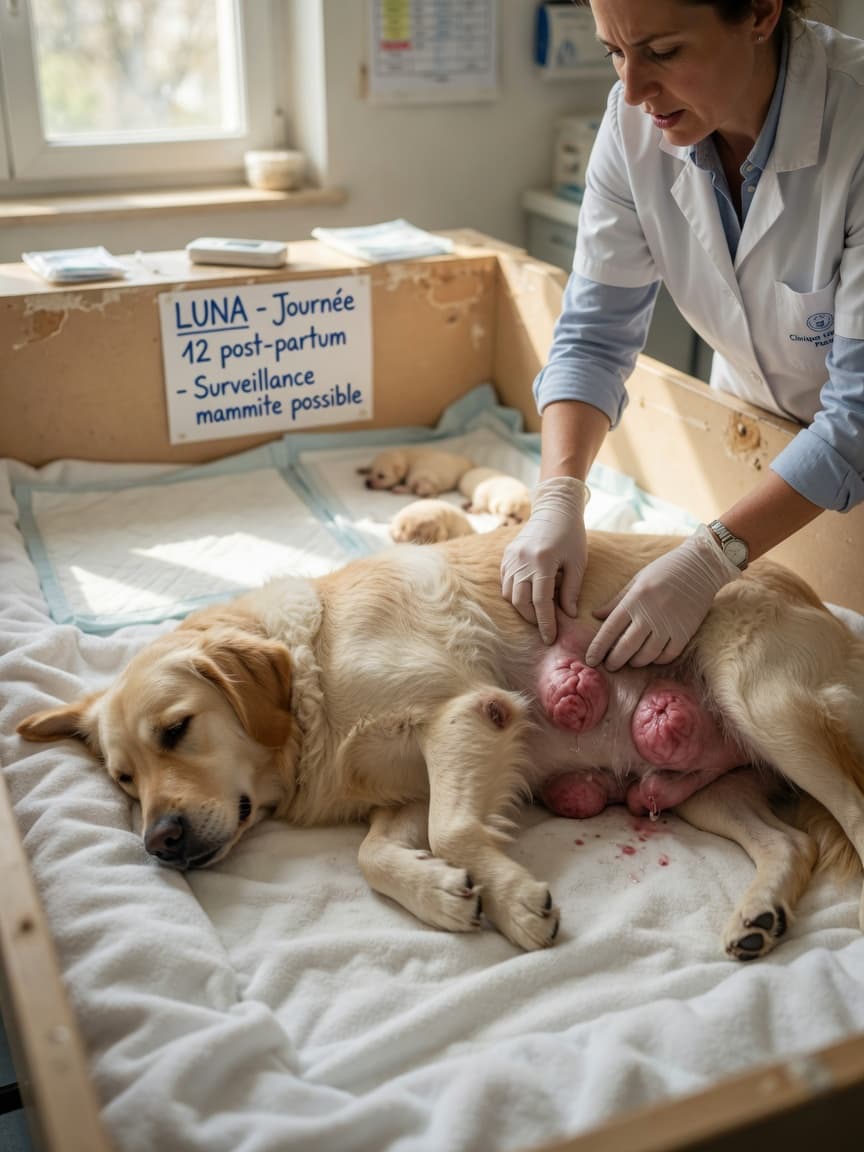
Mastitis is an inflammatory condition of the mammary glands that can cause significant discomfort and health complications in nursing dogs. Whilst often discussed in relation to human health, canine mastitis is a serious condition that affects countless female dogs during lactation. Understanding the causes, symptoms, and treatment options can help you protect your dog's health and ensure her puppies receive proper nutrition during their critical early weeks.
What is Mastitis in Dogs?
Mastitis occurs when one or more of a dog's mammary glands become inflamed, typically due to bacterial infection. This condition most commonly affects lactating females, though it can occasionally occur in non-pregnant dogs. The inflammation disrupts milk production and can cause significant pain, making nursing uncomfortable for both mother and puppies.
There are two main types of canine mastitis: acute mastitis, which develops suddenly with severe symptoms, and chronic mastitis, which develops gradually and may persist for weeks or months.
Causes and Risk Factors
Several factors can increase the likelihood of mastitis developing in your dog:
- Bacterial infection: Staphylococcus and Streptococcus bacteria are the most common culprits, often entering through damaged or cracked teats
- Poor hygiene: Unsanitary whelping conditions create an ideal environment for bacterial growth
- Incomplete milk removal: If puppies don't nurse effectively or frequently enough, milk can accumulate and become infected
- Trauma to the teats: Sharp puppy nails, rough bedding, or aggressive nursing can damage the nipples
- Weak immune system: Stress, poor nutrition, or underlying health conditions can compromise the dog's ability to fight infection
- Previous mastitis: Dogs that have experienced mastitis are at higher risk of recurrence
Recognising the Symptoms
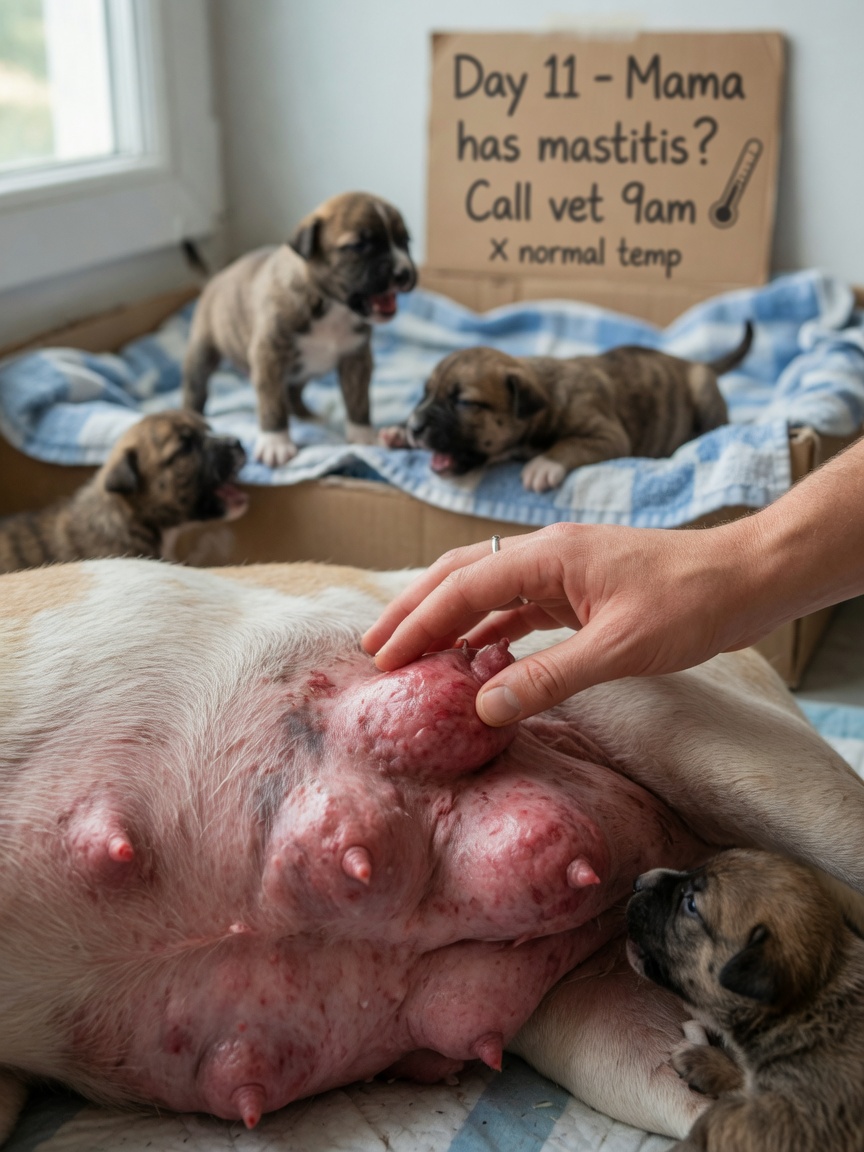
Early detection is crucial for successful treatment. Watch for these warning signs in your lactating dog:
- Swollen, red, or inflamed mammary glands
- Heat or tenderness when you touch the affected glands
- Pain or reluctance to allow puppies to nurse
- Fever and general lethargy
- Discoloured milk (yellow, bloody, or pus-tinged)
- Reduced milk production or complete inability to nurse from affected glands
- Loss of appetite and depression
- Puppies appearing hungry or restless
Treatment and Management
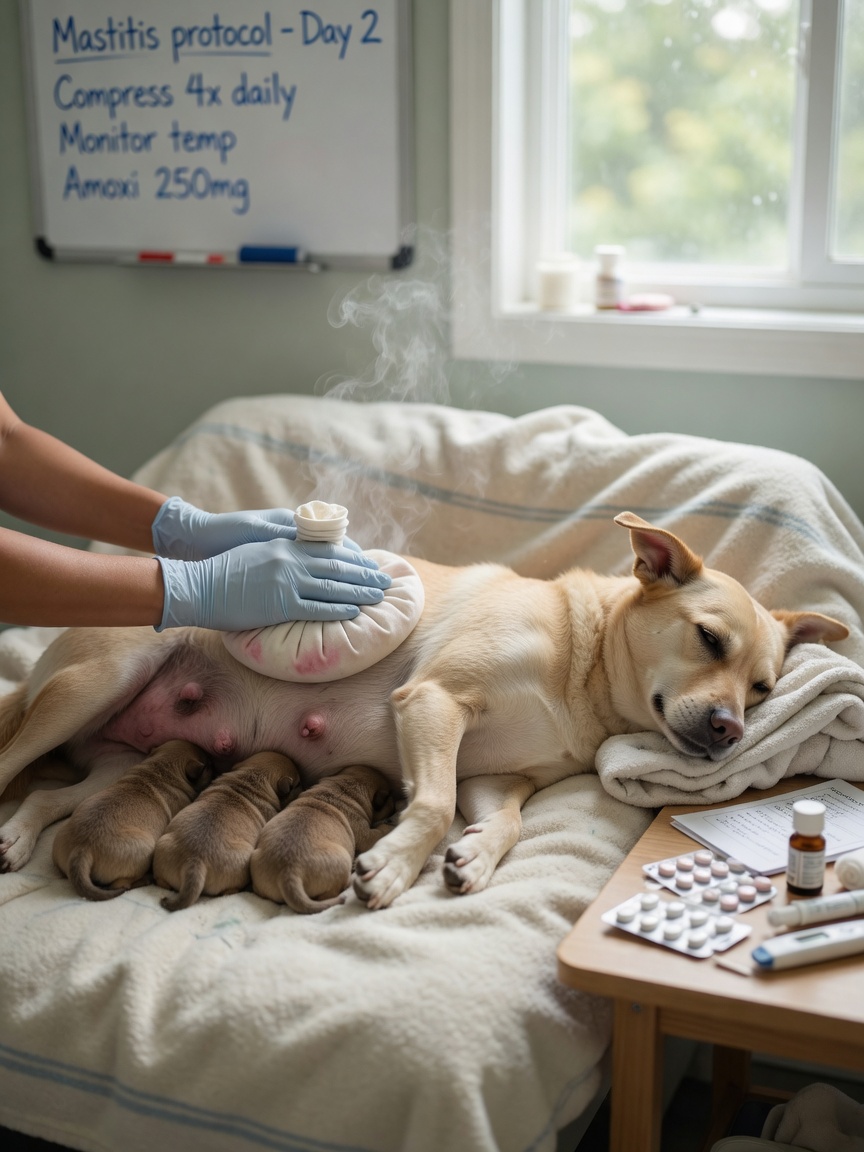
If you suspect mastitis, contact your veterinary surgeon immediately. Your vet may recommend:
- Antibiotics: Usually prescribed for 7-14 days to combat bacterial infection
- Pain relief: Anti-inflammatory medications to reduce discomfort and swelling
- Warm compresses: Applied to affected glands to ease pain and promote milk flow
- Frequent milk expression: Gentle manual expression or allowing puppies to nurse more frequently helps prevent milk accumulation
- Supportive care: Fluids, rest, and nutritional support are essential during recovery
In severe cases where the condition doesn't respond to treatment, affected glands may need to be surgically drained or removed.
Prevention Strategies
Protecting your dog from mastitis begins before she even gives birth:
- Maintain scrupulously clean whelping areas
- Provide soft, clean bedding to prevent teat trauma
- Ensure puppies nurse frequently to promote proper milk removal
- Monitor all mammary glands daily during lactation
- Trim puppies' nails regularly to prevent scratching
- Feed your nursing dog a high-quality, nutrient-rich diet
- Minimise stress during the nursing period
Key Takeaways
Mastitis is a preventable and treatable condition that requires prompt veterinary attention. By maintaining excellent hygiene, ensuring effective nursing, and monitoring your dog's mammary glands daily, you can significantly reduce the risk. If you notice any signs of inflammation, discomfort, or abnormal milk, contact your vet immediately. Early intervention prevents complications and ensures both mother and puppies remain healthy during this critical developmental period.