
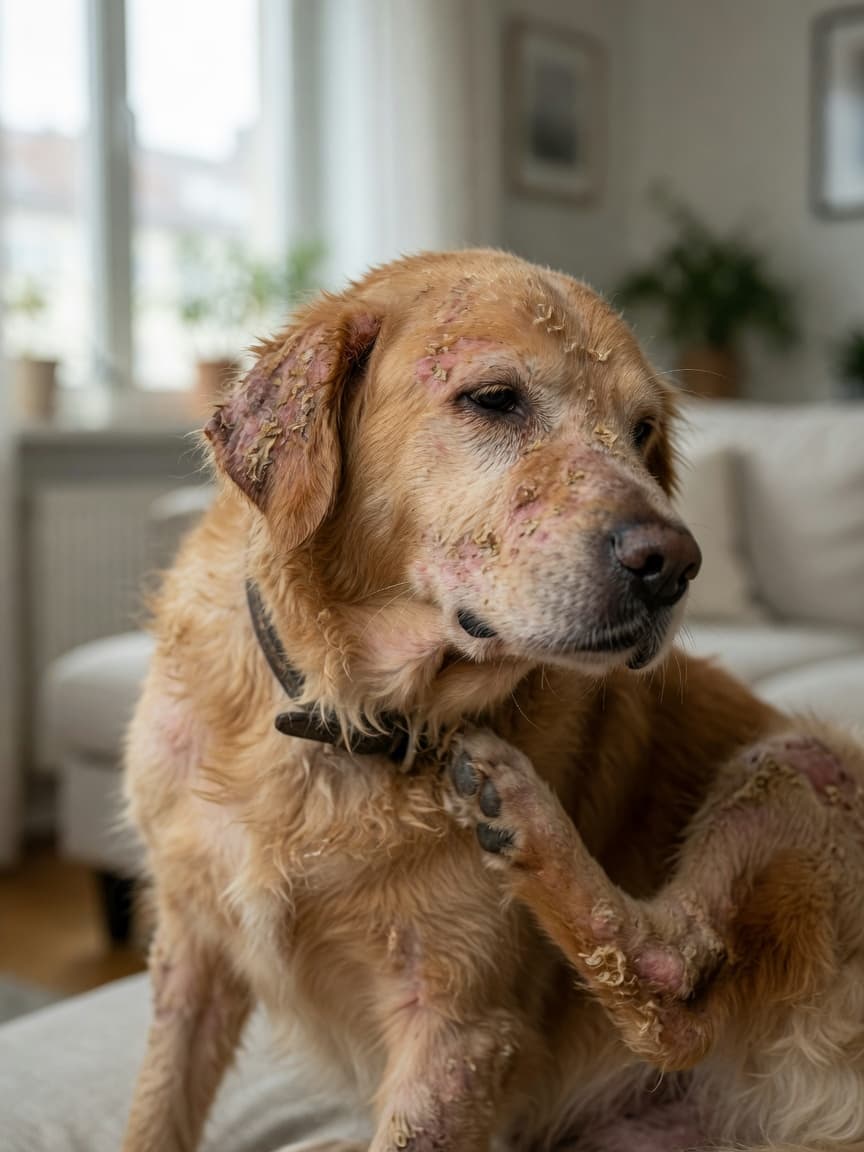
Mange is one of the most distressing skin conditions your dog can develop, causing intense itching, hair loss, and considerable discomfort. If you've noticed your beloved companion scratching excessively or developing bald patches, you're understandably concerned. The good news is that mange is highly treatable when caught early. In this guide, I'll explain exactly what causes this condition, how to recognise the warning signs, and what treatment options are available to restore your dog's comfort and skin health.
What Is Mange and What Causes It?
Mange is a skin disease caused by microscopic mites that burrow into or live on your dog's skin. Two primary types affect dogs: sarcoptic mange and demodectic mange. Both are caused by different mite species and present differently, though both are equally treatable.
Sarcoptic mange, also called scabies, spreads through direct contact with infected animals. These mites are contagious to other dogs and, rarely, to humans. Demodectic mange, caused by Demodex mites, is not contagious—these mites naturally live on all dogs' skin but multiply excessively when your dog's immune system is compromised.
Risk Factors and How Dogs Contract Mange

Certain factors increase your dog's susceptibility to developing mange:
- Weakened immunity: Stress, illness, poor nutrition, or certain medications suppress immune function
- Contact with infected animals: Particularly relevant for sarcoptic mange
- Age: Puppies and senior dogs are more vulnerable
- Genetics: Some breeds show hereditary predisposition to demodectic mange
- Crowded living conditions: Shelters, kennels, and multi-dog households increase transmission risk
Recognising the Signs of Mange
Early detection significantly improves treatment outcomes. Watch for these warning signs:
- Intense, persistent itching and scratching
- Hair loss, particularly around the face, ears, elbows, and legs
- Red, inflamed skin and scaly patches
- Crusty or thickened skin
- Secondary bacterial infections causing odour
- Behavioural changes such as restlessness or anxiety
Sarcoptic mange typically causes rapid onset symptoms, whilst demodectic mange develops more gradually. Both require veterinary diagnosis through skin scrapings or biopsies to identify the specific mite type.
Treatment Options Your Vet May Recommend
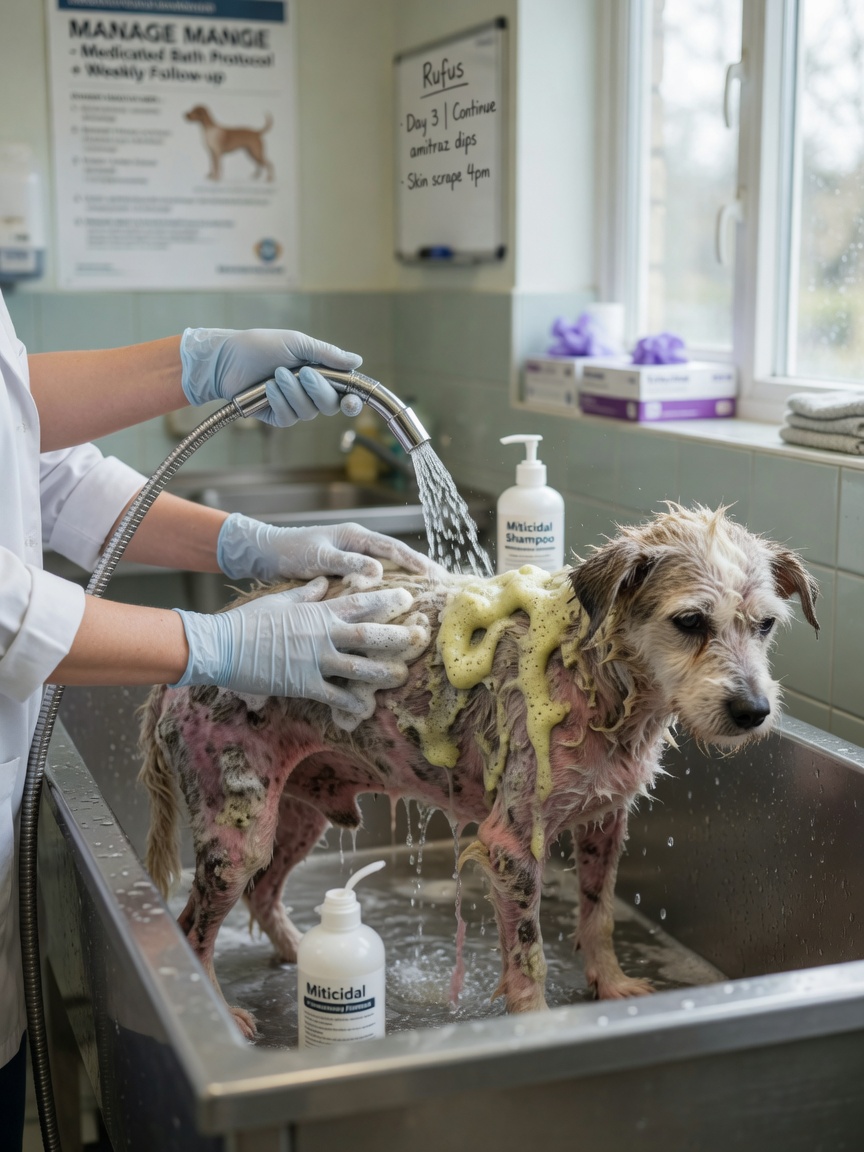
Once your vet confirms mange, treatment depends on the type and severity. Standard approaches include:
- Medicated baths: Miticidal shampoos applied weekly or fortnightly
- Injectable treatments: Prescription medications administered by your vet
- Oral medications: Antiparasitic tablets given over several weeks
- Topical treatments: Spot-on solutions applied directly to skin
- Antibiotics: To manage secondary bacterial infections
- Dietary support: Nutritional adjustments to strengthen immune function
Treatment duration varies but typically continues for 4-8 weeks. Your vet will schedule follow-up appointments and repeat skin scrapings to confirm cure.
Prevention and Home Care
Preventing mange is far easier than treating it. Maintain regular grooming, provide high-quality nutrition, and minimise stress wherever possible. Ensure your dog receives appropriate parasite prevention as recommended by your vet. If your dog has been diagnosed, isolate them from other pets temporarily, wash all bedding in hot water, and disinfect shared spaces.
Key Takeaways
Mange is a manageable condition when addressed promptly. If you notice excessive scratching or skin changes, book a veterinary appointment immediately for proper diagnosis. Treatment success depends on early intervention and consistent care. Work closely with your vet throughout treatment, attend all follow-up appointments, and maintain excellent home hygiene. With proper treatment and supportive care, your dog's skin health will improve considerably within weeks.
```