
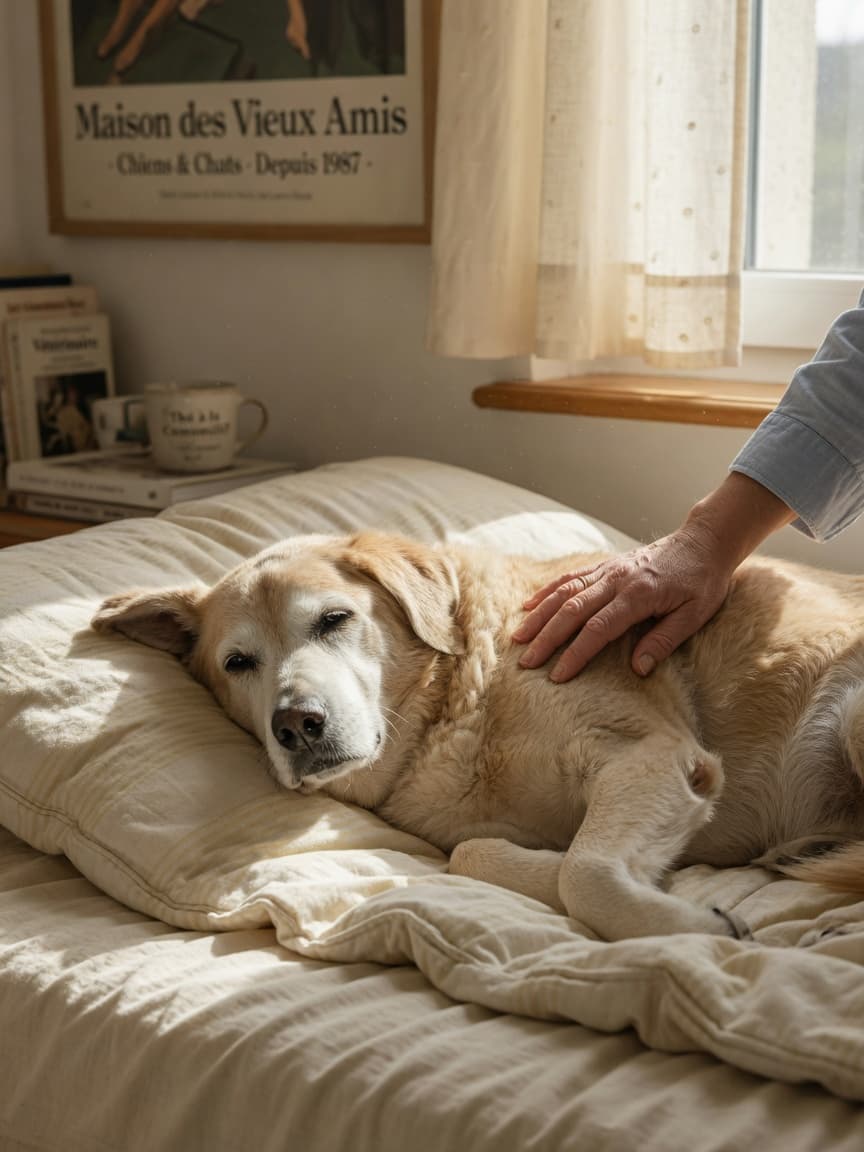
Choosing Where Your Pet Spends Their Final Moments
When a beloved pet reaches the end of their life, one of the most meaningful decisions you can make is where that final moment takes place. Home euthanasia has become increasingly available across the UK, and for many families it offers a quieter, more personal alternative to a clinical veterinary setting. Understanding what the process actually involves can help you feel more prepared and less afraid of it.
A veterinary surgeon must perform euthanasia in the UK — it is not something that can be done at home without professional involvement. However, a growing number of vets now offer home visit services specifically for this purpose, and some practices work alongside dedicated end-of-life services that specialise in exactly this kind of care.
What Actually Happens During the Procedure
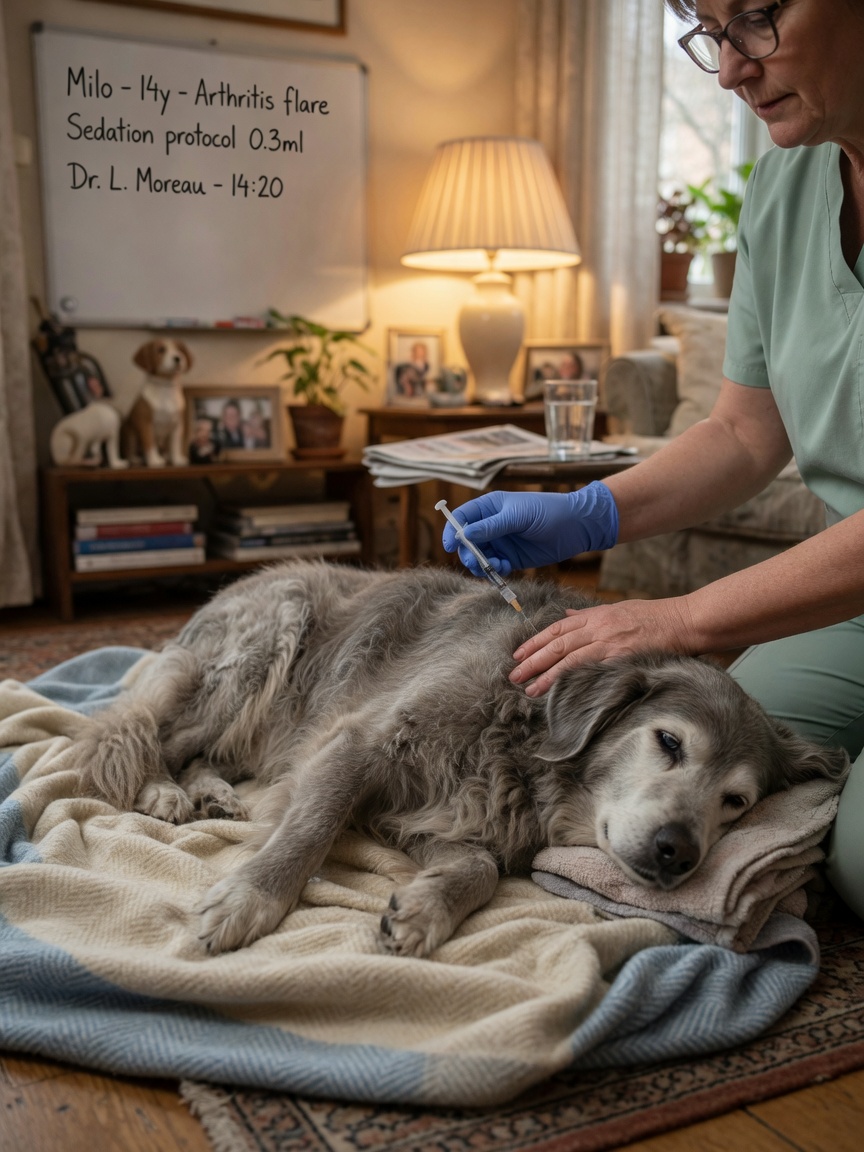
The process itself is gentle and typically takes only a few minutes. The vet will usually administer a sedative first, either by injection or in some cases orally, which allows your pet to become deeply relaxed or fully unconscious before the final medication is given. This sedation phase is important — it means your pet is not aware of what follows, and any anxiety or discomfort they may feel from the needle is minimised or eliminated entirely.
Once your pet is fully sedated, the vet administers an overdose of a barbiturate drug, most commonly pentobarbital. This works by rapidly depressing the central nervous system. The heart stops within seconds to a couple of minutes. Your pet will not feel pain. Breathing simply ceases, and it is over.
You may notice some physical responses after death that can be startling if you are not expecting them. Muscle twitches, a final exhale, or eyes remaining open are all normal and do not indicate distress. Understanding these possibilities in advance makes them far less alarming in the moment.
How to Prepare Your Home
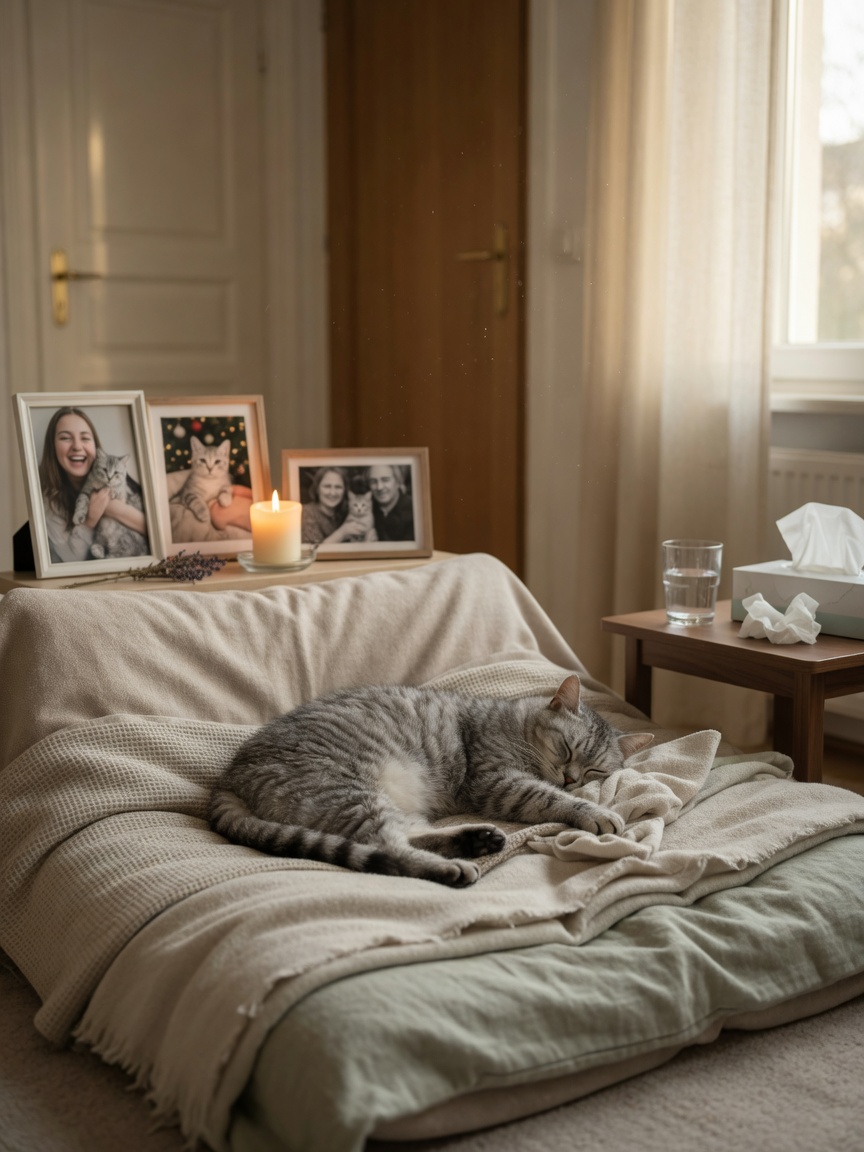
Preparation makes a genuine difference to how the experience feels. Think about where your pet is most comfortable — their favourite blanket, their usual sleeping spot, or a quiet corner of the garden if the weather allows and your vet agrees. Having familiar smells and surroundings around them is calming for animals who are already fragile.
- Choose a comfortable, low-traffic room where you can close the door and minimise noise
- Lay out your pet's favourite bedding or a soft blanket in advance
- Have tissues and a glass of water nearby for yourself
- Decide in advance who will be present — children, other household members, and whether other pets should be there
- Arrange what will happen to your pet's body before the appointment, so you are not making decisions in grief
It is entirely appropriate to hold your pet throughout the procedure if you wish to. Many owners find this deeply comforting for both themselves and their animal. The vet will guide you gently and will not rush you.
Including Children and Other Pets
Whether to include children is a deeply personal decision. Many child psychologists suggest that allowing children to be present — if they wish to be and are given an honest, age-appropriate explanation — can help them process grief more healthily than being excluded from the event. You know your child best.
As for other pets in the household, some behaviourists recommend allowing surviving animals to briefly encounter the body of a deceased companion. Dogs and cats do appear to have some understanding of death, and unexplained disappearances can lead to anxious searching behaviour. There is no definitive scientific consensus on this, but it is worth discussing with your vet.
Practical Arrangements to Sort Beforehand
Contacting a home euthanasia vet in advance is strongly recommended — ideally before you are in crisis, if your pet has a terminal diagnosis. Availability can vary, and having a plan in place means you are not scrambling when your pet deteriorates quickly.
Ask your vet directly about the following:
- What is included in the fee, and whether sedation is standard or an add-on
- How much time is allowed before and after the procedure
- Whether they will handle aftercare arrangements or whether you need to organise collection separately
- What to do if your pet deteriorates outside of hours
Costs for home euthanasia in the UK typically range from £150 to £350 depending on your location and the service provider. It is more expensive than in-clinic euthanasia, but many owners feel the difference in experience justifies that cost entirely.
Giving Yourself Permission to Grieve
Once the vet has left and the house is quiet, the grief will likely hit hard. That is exactly as it should be. Losing a pet is a genuine bereavement — the depth of your attachment does not depend on whether your loved one had four legs or two. Be patient with yourself in the hours and days that follow.
Some people find comfort in creating a small ritual immediately after: lighting a candle, taking a few photographs if they feel ready, or simply sitting quietly with their pet's belongings for a while. There is no correct way to manage this moment. What matters is that your pet left the world feeling safe, loved, and at home — and that is something you gave them.