
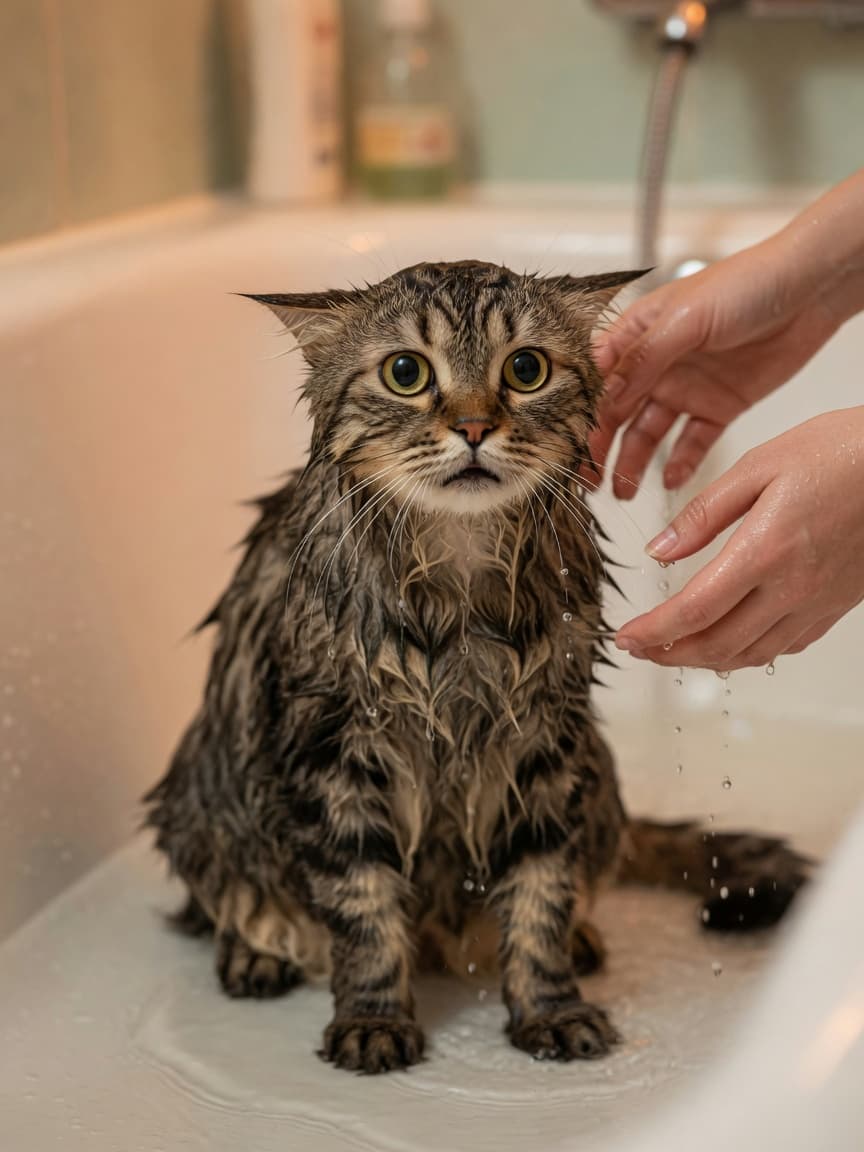
If you've ever attempted to bathe your cat or watched them frantically avoid a raindrop, you've witnessed one of the most peculiar feline behaviours. Cats' notorious aversion to water baffles many pet owners, particularly those who've grown up with water-loving dogs. Yet this dislike isn't simply stubbornness or spite—it's rooted in biology, evolution, and instinct. Understanding why your cat despises water can help you manage grooming, reduce stress during necessary baths, and ultimately deepen your bond with your feline companion.
The Evolutionary Explanation
Unlike dogs, which descended from wolves that frequently hunted in water, domestic cats evolved from African wildcats that inhabited arid environments. These ancestors rarely encountered large bodies of water in their natural habitats, so cats never developed the physiological or psychological adaptations for swimming and water exposure that dogs possess. This evolutionary history means your cat's water aversion isn't learned behaviour—it's hardwired into their DNA.
Most wild cats today, such as leopards and jaguars, are excellent swimmers when necessary, but they avoid water when possible and only enter it deliberately to hunt or cross obstacles. Domestic cats have inherited this preference for staying dry.
Coat Structure and Temperature Regulation
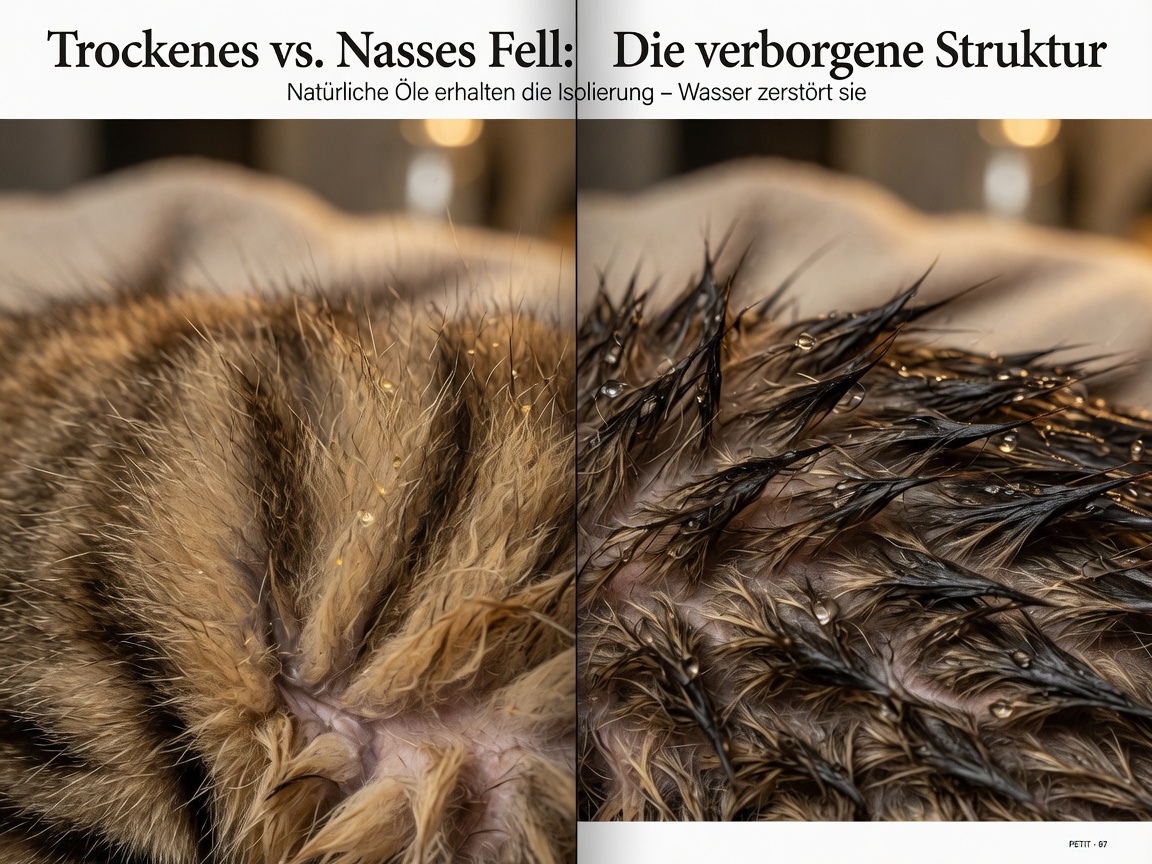
A cat's fur is fundamentally different from a dog's coat. Unlike water-resistant dog fur, cat hair lacks the proper oil distribution and density to repel water effectively. When wet, a cat's fur becomes heavy and loses its insulating properties, making it nearly impossible for them to regulate their body temperature properly.
Water penetrates to the skin, leaving your cat feeling cold, uncomfortable, and vulnerable. The sensation of being wet can take hours to fully dry, extending this period of discomfort and distress. This explains why cats groom themselves obsessively after any water contact—they're attempting to restore their coat's insulating properties and regain control of their temperature.
Loss of Control and Vulnerability
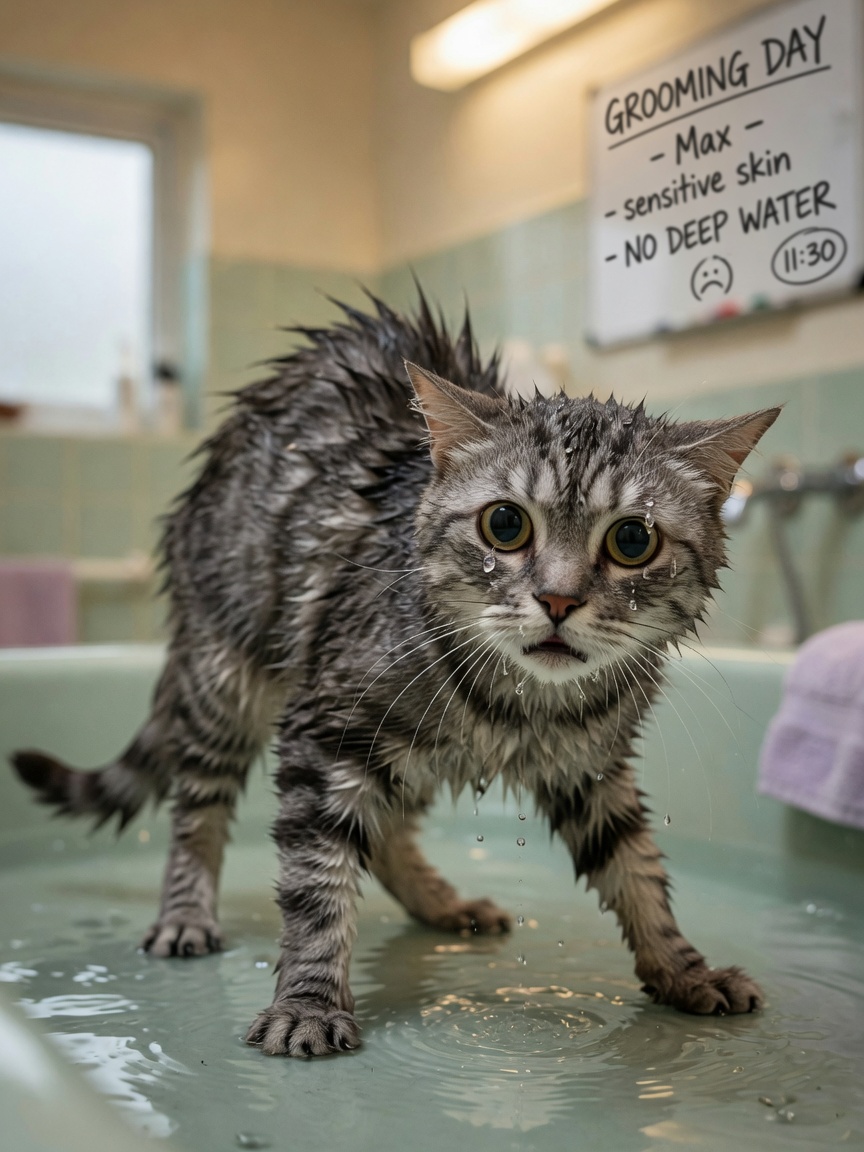
Cats are naturally independent, territorial animals who highly value control over their environment. Water creates an unpredictable situation that removes this sense of control. They cannot see clearly through water, their movements become restricted, and they feel vulnerable—a sensation that triggers stress and fear responses.
Additionally, cats rely heavily on their sense of smell. Water interferes with scent perception and removes their own scent markings, which creates anxiety and disorientation. This loss of sensory input is genuinely distressing for feline minds.
Sensory Sensitivity
Cats possess highly sensitive skin and fur. The sensation of water hitting their body feels overwhelming and unpleasant to them. Water in the ears, nose, or mouth is particularly distressing and can trigger panic responses. Even the sound of running water can startle cats and create negative associations with bathing.
Practical Tips for Managing Water-Related Situations
- Minimise bathing: Most cats are naturally clean and rarely need bathing. Only bathe when genuinely necessary, such as after encountering hazardous substances
- Use warm water: If bathing is essential, use comfortably warm (not hot) water to reduce the temperature shock
- Keep water away from sensitive areas: Avoid pouring water over the head and face; use a damp cloth instead
- Gradual acclimatisation: Start with shallow water and positive reinforcement to help anxious cats adjust over time
- Dry thoroughly: Use towels and ensure complete drying to prevent discomfort and illness
- Consider alternatives: Waterless shampoos and grooming services can substitute for traditional baths
Key Takeaways
Your cat's water aversion is completely natural and deeply ingrained. Rather than fighting this instinct, respect your cat's needs by minimising unnecessary water exposure and creating positive associations when water contact is unavoidable. Remember that a stressed cat is an unhappy cat, so patience, gentle handling, and understanding will help you both navigate these challenging situations more successfully.