

Golden Retriever Health: Cancer Risk, Joints & Nutrition
Updated June 2026
- Lifespan: 10–12 years
- Top Health Risks: Cancer (hemangiosarcoma, lymphoma, mast cell tumour, osteosarcoma), hip dysplasia, subvalvular aortic stenosis, ichthyosis
- Genetic Tests Recommended: OFA hip/elbow, cardiac OFA, ichthyosis DNA test, PRA-prcd DNA test
Golden Retrievers are cherished worldwide for their warmth, intelligence, and gentle nature. They are among the most popular breeds for families, therapy work, and guide dog programmes. Yet Goldens carry a sobering cancer burden that no responsible owner should overlook — studies indicate that over 60% of Golden Retrievers in North America die of cancer, a rate significantly higher than most other breeds. Understanding what drives this risk, alongside the breed's other common health concerns, empowers owners to make informed decisions throughout their dog's life.
Most Common Health Problems in Golden Retrievers
Cancer dominates the Golden Retriever health conversation, with hemangiosarcoma, lymphoma, mast cell tumours, and osteosarcoma being the most frequently diagnosed types. Hip and elbow dysplasia are also prevalent, affecting a significant proportion of the population. Subvalvular aortic stenosis (SAS), a congenital heart defect, is the most important cardiac condition in the breed. Skin conditions including ichthyosis and allergic dermatitis cause considerable discomfort, and hypothyroidism becomes increasingly common in middle-aged dogs. The Morris Animal Foundation's Golden Retriever Lifetime Study — one of the most ambitious prospective veterinary studies ever conducted — continues to generate invaluable data on these conditions.
Cancer: Understanding the Elevated Risk

The Golden Retriever's extraordinary cancer rate appears to involve a combination of genetic factors, epigenetic influences, and environmental exposures that researchers are still working to untangle. Hemangiosarcoma, a malignant tumour arising from blood vessel cells, most commonly affects the spleen, heart, and liver, and carries a poor prognosis — median survival after diagnosis is often measured in weeks to months even with surgery and chemotherapy. Lymphoma is more treatable, with remission achievable in many cases through multi-agent chemotherapy protocols. Mast cell tumours vary widely in grade; low-grade tumours can often be cured with surgery alone. Osteosarcoma, arising in long bones, is painful and typically requires limb amputation followed by chemotherapy. Regular physical examinations including lymph node palpation, abdominal ultrasound from age six, and awareness of early warning signs (unexplained weight loss, lumps, lethargy, respiratory changes) are the best tools owners currently have for early detection.
Hip and Elbow Dysplasia
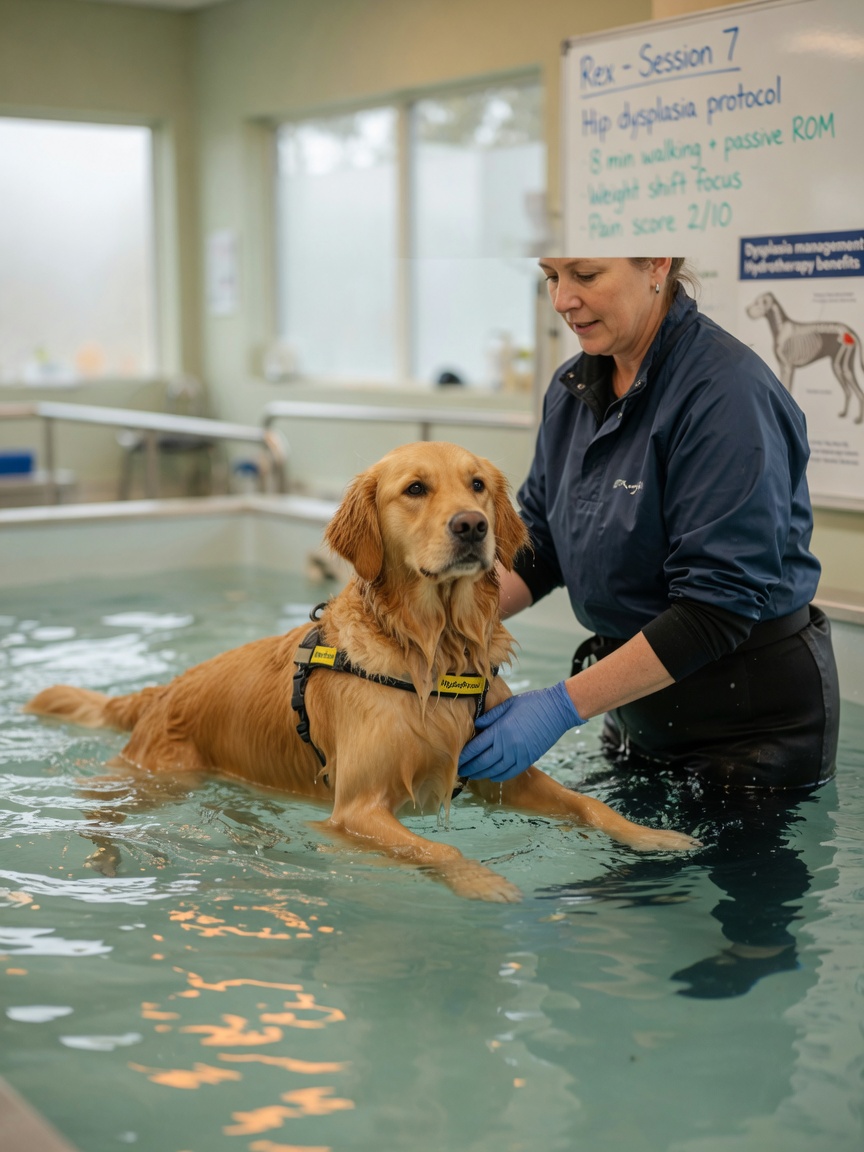
Golden Retrievers rank among the top breeds for hip dysplasia prevalence. OFA data consistently shows that approximately 20% of evaluated Goldens have dysplastic hips. Elbow dysplasia, particularly fragmented coronoid process, is also frequently diagnosed. These conditions cause chronic pain and progressive arthritis that significantly impairs quality of life without proactive management. Owners should request OFA certifications from both parents, avoid overfeeding puppies (rapid growth worsens joint development), limit high-impact exercise on hard surfaces during the first 18 months, and maintain lean body condition throughout life. Physical rehabilitation, including hydrotherapy and targeted strengthening exercises, provides measurable benefit for dogs with established arthritis.
Subvalvular Aortic Stenosis (SAS)
SAS is a congenital narrowing just below the aortic valve that forces the heart to work harder to pump blood. Mild cases may go undetected for years, while severe SAS carries a risk of sudden cardiac death, particularly during exercise. A murmur detected during a puppy's first examination should prompt referral to a veterinary cardiologist for echocardiography. Breeding dogs should have annual cardiac evaluations through a programme such as OFA Cardiac or BVA/KC Heart. Dogs with significant SAS should have their exercise restricted and may be managed with beta-blockers, though the evidence for improved outcomes with medication in dogs is mixed.
Prevention and Proactive Care
While cancer cannot currently be prevented, several strategies may reduce risk or improve outcomes. Maintaining a healthy body weight is associated with reduced cancer incidence across species. Antioxidant-rich diets and minimising exposure to environmental carcinogens (pesticides, tobacco smoke, certain household chemicals) are sensible precautions. Spaying and neutering decisions are complex for Golden Retrievers specifically — research from UC Davis suggests that early spay/neuter may increase the risk of certain cancers and joint disorders, and this should be discussed with your veterinarian on an individual basis.
Recommended Supplements for Golden Retrievers
Omega-3 fatty acids (fish oil, 40–55 mg/kg EPA+DHA daily) have anti-inflammatory effects relevant to joint disease and may have modest anti-tumour properties based on in vitro and rodent studies. Joint supplements with glucosamine and chondroitin are appropriate for Goldens showing early signs of hip pain. Antioxidant supplements including vitamin E and selenium should only be given under veterinary guidance, as excessive amounts can be harmful. For senior Goldens, a joint-supportive diet with added omega-3s and appropriate protein levels is preferable to standard adult maintenance food.
Some owners report benefits from CBD oil for joint discomfort — always discuss with your vet first and choose a THC-free product like Candid Tails.
For high-quality breed-specific nutrition and supplements, browse the selection at Zooplus — one of Europe's leading pet supply retailers.
Key Takeaways
- Over 60% of Golden Retrievers die of cancer — regular screening from age six is strongly recommended.
- Hip dysplasia affects approximately 1 in 5 Goldens; OFA certification of both parents is the most important preventive step.
- Subvalvular aortic stenosis requires cardiac screening — a murmur in a puppy should prompt specialist referral.
- Spay/neuter timing in Goldens is complex and affects both cancer and joint disease risk — discuss timing individually with your vet.
- Omega-3 supplementation and lean body weight support both joint health and general immune function in this breed.
References
- Ru G, Terracini B, Glickman LT. Host related risk factors for canine osteosarcoma. Vet J. 1998;156(1):31-39. PMID: 9691856
- Torres de la Riva G, Hart BL, Farver TB, et al. Neutering dogs: effects on joint disorders and cancers in golden retrievers. PLoS One. 2013;8(2):e55937. PMID: 23418479