
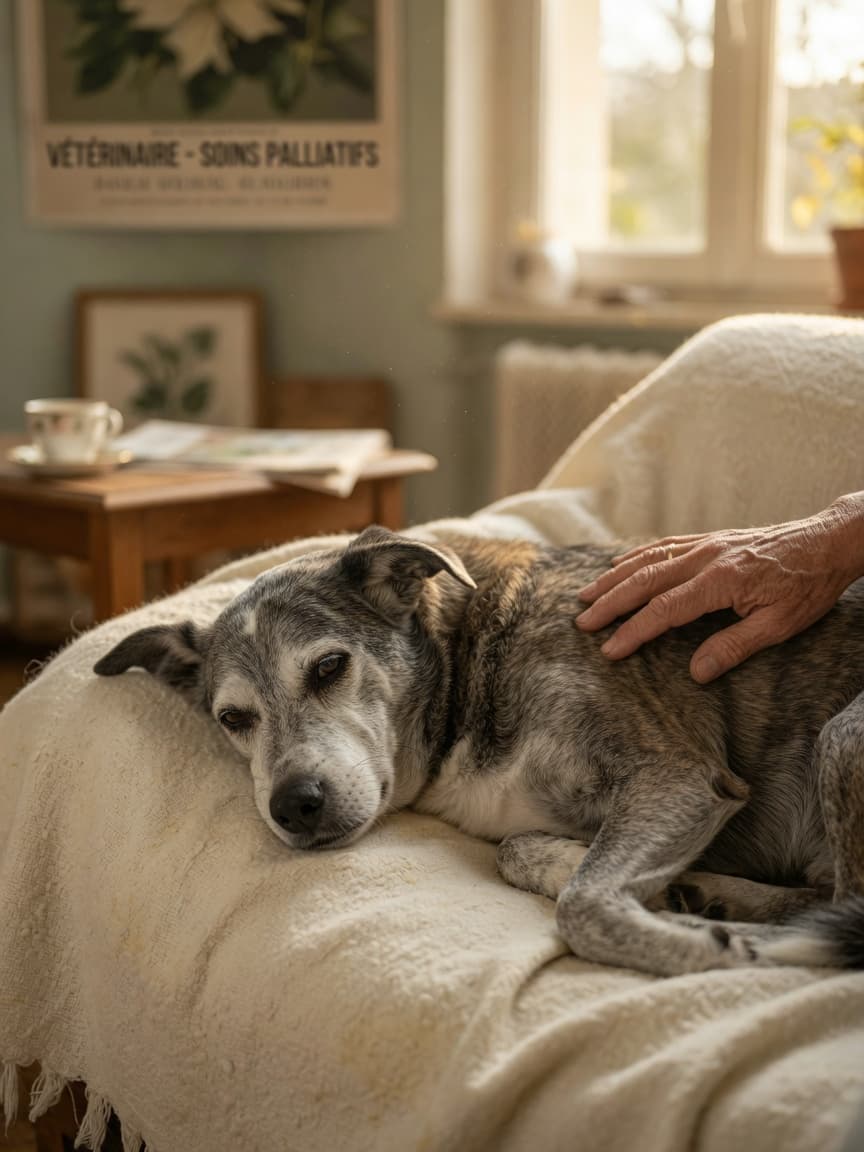
The Hardest Decision a Pet Owner Will Ever Make
Most pets will die in their owner's arms rather than in their sleep at a ripe old age. That means most pet owners will, at some point, be asked — or will ask themselves — whether it is time to let their animal go. It is one of the most profound responsibilities that comes with caring for another living creature, and it is almost never straightforward.
Understanding what euthanasia actually involves, and having a framework for making the decision, can help you approach this moment with clarity and compassion rather than fear.
What Euthanasia Involves: The Clinical Reality
The word euthanasia comes from the Greek for "good death." In veterinary practice, it refers to the administration of a controlled substance — typically an overdose of a barbiturate called pentobarbital — that causes rapid, painless loss of consciousness followed by cardiac arrest. Death occurs within seconds to minutes.
What to expect during the procedure
Your vet will typically place a catheter in your pet's front leg. In most cases, a sedative is administered first, allowing your pet to become deeply relaxed before the final injection. This sedation step, increasingly standard in UK practice, means your animal is not distressed or frightened. After the main injection, breathing stops quickly and peacefully.
Some owners are surprised to find that their pet's eyes remain open. Muscles may occasionally twitch. These are physiological responses and do not indicate distress. Your vet can prepare you for what you may observe.
Where euthanasia can take place
Most euthanasias happen at a veterinary clinic, but home visits are increasingly available and many owners find them preferable — your pet can be in familiar surroundings, on their favourite blanket, without the stress of travel. Home visits do typically incur an additional charge, so it is worth asking your vet about availability and cost.
Who Can Be Present
You have the right to be with your pet during euthanasia, and most vets actively encourage it. You can bring other family members, including children, if you feel it is appropriate. You are also entitled to privacy and time with your pet's body afterwards. Do not feel rushed — a compassionate vet practice will make space for this.
If you feel you cannot be present without becoming severely distressed, that is also a valid choice. Arrange for someone your pet trusts to be with them, and give yourself permission to say goodbye beforehand.
Making the Decision: Quality of Life Frameworks
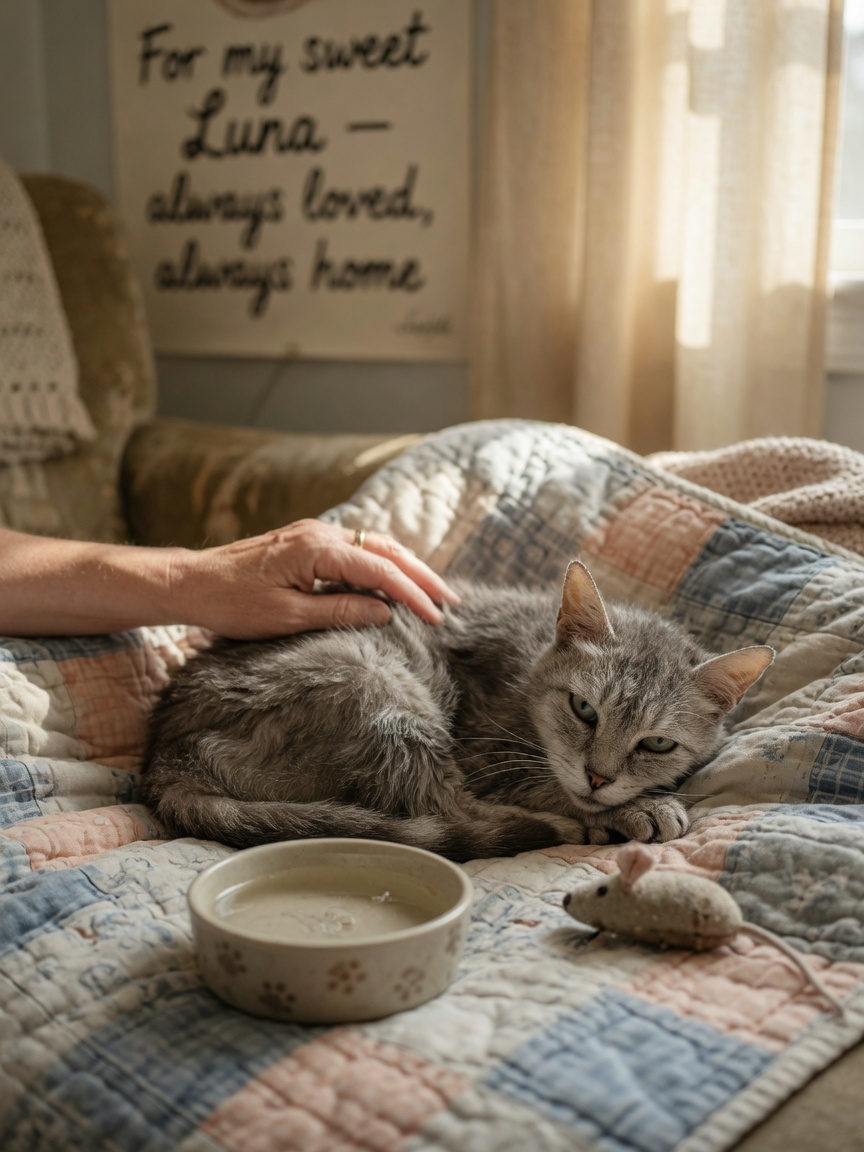
There is no objective test that tells you it is time. But there are structured frameworks that help owners think clearly when emotion makes clear thinking difficult.
The HHHHHMM scale
Developed by veterinary oncologist Dr Alice Villalobos, the HHHHHMM scale assesses seven factors: Hurt, Hunger, Hydration, Hygiene, Happiness, Mobility, and More good days than bad. Each is scored out of ten. While a numerical score cannot make the decision for you, the process of working through each factor helps bring objectivity to a deeply emotional moment.
Questions worth asking your vet
- Is my pet in pain that cannot be adequately managed?
- Is my pet able to eat and drink without significant difficulty?
- Does my pet still experience moments of pleasure, comfort, or engagement?
- What is the realistic trajectory from here — days, weeks, months?
- Am I extending life, or am I extending suffering?
Your vet is your most important partner in this conversation. Do not hesitate to ask them directly what they would do in your position.
Guilt, Doubt, and the Myth of the "Right" Moment
Many owners experience profound guilt after choosing euthanasia, regardless of the circumstances. This is normal and does not mean you made the wrong decision. The most common expression of this guilt is "I did it too soon" — yet veterinary professionals will often tell you that the greater risk in practice is waiting too long.
Acting before your pet has exhausted all possibility of joy is not a failure of love. It is, in many cases, the most loving act available to you. The fact that you are agonising over this decision is itself evidence of how much your animal means to you.
After the Procedure: Immediate Practicalities
You will need to make arrangements for your pet's body before or shortly after the procedure. Options include cremation, burial, and natural burial — your vet can advise on local providers. Many practices will handle the initial transfer of the body on your behalf.
You do not need to make all these decisions on the day. It is reasonable to ask your vet to keep your pet's body for a day or two while you decide.
A Practical Checklist for the Day
- Call your vet in advance to discuss sedation options and what to expect
- Decide who will be present and brief them on what they may see
- Bring your pet's favourite blanket or toy for comfort
- Consider a home visit if travel would distress your pet
- Ask your vet any questions you have — there are no wrong questions
- Arrange time after the appointment to rest and process, rather than returning immediately to work
- Give yourself permission to feel whatever you feel