
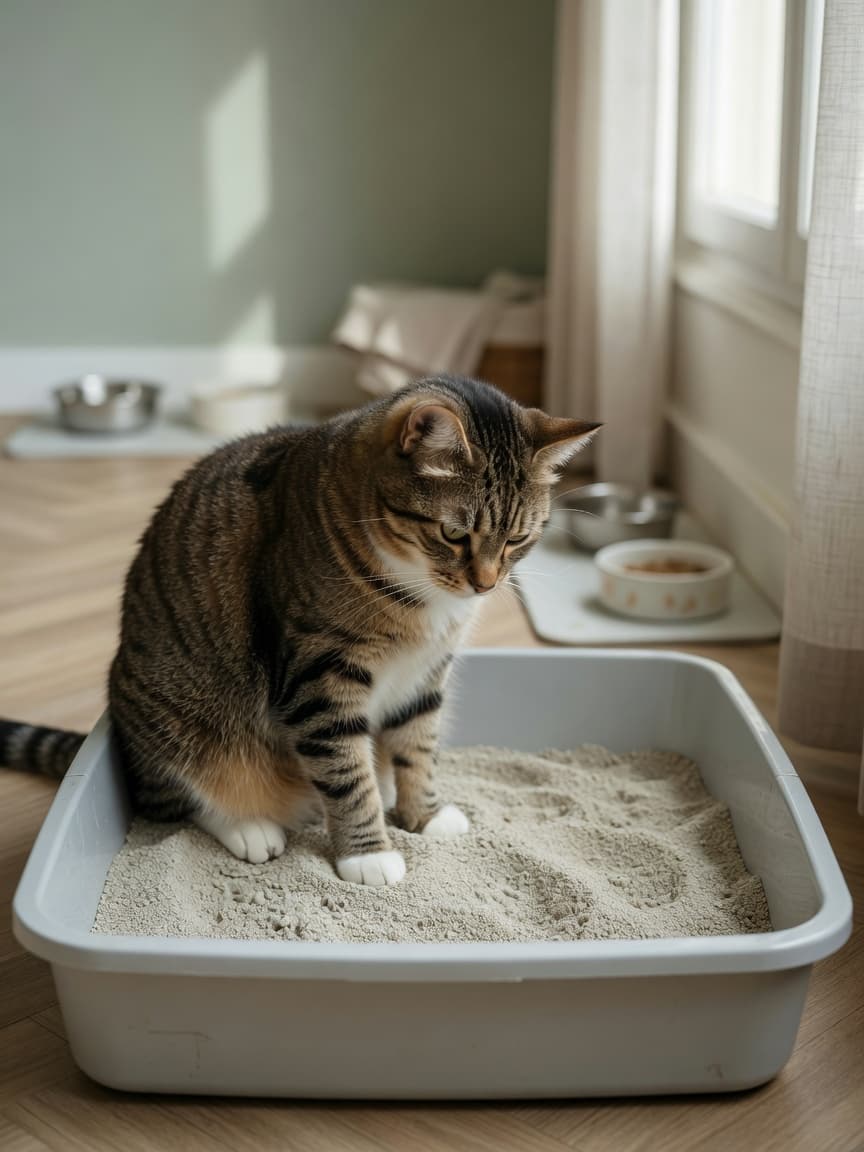
Litter box issues are amongst the most frustrating challenges cat owners face, yet they're also one of the most solvable. Whether your feline friend is avoiding the box entirely, having accidents outside it, or displaying other concerning behaviours, there's usually a straightforward explanation and a practical solution. As a certified animal nutritionist, I've worked with countless cat owners to troubleshoot these problems, and I'm here to share evidence-based strategies that truly work.
Understanding Why Cats Avoid the Litter Box
Before addressing solutions, it's crucial to understand that cats don't misbehave out of spite or laziness. When a cat stops using their litter box consistently, it's a communication signal. Medical issues, stress, environmental changes, or dissatisfaction with the box itself are common culprits. The first step is always a veterinary consultation to rule out urinary tract infections, kidney disease, digestive issues, or other health concerns that might cause inappropriate elimination.
The Litter Box Setup: Getting the Basics Right
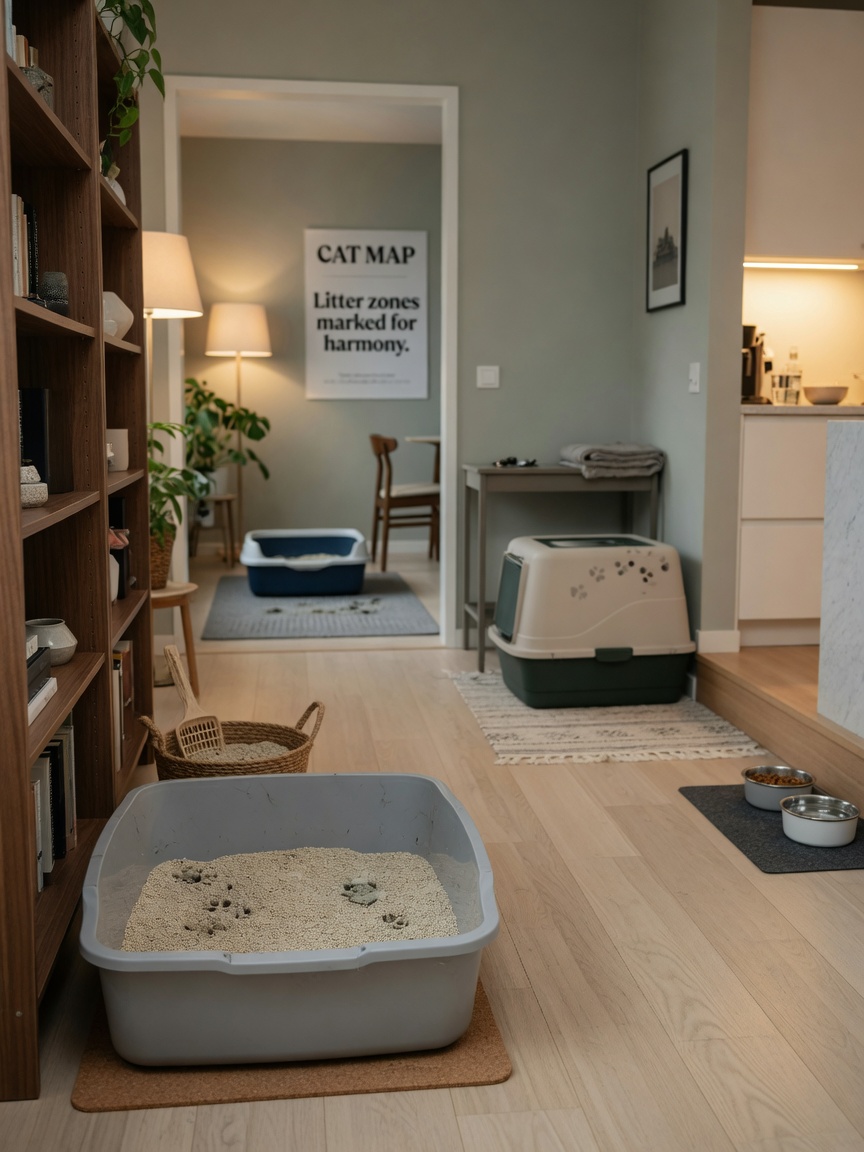
Many litter box problems stem from simple environmental factors. Cats are particular creatures with specific preferences about their toileting areas.
- Box quantity: The golden rule is one box per cat, plus one extra. So if you have two cats, you need three boxes distributed throughout your home.
- Box placement: Position boxes away from food and water bowls, in quiet, accessible locations. Avoid placing them near washing machines or noisy appliances that might startle your cat.
- Size matters: Your litter box should be at least one and a half times the length of your cat. Cramped spaces discourage use, particularly for larger or older cats.
- Accessibility: Ensure elderly or arthritic cats can easily access their boxes. Low-sided boxes may be necessary for cats with mobility issues.
- Privacy: Covered boxes appeal to some cats but stress others. If your cat seems anxious, try an uncovered box instead.
Litter Type and Cleanliness
Cats develop strong preferences for their litter substrate. If you've recently changed brands or types, this might explain sudden avoidance. Many cats prefer fine-textured, unscented litter that resembles natural sand.
Cleanliness is non-negotiable for most cats. Scoop daily, and completely change litter weekly. A soiled box is a primary reason cats seek alternative toileting locations. Some cats are so particular about cleanliness that they'll only use a freshly scooped box, so consider increasing scooping frequency if problems persist.
Stress and Environmental Factors
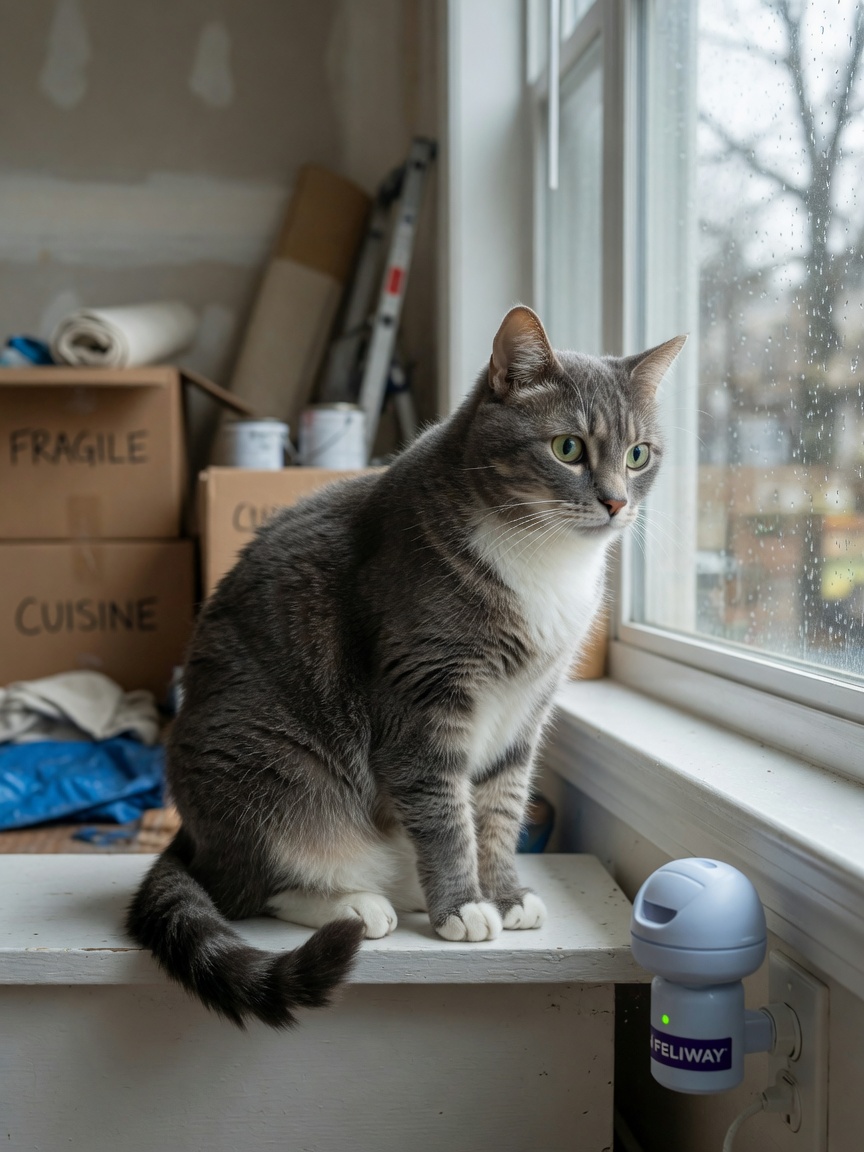
Changes in your home environment—new pets, house moves, family disruptions, or renovations—can trigger litter box avoidance in sensitive cats. During stressful periods, provide additional boxes, use calming pheromone diffusers, and maintain consistent routines.
If your cat is eliminating outside the box in specific locations, this may indicate territorial marking or anxiety about that area. Thoroughly clean soiled spots with enzymatic cleaners to remove scent markers that encourage repeat incidents.
Medical Considerations
Persistent litter box problems warrant professional veterinary evaluation. Conditions like feline idiopathic cystitis, kidney disease, diabetes, and gastrointestinal disorders commonly cause inappropriate elimination. Your vet may recommend diagnostic testing including urinalysis, blood work, or imaging to identify underlying health issues.
Key Takeaways for Success
Solving litter box problems requires patience and a systematic approach. Start with veterinary assessment, ensure proper box setup following the "one plus one" rule, choose appropriate litter, maintain impeccable cleanliness, and minimise environmental stress. Most cats respond positively when these factors are optimised. If problems persist after implementing these strategies, consult your vet again—your cat is trying to tell you something important about their health or wellbeing. With attention and care, you'll restore harmony to your home and give your cat the comfortable toileting environment they deserve.