
What Are FRAPs? The Science Behind the Zoomies
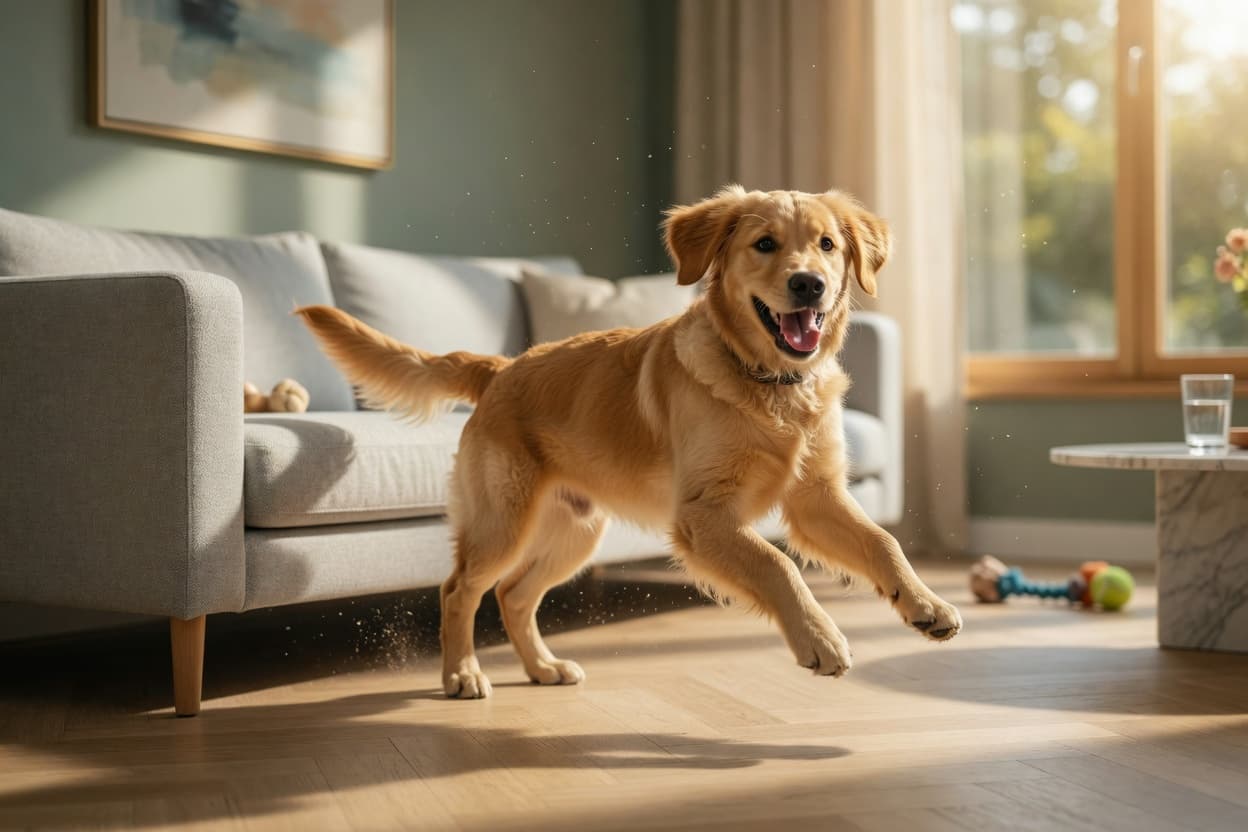
Every dog owner knows the scene: without warning, your dog explodes into a sprint around the living room, skids around the corner of the sofa, tears into the garden, does three laps at full speed, and then stops abruptly as if nothing happened. What you have just witnessed has a proper scientific name: a Frenetic Random Activity Period, almost universally shortened to FRAP. The more popular term, of course, is the zoomies.
FRAPs are characterised by sudden, intense bursts of high-speed running, often in circles or figures of eight, frequently accompanied by a distinctive low-slung posture with the hindquarters tucked slightly under the body — an aerodynamic shape that dog owners often call the "zoomie tuck." The dog's expression is typically one of pure, unfiltered joy: wide eyes, open mouth, ears flattened back with the speed.
Despite being extremely common, FRAPs are not yet fully understood from a neurological standpoint. Current understanding points to a combination of energy release, emotional regulation, and a neurochemical reward response — but the zoomies remain one of those delightful canine behaviours where science is still catching up with observation.
Why Do Dogs Get the Zoomies?

Release of Pent-Up Energy
The most straightforward explanation for FRAPs is that they serve as a pressure-release valve for accumulated physical energy. Dogs, particularly young and working-breed dogs, have a considerable energy budget. When that energy has not been spent through normal exercise and play, it builds up over the course of a day. A FRAP is the body's way of discharging that surplus all at once — a brief but extremely intense expenditure of stored energy. Dogs kept in smaller spaces or with limited outdoor access tend to have more frequent and more exuberant zoomie episodes than those with unrestricted access to outdoor exercise.
Emotional Release After Stress or Discomfort
One of the most recognisable triggers for FRAPs is an event that the dog finds stressful or uncomfortable — a bath, a veterinary visit, nail trimming, or being dressed in a rain jacket. The moment the stressor is removed, many dogs erupt into a FRAP almost immediately. This is understood as a form of emotional discharge: the nervous system had been in a heightened state of arousal or mild stress, and once the trigger is gone, that arousal is released through physical movement.
This post-stress FRAP is not a sign that anything went wrong during the bath or vet visit — it is simply the dog's way of physically shaking off the tension. Some trainers compare it to the deep exhale humans let out after a stressful situation resolves.
Excitement and Positive Overflow
FRAPs are also extremely common in the context of positive excitement. The moment the lead comes out before a walk, when a beloved family member comes home after an absence, or at the first sight of a favourite toy can all trigger an explosive zoom. In this context, the FRAP represents an overflow of positive emotional arousal — the dog's body is experiencing more excitement than it can contain in calm behaviour, and movement is the outlet.
When Are Dogs Most Likely to Get the Zoomies?
After Waking
Many dogs, especially puppies, experience a FRAP immediately upon waking from sleep. This is sometimes called the "morning zoomies" and mirrors the burst of energy that many mammals experience upon rousing — the body transitioning rapidly from rest to full activity. A puppy that launches itself off the sofa and tears around the house the moment it wakes is simply experiencing a very efficient energy transition.
The Evening Witching Hour
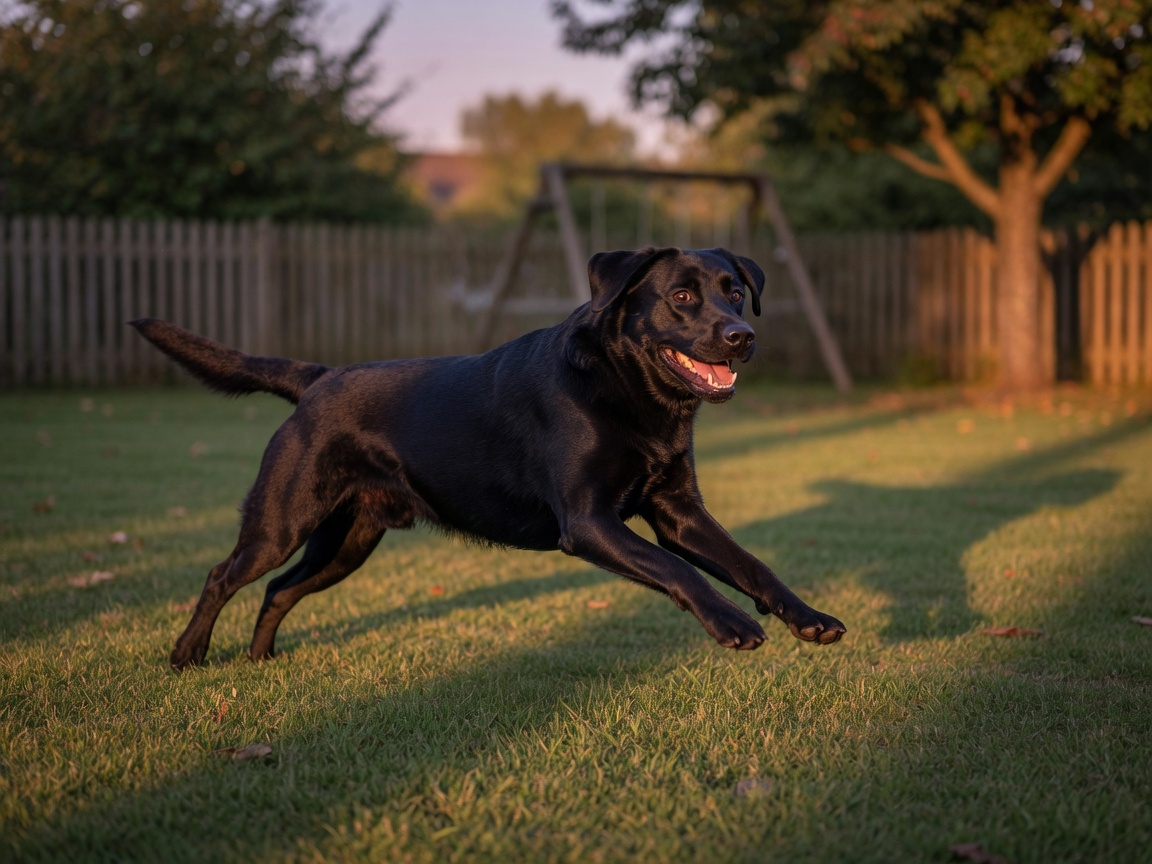
Perhaps the most consistent and predictable FRAP window is the early evening, typically between five and eight o'clock — the period that dog owners affectionately call the "witching hour." This timing aligns with the natural crepuscular activity peak of domestic dogs (inherited from their ancestral connection to wild canids that were most active at dusk). As the light fades and the energy that has been accumulating through a quieter afternoon finds its outlet, the zoomies are an extremely common result.
After Extended Lead Time
Dogs that have been on a lead for an extended period — during a long car journey, a formal dog show, or a veterinary consultation that required them to remain still and controlled — frequently erupt into FRAPs the moment they are released into a safe open space. The enforced restraint amplifies the sense of freedom upon release, and the body responds with explosive movement.
Are FRAPs More Common in Certain Dogs?
FRAPs are most frequent and most spectacular in puppies and adolescent dogs, who tend to have higher energy levels and less developed impulse control. As dogs mature, FRAPs typically become less frequent and less intense, though many adult dogs continue to zoom throughout their lives with perfectly normal enthusiasm.
Breed can also play a role. High-energy working and sporting breeds — Border Collies, Labradors, Vizslas, Jack Russell Terriers — tend to be more frequent zoomers than lower-energy breeds. Senior dogs can and do still experience FRAPs, though they are generally briefer and less athletic in character, which is entirely appropriate for an older body.
Staying Safe During Zoomies
FRAPs are safe in the vast majority of cases, but a few practical considerations are worth keeping in mind. Indoors, dogs in a full zoom can misjudge corners, collide with furniture, or slip on hard flooring. Clearing a safe path or redirecting the energy outdoors is sensible. On hard floors, consider whether your dog's claws provide sufficient grip — a dog slipping at speed can injure themselves. Outdoors, ensure the area is securely fenced before releasing a dog that you know is likely to zoom.
When Zoomies Might Signal a Health Concern
The vast majority of FRAPs are entirely benign and require no intervention beyond enjoying the spectacle. However, there are specific accompanying signs that warrant veterinary attention. If a dog during or after a FRAP appears confused or disoriented — not just excited — that is a meaningful distinction. True disorientation, circling that is asymmetric (always in the same direction), head pressing against walls or furniture, unusual eye movements, or a dog that seems to have no awareness of its surroundings despite being active should all prompt a veterinary assessment, as these can indicate neurological conditions that superficially resemble normal zoomie behaviour but are quite different in character.
The simple test is this: can you redirect your dog's attention with a familiar word, a toy, or a treat during the episode? A zooming dog will typically respond to these stimuli, however briefly, because they are fully aware and excited rather than neurologically impaired. A dog that cannot respond at all may need further evaluation.