
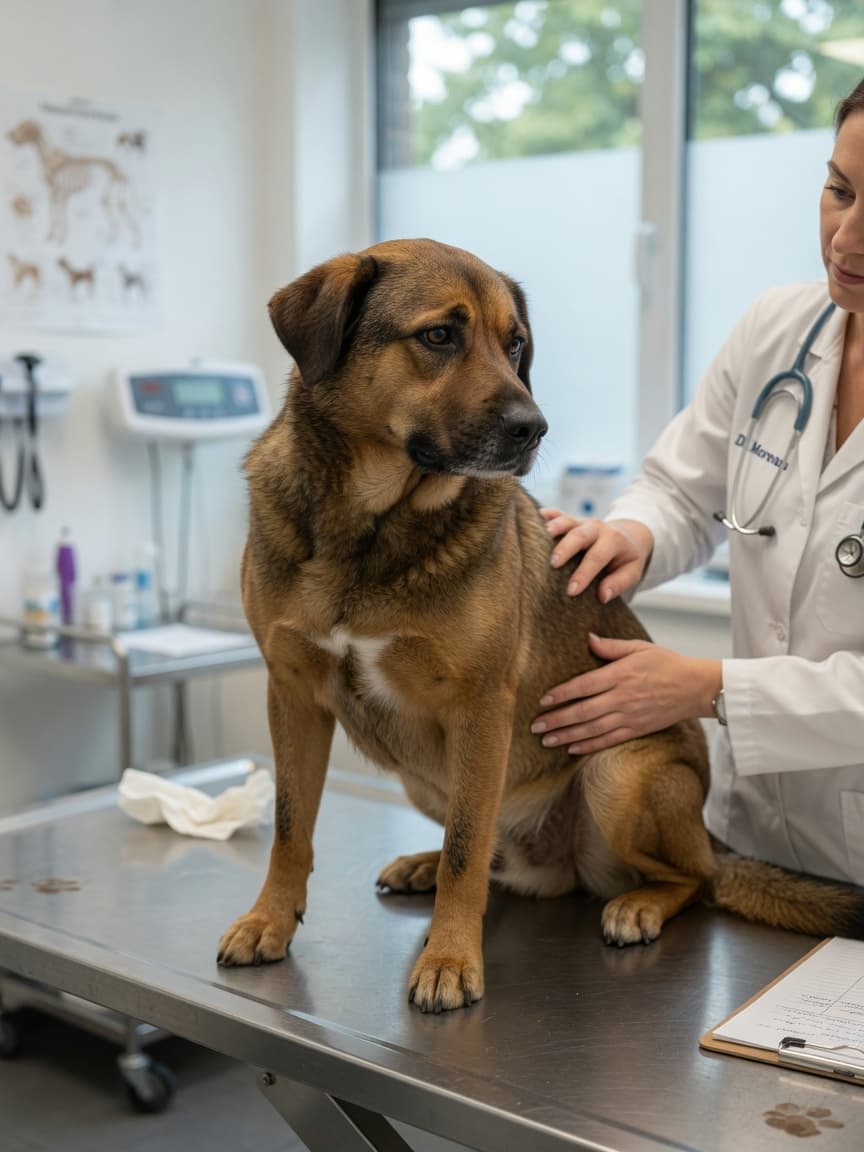
If you're considering welcoming a Rottweiler into your home, understanding their adult size is crucial for making informed decisions about space, exercise needs, and care requirements. Rottweilers are among the larger dog breeds, and knowing exactly how big they'll grow helps you prepare appropriately. This guide provides vet-verified information about Rottweiler growth patterns, average dimensions, and what to expect as your puppy matures into an impressive adult dog.
Average Adult Rottweiler Size
Rottweilers are substantial dogs that fall firmly into the "large breed" category. According to breed standards and veterinary data, here's what you can typically expect:
- Males: 24–27 inches (61–69 cm) at the shoulder, weighing 80–135 pounds (36–61 kg)
- Females: 22–25 inches (56–64 cm) at the shoulder, weighing 80–100 pounds (36–45 kg)
It's important to note that individual Rottweilers may fall slightly outside these ranges depending on genetics, nutrition, and overall health. Some males can reach up to 140 pounds, whilst others may be more compact. This variation is entirely normal within the breed.
Growth Timeline: From Puppy to Adult
Rottweilers experience rapid growth during their first two years of life. Here's a typical development timeline:
- Birth to 8 weeks: Rottweiler puppies grow quickly, typically weighing 10–25 pounds by eight weeks
- 3–6 months: Growth accelerates significantly; puppies may double in weight during this period
- 6–12 months: Most Rottweilers reach approximately 80% of their adult weight, though they continue gaining muscle and substance
- 12–24 months: Final growth occurs, with skeletal maturity usually achieved by 18–24 months. Some males continue filling out until age three
Unlike smaller breeds, Rottweilers take longer to reach full physical maturity, and rushing their growth through improper nutrition or excessive exercise can strain their developing bones and joints.
Factors That Influence Rottweiler Size
Several factors determine whether your Rottweiler will be on the smaller or larger end of the breed standard:
- Genetics: Breeding lines significantly influence final size. Puppies from larger parents typically grow larger themselves
- Nutrition: A balanced diet meeting AAFCO standards supports healthy growth; overfeeding can lead to excessive weight and joint problems
- Exercise: Appropriate activity during puppyhood supports proper muscle development without stressing growing joints
- Health status: Certain health conditions or parasites can affect growth rates and adult size
- Spaying or neutering: Early spay/neuter may result in slightly taller dogs due to continued growth plate activity
Supporting Healthy Growth
Ensuring your Rottweiler reaches their optimal adult size requires thoughtful management:
Nutrition: Feed a high-quality large-breed puppy formula specifically formulated for growth. Large breeds require controlled calcium and phosphorus levels to support proper bone development. Your vet can recommend appropriate portion sizes based on your puppy's growth rate.
Exercise: Avoid strenuous activities like jumping or running on hard surfaces until skeletal maturity. Short, controlled walks are ideal for puppies. Swimming is excellent low-impact exercise for growing Rottweilers.
Veterinary monitoring: Regular check-ups allow your vet to track growth progress and identify any developmental concerns early.
Health Considerations for Large Breeds
Because Rottweilers grow large, they're predisposed to certain conditions:
- Hip and elbow dysplasia
- Heart conditions
- Gastric dilatation-volvulus (bloat)
- Joint stress and arthritis later in life
Working with your veterinarian to maintain healthy weight and providing joint support as your dog ages helps minimise these risks.
Key Takeaways
Rottweilers typically grow to 22–27 inches tall and weigh 80–135 pounds, depending on sex and genetics. Their growth journey spans approximately two years, with most development occurring in the first 12 months. Supporting this growth through proper nutrition, appropriate exercise, and veterinary care ensures your Rottweiler reaches their potential as a healthy, well-proportioned adult. Understanding these growth patterns helps you make informed decisions about space, resources, and long-term care for your impressive canine companion.
```