

Why Worming Your Dog Matters in Europe
Internal parasites are a persistent threat to dogs throughout Europe, regardless of whether your pet lives in a city flat or a rural farmhouse. Worms can cause serious illness in dogs, and several species pose genuine zoonotic risks — meaning they can infect humans too. Understanding which parasites are present in your region, how they spread, and how to treat them effectively is one of the most important responsibilities you have as a dog owner.
The European Scientific Counsel Companion Animal Parasites (ESCCAP) publishes evidence-based guidelines for companion animal parasite control across Europe. Their recommendations form the foundation of this guide and are endorsed by veterinary associations including FECAVA and WSAVA. Always discuss your dog's individual risk with your vet, as regional parasite prevalence can vary significantly.
Types of Worms Affecting Dogs in Europe
Roundworm (Toxocara canis)
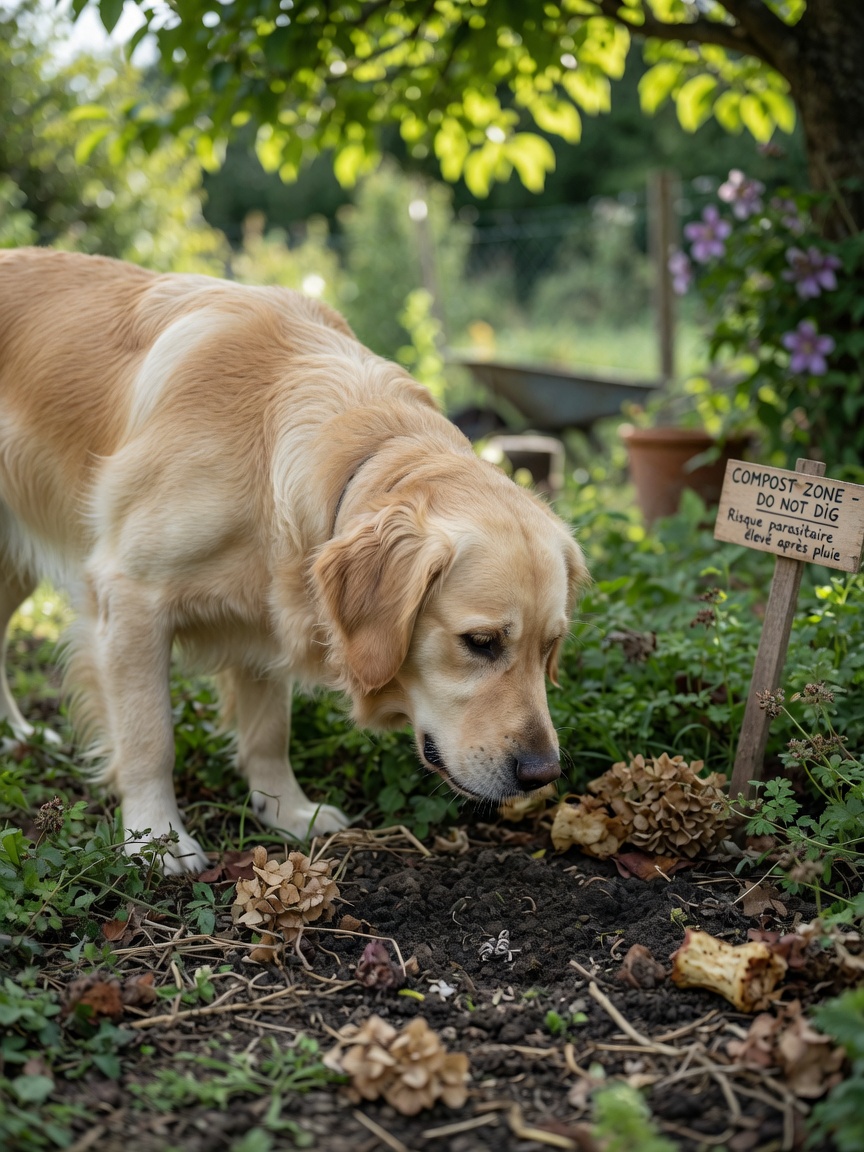
Toxocara canis is the most widespread intestinal worm in European dogs. Puppies are particularly vulnerable, as larvae can be transmitted from mother to pup through the placenta or milk. Adult dogs typically develop partial immunity but can still harbour larvae in their tissues and shed eggs in their faeces. Eggs passed in dog faeces can survive in soil for years, which is why regular worming and responsible faeces disposal are both critical.
Tapeworm (Dipylidium caninum and Echinococcus species)
Dipylidium caninum is commonly spread via fleas — dogs ingest infected fleas while grooming. Echinococcus granulosus and Echinococcus multilocularis are more serious tapeworm species present in parts of Europe, particularly central and eastern regions. Echinococcus multilocularis is of significant public health concern, as it can cause alveolar echinococcosis in humans, a potentially life-threatening condition affecting the liver.
Hookworm (Ancylostoma caninum)
Hookworms attach to the intestinal wall and feed on blood, making heavy infections particularly dangerous in puppies and young dogs. They can cause anaemia, bloody diarrhoea, and significant weight loss. Larvae can penetrate human skin, causing a condition called cutaneous larva migrans — another important reason to worm your dog regularly and avoid contact with faeces-contaminated soil.
Whipworm (Trichuris vulpis)
Whipworms live in the large intestine and caecum. Infections can cause chronic, intermittent diarrhoea, weight loss, and in severe cases, bloody stools. They are picked up from contaminated environments and their eggs are highly resistant, surviving for years in soil. Whipworm infections are often underdiagnosed because shedding of eggs can be intermittent.
Lungworm (Angiostrongylus vasorum)
Lungworm is of growing concern across Europe, with cases reported increasingly in the UK, France, Germany, Scandinavia, and beyond. Dogs become infected by eating slugs or snails — or even coming into contact with their slime trails. Signs include coughing, breathing difficulties, exercise intolerance, and in severe cases, bleeding disorders. Unlike intestinal worms, standard all-wormer products do not always treat lungworm, so specific products are required.
Zoonotic Risks: Protecting Your Family

Toxocara canis is the most significant zoonotic roundworm risk in Europe. Humans, particularly young children who play in sandpits or gardens, can accidentally ingest eggs from contaminated soil. This can cause toxocariasis, which may result in visceral larva migrans (affecting internal organs) or ocular larva migrans (affecting vision, in some cases permanently). Always wash hands after contact with soil or dog faeces, and cover sandpits when not in use.
Echinococcus species also represent serious zoonotic concerns in parts of Europe. Dogs in rural areas or those that hunt or scavenge wildlife are at higher risk of exposure.
ESCCAP Treatment Frequency Recommendations
ESCCAP recommends a risk-based approach to worming rather than a one-size-fits-all schedule. The following is a general framework:
- Puppies: treat at 2, 4, 6, and 8 weeks of age, then monthly until 6 months old
- Adult dogs with low risk (indoor lifestyle, no raw meat diet, regular vet care): treat at least every 3 months
- Adult dogs with high risk (hunting, scavenging, raw meat diet, contact with children or immunocompromised individuals, travel to endemic areas): treat monthly or more frequently
- Dogs in households with young children or immunocompromised people: treat monthly as a precaution
- Dogs at risk of lungworm: use an appropriate product monthly
Your vet may recommend faecal screening to tailor the programme to your dog's actual parasite burden, which is especially useful for adult dogs on less frequent schedules.
Worming Products Available in Europe
A range of prescription and over-the-counter worming products is available across Europe. Active ingredients include fenbendazole, praziquantel, pyrantel, milbemycin oxime, and moxidectin — each with different spectrums of activity. Some products treat only roundworms and tapeworms, whilst others also address hookworms and whipworms. Lungworm requires specific products such as those containing milbemycin oxime or moxidectin. Many owners find combination spot-on or tablet products convenient, as they can address multiple parasite types simultaneously.
If you prefer the convenience of online purchasing, Zooplus stocks a wide range of worming tablets and spot-on treatments for dogs, with options across different size categories and life stages. Always check that the product is appropriate for your dog's weight and age, and consult your vet if you are unsure which active ingredient is needed for your region's parasite risks.
Tips for Effective Worming
- Weigh your dog before purchasing wormer — under-dosing based on an underestimate of body weight can lead to treatment failure
- Treat all pets in the household at the same time to prevent reinfection
- Always combine worming with an effective flea control programme, as fleas spread tapeworm
- Pick up faeces promptly in the garden and in public spaces — this reduces environmental contamination significantly
- Wash your hands after handling worming products and after contact with your dog's faeces
- Keep a record of when each treatment was given so you can maintain a consistent schedule
When to See Your Vet
If your dog is showing signs such as a pot-bellied appearance, visible worm segments around the tail, chronic diarrhoea, unexplained weight loss, vomiting, or coughing, contact your vet promptly. These symptoms may indicate a significant worm burden or an infection with a parasite such as lungworm that requires specific treatment. Puppies with heavy roundworm infections can deteriorate quickly and need urgent attention. Regular faecal examinations alongside your worming programme give the most complete picture of your dog's parasite health.