
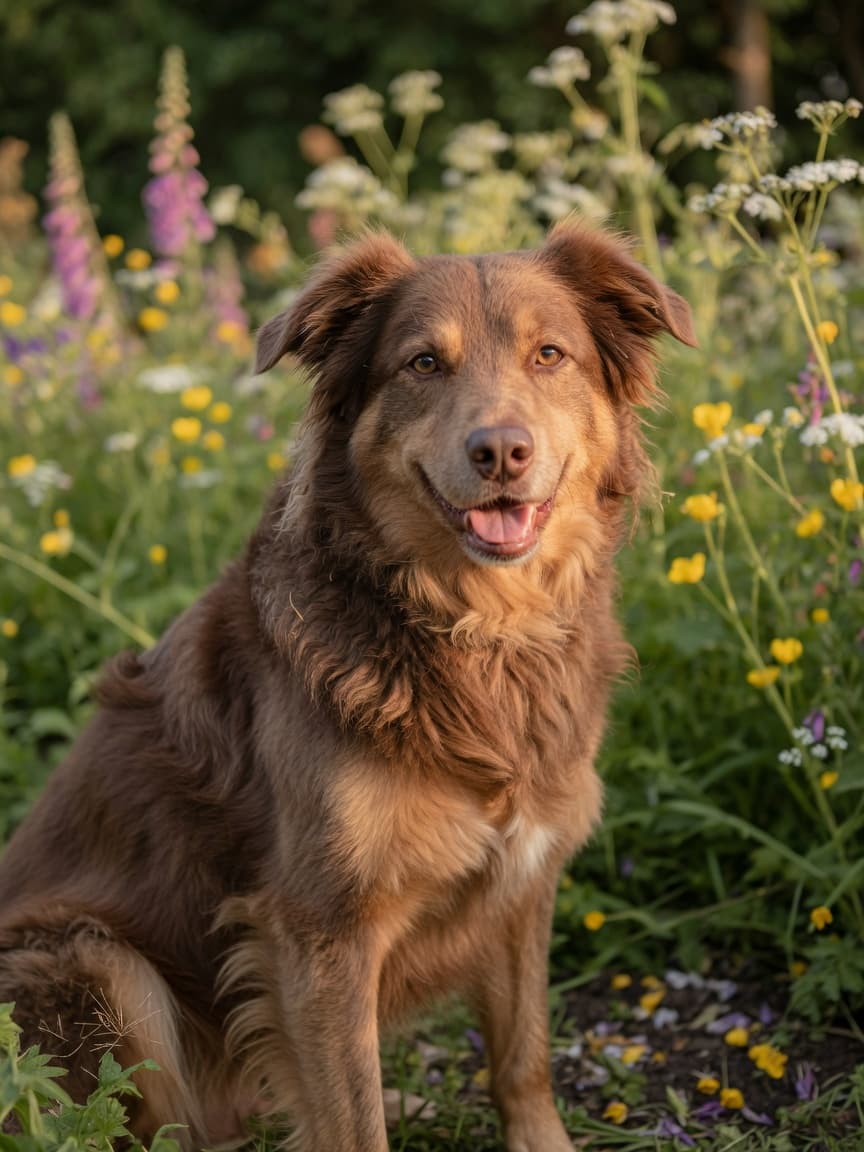
How to Reduce Dog Shedding: Diet, Brushing & Deshedding Tools
Dog hair on the sofa, embedded in car upholstery, floating through the kitchen — excessive shedding is one of the most common complaints among dog owners. While no approach eliminates shedding completely, a combination of proper nutrition, consistent brushing, and the right deshedding tools can dramatically reduce the amount of loose hair that ends up around your home. Understanding what is normal — and what signals a health problem — is the essential starting point.
Normal vs. Excessive Shedding
Shedding is a natural process of replacing old or damaged hair. Most dogs shed year-round, with peak periods in spring (when they drop the thick winter coat) and autumn (when the summer coat gives way to heavier winter growth). Double-coated breeds — Huskies, German Shepherds, Golden Retrievers, Labrador Retrievers, Bernese Mountain Dogs — shed heavily during these seasonal transitions in what is colloquially called "blowing coat."
Shedding becomes a concern when it is sudden, patchy, or accompanied by other symptoms. Rule out health causes before attributing heavy shedding purely to coat type. Consult your veterinarian if you notice:
- Bald patches or thinning areas rather than uniform all-over shedding
- Skin that is red, flaky, crusty, or has a foul odor
- Hair loss accompanied by weight gain, lethargy, or increased thirst (possible hypothyroidism or Cushing's disease)
- Sudden heavy shedding after a stressful event, illness, surgery, or whelping
- Excessive licking or chewing at the coat (allergies, parasites)
Once health causes are ruled out, the following strategies meaningfully reduce environmental shedding.
Diet: Omega-3 Fatty Acids and Hydration
A dull, brittle coat that sheds excessively often reflects nutritional deficiency. The two most important nutritional factors for coat health are essential fatty acids and hydration.
Omega-3 fatty acids — particularly EPA and DHA from marine sources — support skin barrier function, reduce inflammatory skin conditions that accelerate shedding, and improve coat texture and shine. They are found naturally in fatty fish and fish oil. Dogs eating a complete and balanced commercial diet receive some omega-3s, but supplementation with fish oil can provide meaningful additional benefit, particularly for heavy-shedding breeds.
Hydration affects skin health directly. Dehydrated skin becomes dry and flaky, and the hair shaft becomes brittle and more prone to breaking. Ensure your dog always has access to fresh water. Some dogs prefer running water (a pet fountain can increase intake) and many dogs on dry kibble diets benefit from adding moisture through wet food or water mixed into meals.
Recommended Products: Find professional deshedding brushes, undercoat rakes, and slicker brushes for every coat type at Zooplus. For omega-3 coat supplements, HolistaPet offers fish oil and hemp-derived omega-3 options formulated for dogs.
Brushing Frequency and Technique by Coat Type
Regular brushing is the single most effective way to manage shedding — it removes dead hair from the coat before it can fall onto your furniture and stimulates circulation in the skin.
Short, smooth coats (Beagle, Boxer, Dalmatian, Vizsla): Brush 1–2 times per week with a rubber curry brush or grooming mitt. These coats have a surprising amount of dead hair that a curry brush dislodges effectively.
Medium double coats (Labrador Retriever, German Shepherd, Australian Shepherd): Brush 2–3 times per week with a slicker brush followed by an undercoat rake. During coat-blowing season, daily brushing is warranted.
Heavy double coats (Husky, Malamute, Samoyed, Chow Chow): Daily brushing during heavy shed periods; 3–4 times per week otherwise. Use a pin brush or undercoat rake to reach through the topcoat and work the dense undercoat.
Wire coats (Terriers, Schnauzers): These coats do not shed in the traditional sense — they require hand-stripping or clipping. Regular slicker brushing keeps them tidy between professional appointments.
Deshedding Tools
Not all brushes are created equal for shedding control. The most effective tools for deshedding are:
Undercoat rake: A comb with widely spaced teeth that penetrate through the topcoat and grab dead undercoat. Ideal for heavy double-coated breeds during seasonal sheds. Use with moderate pressure in the direction of hair growth.
Slicker brush: Fine wire pins set in a rubber base. Excellent all-purpose brush that works through mats, removes loose hair, and stimulates the skin. Suitable for almost every coat type.
Furminator-style deshedding tool: Features a stainless steel edge that pulls out loose undercoat without cutting the topcoat. Highly effective during heavy shed periods but should not be used daily as it can thin the topcoat if overused. Limit to 1–2 times per week during peak shedding.
Rubber curry brush: Ideal for short-coated breeds and as a bathing tool. The rubber nubs grab loose hair and massage the skin simultaneously.
Bathing and Professional Grooming for Shedding Control
A thorough bath loosens dead coat that brushing alone cannot reach. Using a deshedding shampoo and conditioner formulated to release undercoat, followed by a high-velocity blow-dry (either at home or at a professional grooming salon), can remove extraordinary amounts of dead hair in one session.
Professional "deshedding treatments" offered at grooming salons typically include a deshedding shampoo, deep conditioning, and a forced-air blow-out that dramatically reduces environmental shedding for weeks. For heavily shedding breeds, scheduling a professional deshedding treatment at the start of each seasonal coat change is a cost-effective strategy.
The AKC shedding management guide and the ASPCA grooming resources provide additional information on coat care by breed group.
Key Takeaways
- All dogs shed normally; rule out health causes (thyroid disease, allergies, parasites) before treating heavy shedding as a grooming issue only
- Omega-3 fatty acid supplementation and adequate hydration support skin barrier health and reduce brittle, excessive shedding
- Brush double-coated breeds 2–3 times weekly at minimum, daily during seasonal coat blowing
- Undercoat rakes and Furminator-style tools are the most effective deshedding tools for heavy double coats — limit the Furminator to 1–2 times per week to avoid thinning the topcoat
- Professional deshedding baths with forced-air blow-outs at seasonal transitions dramatically reduce in-home hair accumulation
- A rubber curry brush is the best tool for short-coated breeds and works well during bathing
References
- Bauer JE. "Therapeutic use of fish oils in companion animals." J Am Vet Med Assoc. 2011;239(11):1441–1451. Omega-3 fatty acid supplementation and coat/skin health outcomes in dogs. PubMed PMID: 22087720
- Colombo S, Hill PB, Shaw DJ, et al. "Effectiveness of low dose immunotherapy in the treatment of canine atopic dermatitis." Vet Dermatol. 2005;16(3):162–168. Dermatological causes of excessive shedding and alopecia in dogs. PubMed PMID: 15960659