
What Is a Raw Diet for Dogs?
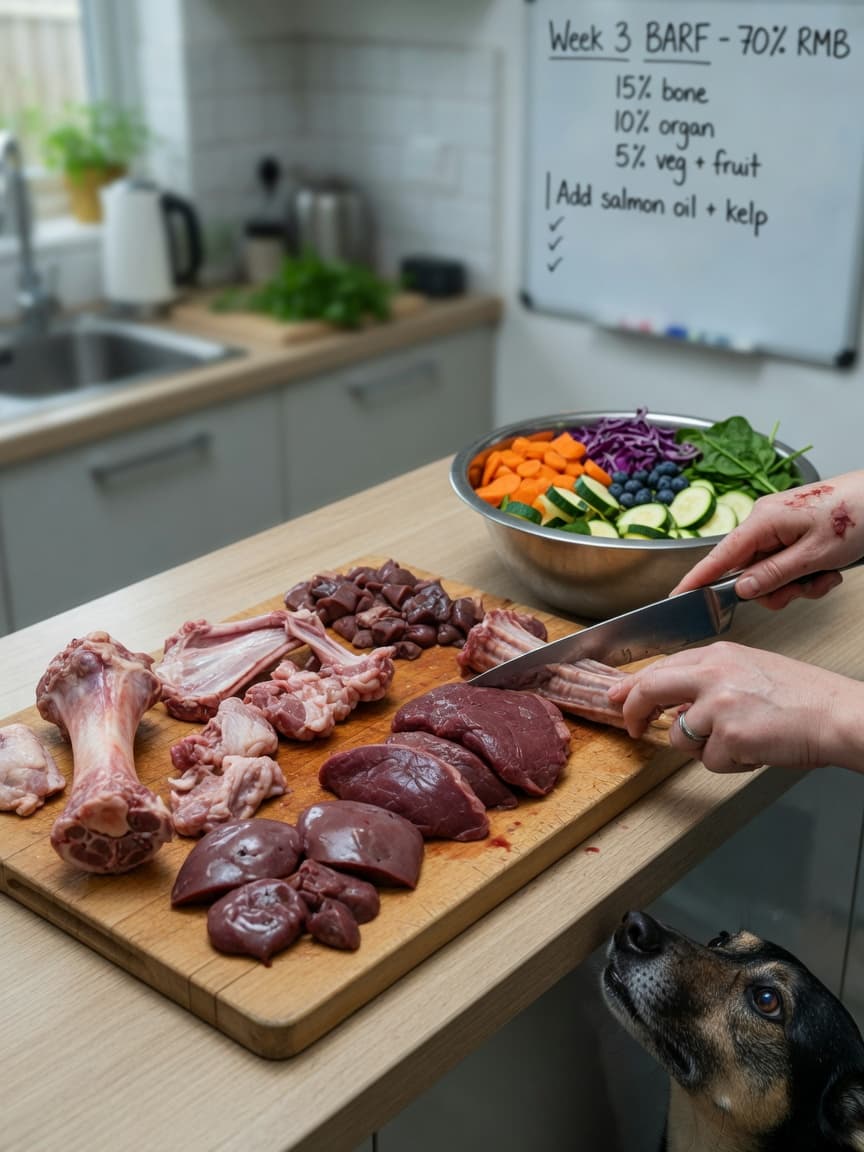
Raw feeding for dogs — often referred to as BARF (Biologically Appropriate Raw Food or Bones and Raw Food) — involves feeding dogs uncooked meat, organs, raw meaty bones, and in many versions, raw vegetables, fruits, and dairy. The movement was popularised by Australian vet Ian Billinghurst in the 1990s, who argued that the diet dogs ate before commercial pet food was more biologically appropriate for the species. Since then, raw feeding has grown considerably in popularity across Europe, with a dedicated community of advocates and a thriving market of commercial raw pet food producers.
There are two broad approaches to raw feeding: commercial raw dog food, which is prepared and often frozen or freeze-dried by specialist pet food manufacturers, and home-prepared raw diets, which owners formulate themselves using fresh ingredients sourced from butchers or supermarkets. The two approaches carry somewhat different risk profiles, as we will explore below.
Potential Benefits Claimed by Proponents
Advocates of raw feeding make a range of claims about the benefits for dogs. These include improvements in coat condition and skin health, smaller and firmer stools, better dental health (particularly from raw meaty bones), improved energy levels, and benefits for dogs with food sensitivities or allergies. Some owners also report improvements in behaviour and weight management. These reported benefits are widely shared anecdotally in the raw feeding community.
It is important to note that robust clinical evidence for most of these specific claims is limited. Some of the reported improvements in skin and coat may relate to the generally higher fat content of many raw diets, or to the elimination of specific ingredients a dog was previously reacting to, rather than rawness per se. Individual dogs can genuinely thrive on a well-formulated raw diet — but the same can be said of well-formulated commercial diets.
Genuine Risks of Raw Feeding
Bacterial Contamination
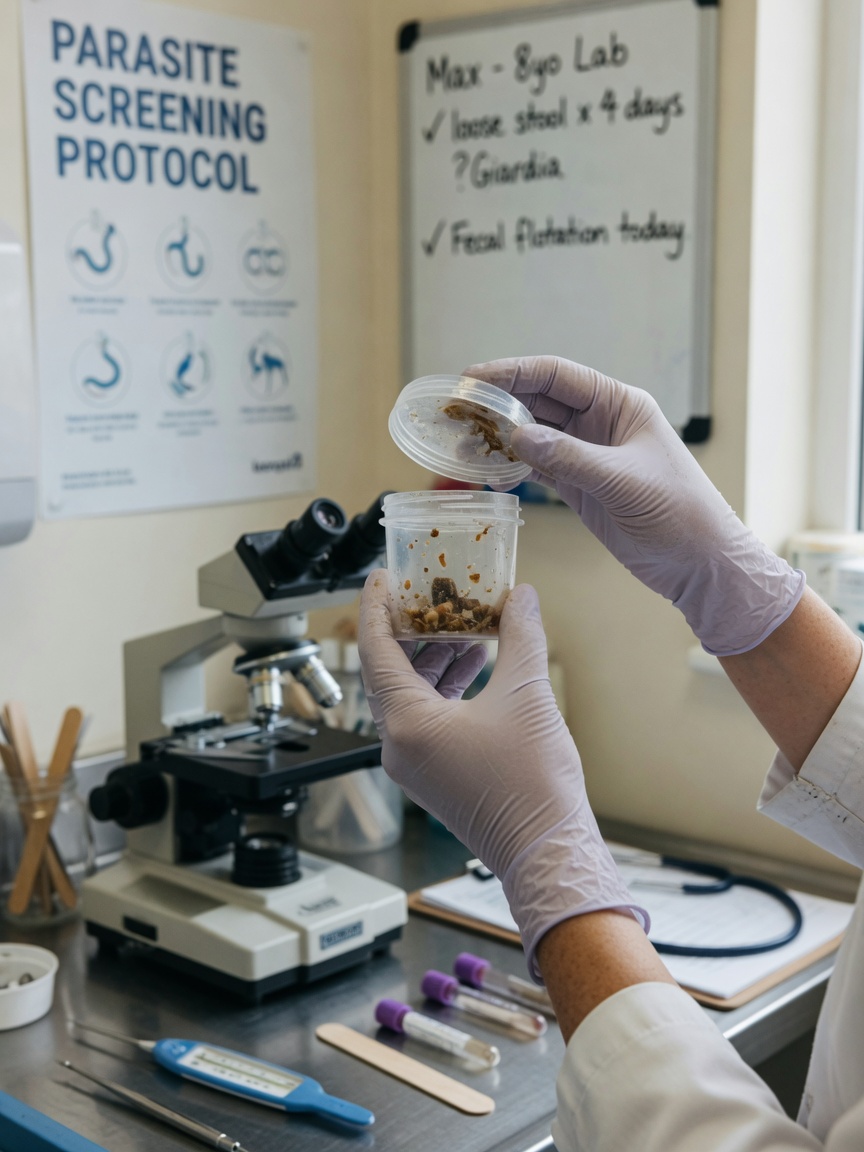
The most well-documented risk of raw feeding is bacterial contamination. Raw meat can harbour pathogenic bacteria including Salmonella, Campylobacter, Listeria, and E. coli — all of which can cause serious illness in dogs, and critically, in the humans who handle the food and live alongside the dog. Studies have consistently detected these pathogens in commercial raw dog food samples across Europe, including in products marketed as safe and high quality. Dogs fed raw diets shed pathogenic bacteria in their faeces at significantly higher rates than dogs fed commercial cooked diets, which poses a hygiene risk to household members, particularly children, the elderly, and immunocompromised individuals.
This is not a theoretical risk. There have been documented cases in Europe of Salmonella and other bacterial infections linked to raw pet food in both humans and dogs. Food safety authorities including EFSA have issued warnings about the public health implications of raw pet feeding.
Nutritional Imbalance
Home-prepared raw diets are particularly vulnerable to nutritional imbalance. Studies assessing home-prepared raw diets have found significant numbers to be deficient in key nutrients including calcium, phosphorus, zinc, and specific vitamins, or to have inappropriate calcium-to-phosphorus ratios. These imbalances can cause serious health problems, particularly in puppies whose skeletal development depends on precise nutritional calibration. Even experienced, knowledgeable raw feeders can get this wrong without the input of a specialist in veterinary nutrition. Commercial raw diets are less likely to have these imbalances if they are formulated to meet established nutritional standards, but quality varies considerably between manufacturers.
Bone-Related Risks
Raw meaty bones are a common component of BARF diets and are often cited as beneficial for dental health. Whilst raw bones are generally considered safer than cooked bones (which can splinter), they are not risk-free. Bone fragments can cause gastrointestinal obstructions, perforations, or constipation. There are documented cases of dogs requiring emergency surgery after consuming raw bones. Supervision is essential, and certain bone types are higher risk than others.
Zoonotic Risk
The zoonotic risk of raw feeding extends beyond bacteria. Dogs fed raw offal, particularly from wild or farm animals, may be exposed to parasites such as Toxoplasma gondii, Neospora caninum, and Sarcocystis species. In regions where Echinococcus is present, feeding raw offal from intermediate hosts such as sheep or cattle poses a risk of tapeworm infection. Freezing raw meat before feeding can kill some but not all of these parasites, depending on temperature and duration.
FECAVA and WSAVA Positions on Raw Feeding
Both FECAVA (Federation of European Companion Animal Veterinary Associations) and WSAVA (World Small Animal Veterinary Association) have published positions on raw pet food that reflect significant caution. WSAVA's Nutrition Committee has stated that it does not recommend raw animal-source protein diets for dogs and cats due to the risk of pathogen contamination and nutritional deficiency. FECAVA similarly highlights the public health risks associated with raw feeding, particularly in households with vulnerable family members. These organisations are not ideologically opposed to raw feeding, but they emphasise that the current evidence base does not support claims of superior health benefits compared to high-quality commercially prepared diets, and that the risks require serious consideration.
Safe Preparation If You Choose Raw
If you have carefully considered the risks and choose to raw feed, the following precautions can help reduce — though not eliminate — the dangers:
- Source meat from reputable, high-welfare suppliers and handle it as you would raw meat intended for human consumption
- Freeze meat at -20 degrees Celsius for a minimum of three weeks before feeding, to kill some parasites
- Separate raw meat preparation from other food preparation in the kitchen; use dedicated utensils and surfaces
- Wash hands thoroughly after handling raw pet food and after touching your dog's food bowl, face, or faeces
- Do not allow dogs to lick the faces of vulnerable household members after eating a raw meal
- Choose commercial raw diets over home-prepared where possible, and select products that are formulated to meet FEDIAF nutritional guidelines
- Work with a veterinary nutritionist to formulate a home-prepared diet, rather than relying on online recipes
Making an Informed Decision
The decision about what to feed your dog is deeply personal, and the raw feeding debate can generate strong feelings on both sides. What matters most is that the decision is made with full awareness of both the potential benefits and the very real risks — and in honest conversation with your vet. High-quality commercial diets formulated to FEDIAF standards are rigorously tested for nutritional completeness and safety, and they represent a sound choice for the vast majority of dogs. If you choose raw, do so carefully, hygienically, and with veterinary nutritional input. Your dog's health, and your family's health, deserve that level of consideration.