
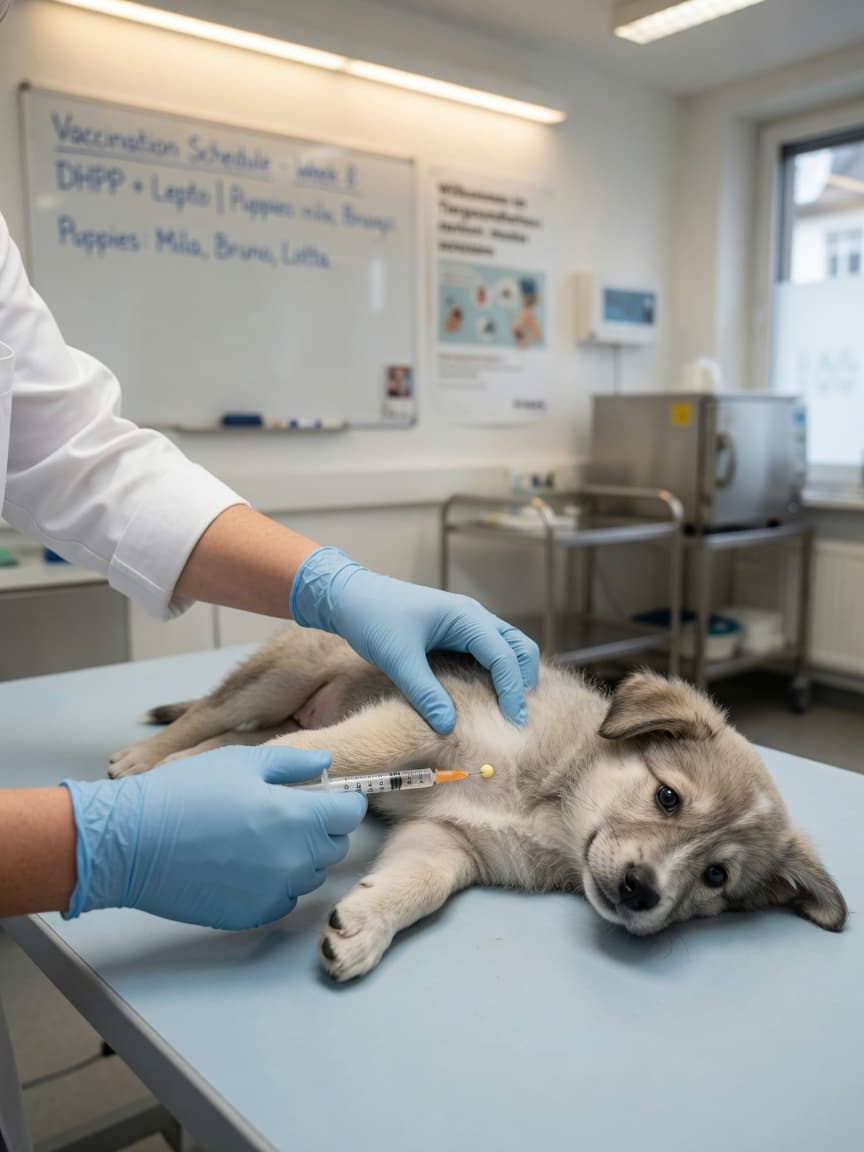
What Is Canine Parvovirus?
Canine parvovirus (CPV-2) is one of the most feared infectious diseases in dogs and remains a significant cause of mortality in puppies across Europe. First identified in the late 1970s, the virus spread worldwide with alarming speed and continues to circulate wherever vaccination coverage is incomplete. It is extraordinarily resilient in the environment — capable of surviving on surfaces, soil, and clothing for months to years — making prevention through vaccination the single most important defence available to dog owners.
How Does Parvovirus Spread?
The virus is transmitted via the faecal-oral route. Dogs become infected by directly contacting faeces from an infected animal or by indirect contact with contaminated environments, objects, food bowls, footwear, or hands. The virus does not need direct dog-to-dog contact to spread — an infected dog visiting a park or public area can leave behind viral particles that remain infectious for many months. Puppies and unvaccinated adult dogs are most at risk.
Symptoms of Canine Parvovirus
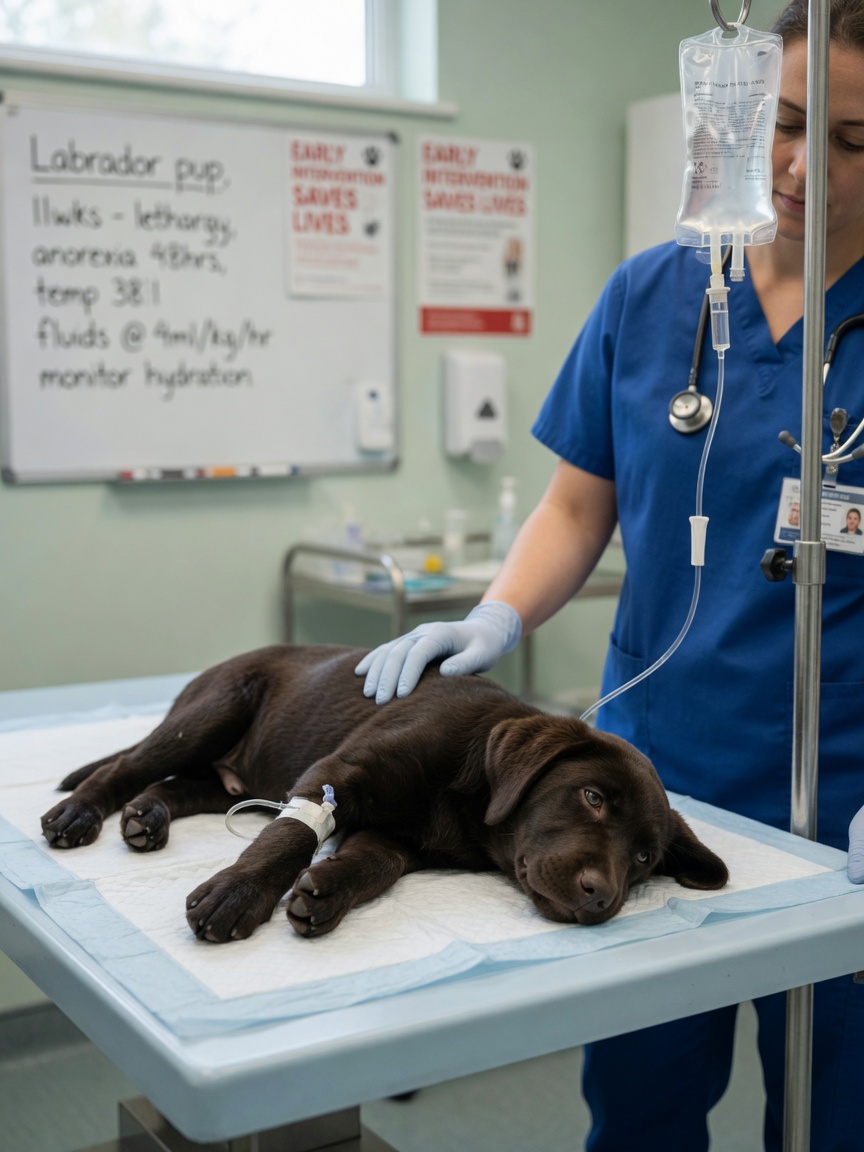
The incubation period is typically three to seven days, after which clinical signs develop rapidly and can deteriorate within hours. Classic symptoms include:
- Bloody diarrhoea: Often profuse and foul-smelling, this is one of the hallmark signs and leads to severe fluid loss.
- Vomiting: Frequent and persistent, contributing further to dehydration.
- Lethargy and depression: Affected dogs become rapidly weak and unresponsive.
- Fever: Temperature is often elevated, though it may drop dangerously low in severe cases.
- Loss of appetite: Infected dogs typically refuse all food.
- Abdominal pain: The intestinal lining is severely damaged, causing pain and distension.
Without treatment, mortality rates can exceed 90%. Even with intensive veterinary care, survival is not guaranteed, particularly in very young puppies.
Breeds at Higher Risk
All unvaccinated dogs are susceptible, but some breeds appear to suffer more severe disease even after infection. Studies have consistently identified Rottweilers and Dobermann Pinschers as having higher susceptibility and worse outcomes. American Pit Bull Terriers and Labrador Retrievers have also been noted in some research. The reasons are not fully understood but may involve differences in immune response. Owners of these breeds should be especially vigilant about vaccination.
Prevalence Across the EU
Parvovirus remains endemic throughout Europe. Countries with lower vaccination rates or large stray dog populations — including parts of Eastern and Southern Europe — see higher case numbers. Outbreaks occur regularly even in countries with generally good vaccination coverage when unvaccinated animals are introduced into previously protected communities. EU shelters and rescue organisations are frequent sites of outbreaks, and adopted dogs from abroad may be inadequately vaccinated, making it critical to verify and update vaccination status promptly.
Diagnosis
Veterinarians diagnose parvovirus primarily through in-clinic rapid antigen tests that detect viral particles in faecal samples. These tests are highly sensitive and provide results within minutes. Additional diagnostics may include:
- Full blood count — typically showing a marked decrease in white blood cells (leukopenia), which is characteristic of parvo.
- Biochemistry panel to assess organ function and electrolyte balance.
- PCR testing for confirmation in uncertain or atypical cases.
Treatment: Intensive Supportive Care
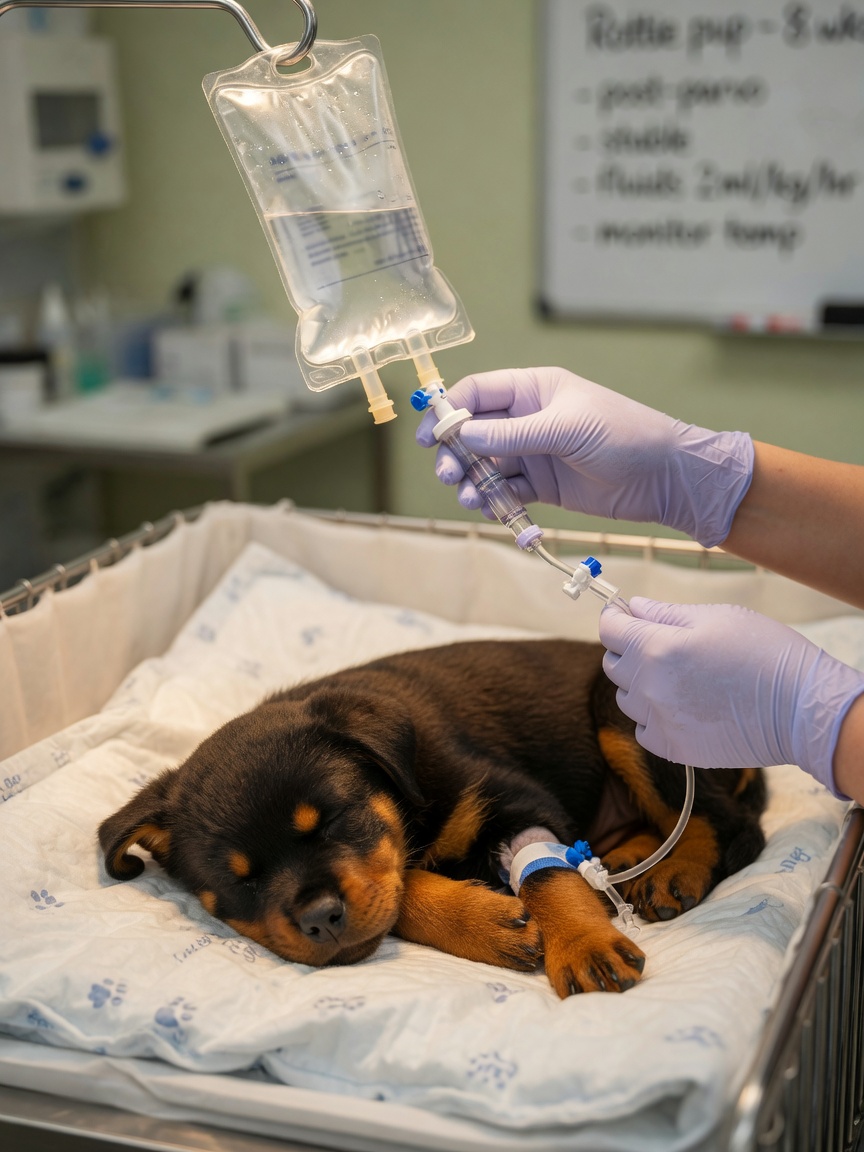
There is no antiviral drug licensed to kill parvovirus directly. Treatment is entirely supportive and aims to keep the dog alive while its immune system fights the infection. Hospitalisation is almost always necessary, and treatment involves:
- Intravenous fluid therapy: The cornerstone of treatment, replacing fluids and electrolytes lost through vomiting and diarrhoea.
- Antiemetics: Medications such as maropitant (Cerenia) control vomiting and allow the gut to begin recovery.
- Nutritional support: Early enteral nutrition — even small amounts — promotes intestinal healing.
- Antibiotics: Used to prevent secondary bacterial infections that exploit the damaged gut lining and suppressed immune system.
- Pain relief: To manage abdominal discomfort.
- Antiviral support: Interferon omega is licensed in Europe and used by some veterinary clinics to reduce severity and duration of disease.
With optimal intensive care, survival rates in hospitalised dogs range from 70% to 90%. Puppies under eight weeks old have considerably worse prognosis. The cost of treatment can be substantial, reinforcing the critical importance of prevention.
Vaccination: EU Protocols and WSAVA/ESCCAP Guidelines
Vaccination is the only reliable protection against parvovirus. Both the World Small Animal Veterinary Association (WSAVA) and the European Scientific Counsel Companion Animal Parasites (ESCCAP) classify parvovirus vaccine as a core vaccine — meaning every dog should receive it regardless of lifestyle or location.
Recommended vaccination schedules for puppies in the EU include:
- First dose at six to eight weeks of age.
- Booster doses every two to four weeks until the puppy is at least 16 weeks old.
- A final puppy course booster at 26 weeks (six months) is recommended by WSAVA, particularly for high-risk breeds.
- A booster at 12 to 16 months after the puppy series.
- Subsequent boosters every three years, as most modern parvovirus vaccines provide at least three years of immunity.
It is vital that puppies avoid contact with potentially infected environments — parks, pavements, dog meeting areas — until at least one week after their final puppy vaccination. This is a period many owners find challenging, but it is essential to reduce risk.
Environmental Decontamination
If a parvovirus case is confirmed in your home or kennel, thorough decontamination is essential. The virus is resistant to most household disinfectants, but sodium hypochlorite (household bleach) diluted 1:30 in water is effective on hard surfaces when used after thorough cleaning. Soft furnishings, bedding, and porous materials may need to be discarded. Outdoor areas — gardens, kennels — are very difficult to decontaminate fully; some sources advise waiting months before introducing unvaccinated dogs to previously contaminated outdoor spaces.
Protecting Your Dog: Practical Steps
- Follow your vet's recommended vaccination schedule precisely — do not delay or skip boosters.
- Verify vaccination records if adopting a dog from abroad, particularly from Eastern or Southern Europe.
- Keep puppies away from unknown dogs and high-traffic public areas until fully vaccinated.
- Inform your vet immediately if your dog shows bloody diarrhoea or vomiting — time is critical with parvovirus.
- Consider pet insurance to cover the potential cost of hospitalisation if the worst occurs.
Canine parvovirus is preventable. With appropriate vaccination and sensible precautions during the puppy period, the vast majority of EU dog owners can protect their pets from this devastating disease entirely.