
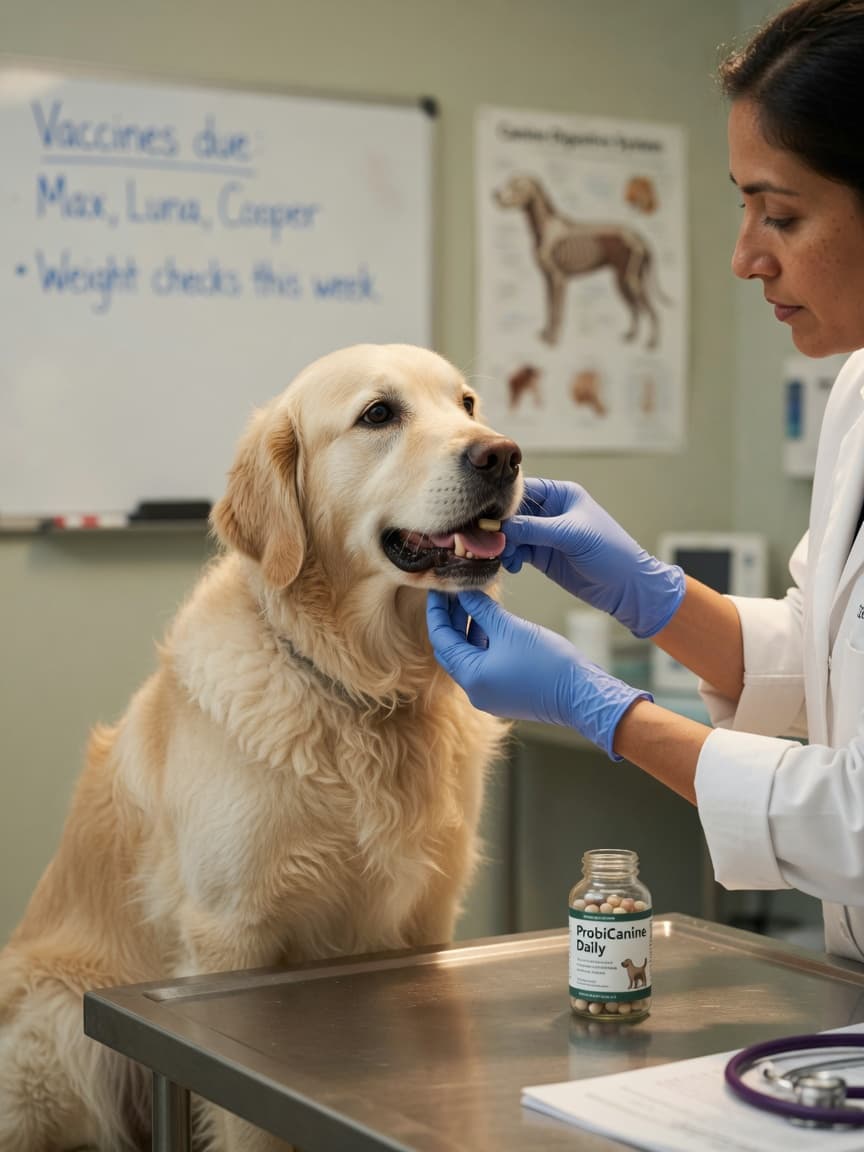
Probiotics have become increasingly popular amongst UK pet owners keen to support their dogs' digestive health and immunity. However, a question many responsible pet parents ask is whether it's possible to give their furry friends too much of a good thing. The answer is more nuanced than a simple yes or no, and understanding probiotic safety is essential for keeping your dog healthy and thriving.
Understanding Probiotics for Dogs
Probiotics are live beneficial bacteria and yeasts that support gut health by maintaining a balanced microbiome. They can help with digestion, nutrient absorption, and immune function. Unlike medications that are toxic in overdose, probiotics work differently because they're living organisms that your dog's body naturally regulates.
The most common beneficial strains for dogs include Lactobacillus, Bifidobacterium, and Enterococcus faecium. These naturally occur in healthy canine digestive systems, which is why supplementing them is generally considered safe.
Can Dogs Actually Overdose on Probiotics?
True overdose—where excess causes serious toxicity—is extremely unlikely with probiotics. Here's why:
- Self-regulating mechanism: Your dog's digestive system naturally limits bacterial colonisation. Excess beneficial bacteria simply pass through the system without establishing
- Non-toxic compounds: Unlike pharmaceutical drugs, probiotics don't accumulate in tissues or organs at dangerous levels
- Natural occurrence: These bacteria exist naturally in food sources, so the body has mechanisms to handle them
That said, excessive amounts can potentially cause mild digestive upset rather than true toxicity.
Potential Side Effects of Excessive Probiotics

Whilst serious overdose is unlikely, giving your dog too much probiotic supplementation may lead to temporary discomfort:
- Mild diarrhoea or loose stools
- Temporary flatulence
- Slight nausea or reduced appetite
- Stomach cramping
These symptoms typically resolve within a few days once the excess bacteria pass through the system. They're more common when introducing probiotics for the first time, as the microbiome adjusts.
Appropriate Probiotic Dosing for Dogs
The key to safe probiotic use is following proper dosing guidelines. Most veterinary-quality probiotics recommend:
- Small dogs (under 10kg): 5-10 billion CFU daily
- Medium dogs (10-25kg): 10-25 billion CFU daily
- Large dogs (over 25kg): 25-50 billion CFU daily
CFU stands for Colony Forming Units, which measure the number of viable bacteria. Always check your specific product's recommendations, as formulations vary considerably.
When to Consult Your Veterinarian
Contact your vet if your dog experiences:
- Persistent diarrhoea lasting more than a few days
- Vomiting or loss of appetite
- Lethargy or unusual behaviour
- You're unsure about the correct dose for your dog's age and weight
Additionally, dogs with compromised immune systems or serious health conditions should only take probiotics under veterinary supervision.
Practical Safety Tips for Probiotic Use
- Start low, go slow: Begin with a smaller dose and gradually increase to the recommended amount over one week
- Choose quality products: Select supplements from reputable manufacturers that list CFU counts and specific bacterial strains
- Check storage: Probiotics are living organisms; store them correctly (usually refrigerated) to maintain viability
- Keep records: Note when you started probiotics and any changes in your dog's digestion or energy levels
- Combine wisely: Avoid giving probiotics with very hot food, as heat can kill beneficial bacteria
Key Takeaways
Genuine probiotic overdose in dogs is extremely rare due to how these beneficial organisms work in the digestive system. However, excessive amounts may cause mild, temporary digestive upset. By following recommended dosing guidelines, introducing probiotics gradually, and choosing quality products, you can safely support your dog's gut health. When in doubt, your veterinarian remains your best resource for personalised advice tailored to your individual dog's health needs and circumstances.