
Understanding Kidney Disease in Dogs
The kidneys perform a remarkable range of functions — filtering waste products from the blood, regulating hydration and electrolyte balance, producing hormones that stimulate red blood cell production, and controlling blood pressure. When kidney function declines, the consequences ripple across nearly every body system. Kidney disease is one of the most frequently diagnosed serious conditions in older dogs, and understanding it thoroughly gives owners the best chance of managing it well.
There are two broad categories: acute kidney injury (AKI) and chronic kidney disease (CKD). AKI develops rapidly, often triggered by toxin ingestion (grapes, raisins, certain medications, antifreeze), severe infection, or sudden blood pressure collapse. CKD, by contrast, is a slow, progressive loss of kidney tissue that typically affects middle-aged to senior dogs and may go undetected until two-thirds of kidney function has already been lost.
Clinical Signs to Watch For
Because the kidneys concentrate urine, one of the earliest observable signs of CKD is increased thirst and urination — a combination vets call polyuria/polydipsia, or PU/PD. As the disease advances, waste products accumulate in the bloodstream (a state called uraemia) and further signs emerge:
- Vomiting and nausea, often worse in the morning
- Reduced or absent appetite
- Progressive weight loss and muscle wasting
- Halitosis with a characteristic ammonia or metallic odour
- Lethargy and weakness
- Pale gums (due to anaemia from reduced erythropoietin production)
- Mouth ulcers in advanced cases
AKI can present much more acutely, with sudden vomiting, profound lethargy, painful kidneys on palpation, and rapid deterioration. Any dog suspected of having ingested a nephrotoxic substance requires emergency veterinary attention without delay.
Diagnosis and the IRIS Staging System
Diagnosis combines blood biochemistry, urinalysis, blood pressure measurement, and imaging. Key blood markers include creatinine and, increasingly, SDMA (symmetric dimethylarginine), which the International Renal Interest Society (IRIS) recognises as an earlier biomarker for kidney dysfunction. Urinalysis assesses the kidneys' ability to concentrate urine (urine specific gravity) and detects protein loss, which worsens prognosis.
IRIS has developed a widely adopted staging system that classifies CKD into four stages based on resting creatinine levels, with further sub-staging for proteinuria and hypertension. Stage 1 represents the mildest form (often only detectable via SDMA or urinalysis abnormalities), while Stage 4 indicates severe, life-limiting disease. WSAVA's guidelines align closely with IRIS recommendations and provide a framework that EU veterinary practices follow when designing treatment protocols.
Dietary Management: The Cornerstone of CKD Care
Nutrition is arguably the single most impactful intervention for dogs with CKD. Dietary management focuses on several key principles:
- Phosphorus restriction: Excess dietary phosphorus accelerates kidney damage. Renal diets significantly reduce phosphorus intake, and phosphate binders such as aluminium hydroxide or sevelamer may be prescribed alongside food in more advanced stages.
- High-quality, moderate protein: Contrary to older advice, protein is not eliminated — it is moderated and sourced from highly digestible ingredients to minimise uraemic waste without causing muscle loss.
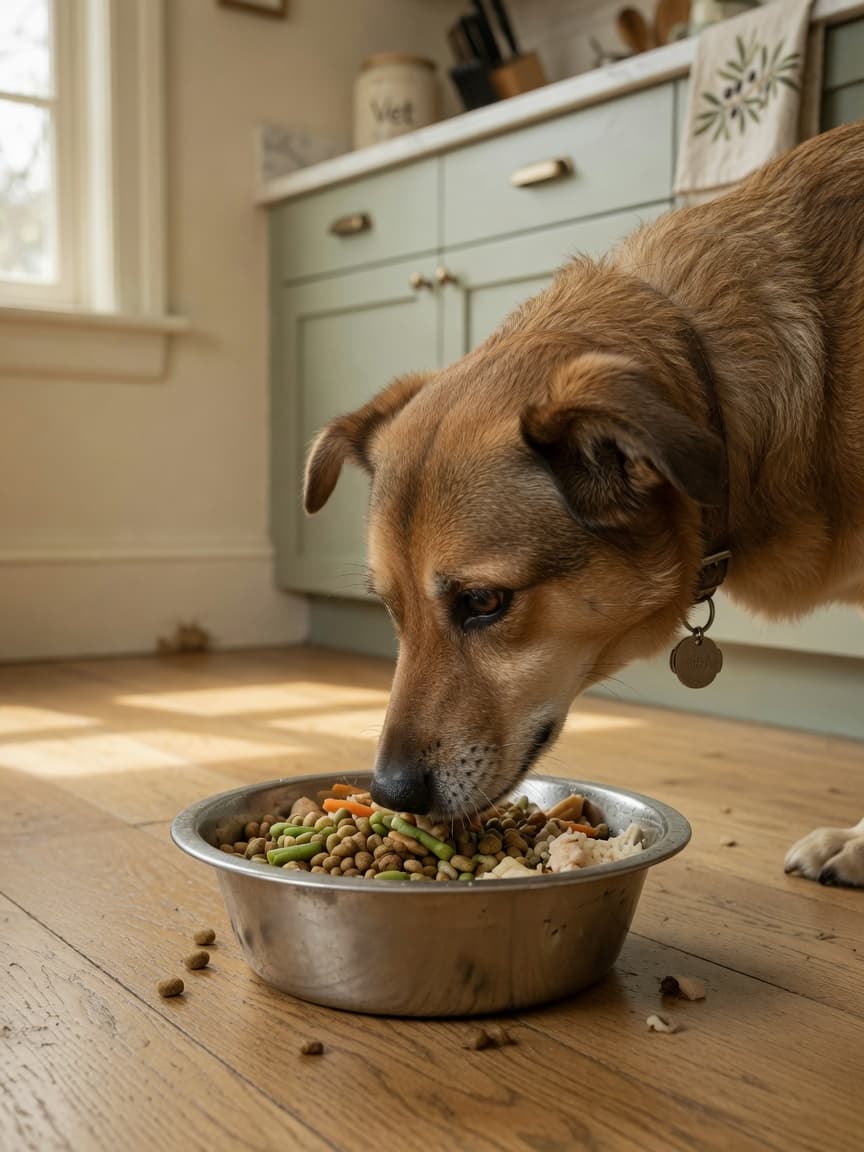
- Hydration: Encouraging fluid intake is vital. Wet food has a far higher moisture content than kibble and is generally preferred. Dogs with CKD benefit greatly from switching to wet renal diets or adding water to their meals.
- Omega-3 fatty acids: EPA and DHA from fish oil have anti-inflammatory effects on kidney tissue and are incorporated into many prescription renal diets.
Prescription renal diets are available from your vet, but Zooplus also stocks a wide range of veterinary renal dog foods — including wet and dry options from brands such as Royal Canin, Hill's, and Specific — which can make ongoing management more convenient and cost-effective for owners.
Medical Management
Beyond diet, several medications are commonly used in EU veterinary practice. ACE inhibitors (such as benazepril or enalapril) help control proteinuria and manage hypertension, both of which accelerate kidney deterioration. Phosphate binders are prescribed when dietary restriction alone is insufficient. Anti-nausea medications (maropitant), appetite stimulants, and gastroprotectants may be added as the disease progresses. Dogs with anaemia secondary to CKD may benefit from erythropoiesis-stimulating agents, though these require careful monitoring.
Regular rechecks — typically every three to six months in stable patients — allow the veterinary team to adjust treatment as the disease evolves. WSAVA and IRIS both emphasise that monitoring frequency should increase with disease stage.
Prognosis and Palliative Care
Prognosis varies enormously depending on stage at diagnosis, underlying cause, and response to management. Dogs diagnosed at IRIS Stage 1 or 2 and managed proactively can enjoy a good quality of life for years. Stage 4 disease carries a guarded prognosis, but palliative care focused on comfort, nausea control, and maintaining appetite can still provide meaningful time.
Owners should work closely with their vet to set realistic goals, monitor for deterioration at home, and be prepared to discuss quality-of-life assessments as the condition advances.
When to Seek Urgent Veterinary Care
Contact your vet immediately or go to an emergency clinic if your dog:
- Stops eating or drinking entirely
- Vomits repeatedly and cannot keep water down
- Collapses or is too weak to stand
- Shows signs of severe uraemia such as muscle twitching or seizures
- Has ingested a known kidney toxin such as grapes, raisins, antifreeze or certain NSAIDs
Early intervention in AKI can be life-saving. Even in CKD, a uraemic crisis can sometimes be managed with aggressive intravenous fluid therapy, buying valuable time for stabilisation.
This article was written by Julia Wrenfield. Always consult a registered veterinary surgeon for advice specific to your pet.