
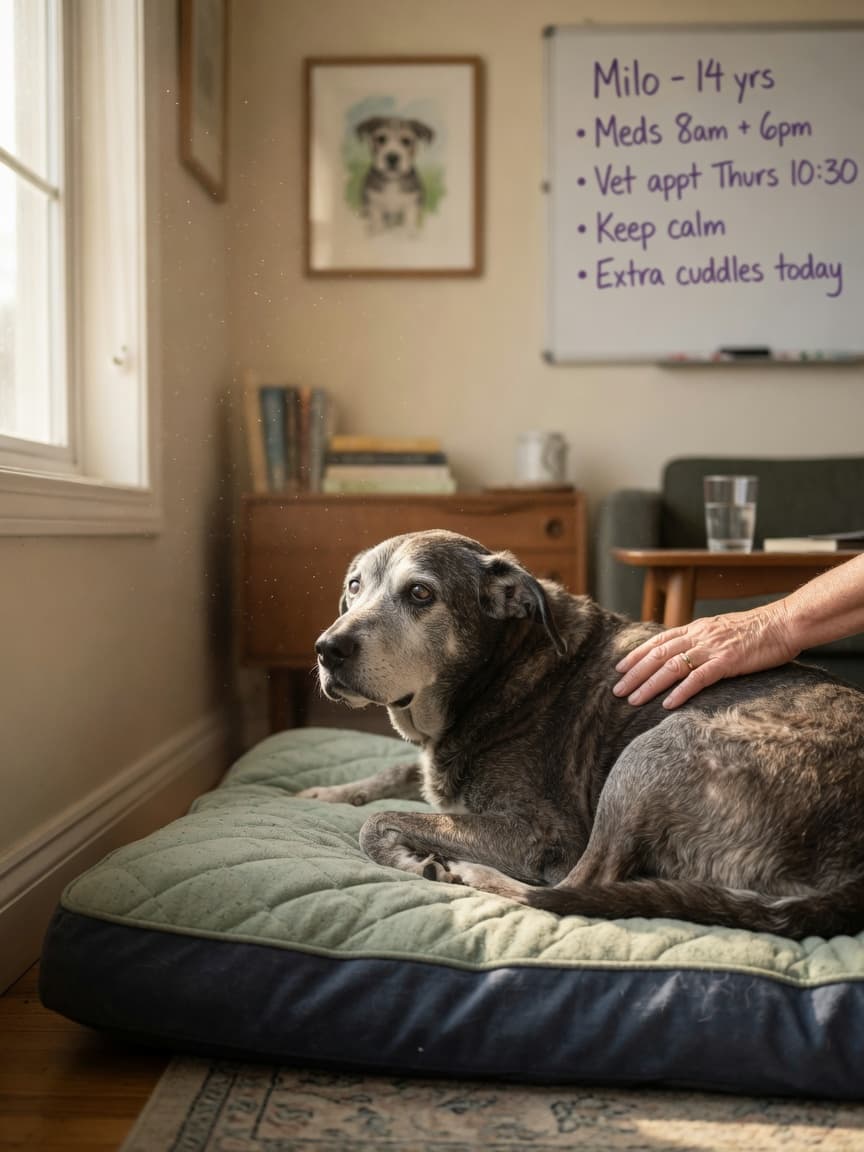
Watching your beloved dog grow older is bittersweet. Whilst we celebrate the years of companionship, we may notice subtle changes in behaviour and cognition that concern us. Canine cognitive dysfunction (CCD), commonly called dog dementia, affects many senior dogs, yet it's often overlooked or mistaken for normal ageing. Understanding the signs and taking early action can significantly improve your dog's quality of life in their golden years.
What is Canine Cognitive Dysfunction?
Canine cognitive dysfunction is a progressive neurological condition affecting dogs typically over age seven, though it can develop earlier. Similar to Alzheimer's disease in humans, CCD involves the deterioration of brain cells, leading to confusion, disorientation, and changes in behaviour. Research suggests that approximately 28% of dogs aged 11-15 years show at least one sign of cognitive dysfunction.
The condition results from age-related changes in the brain, including accumulation of harmful proteins and reduced blood flow to neural tissue. Whilst CCD cannot be cured, early detection and intervention can slow progression and maintain your dog's cognitive abilities longer.
Recognising the Early Signs
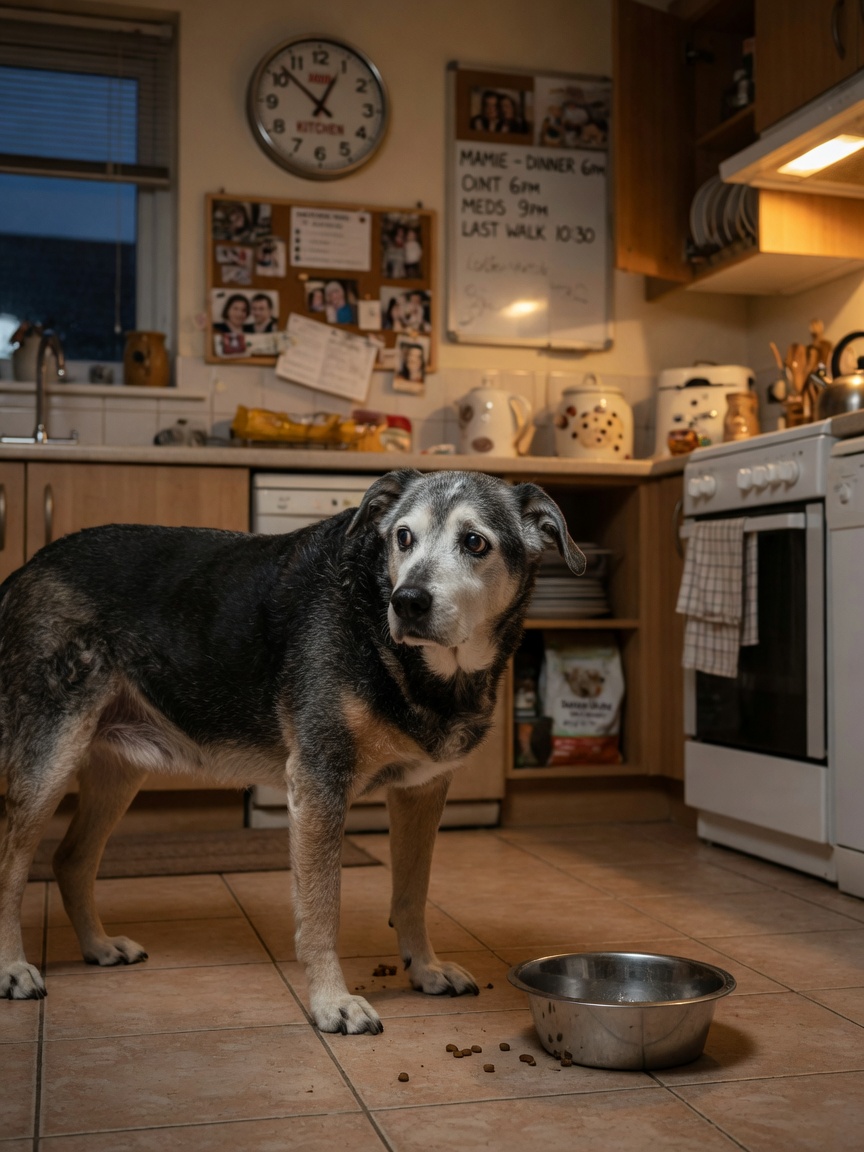
Dog dementia develops gradually, so it's crucial to watch for subtle changes in your dog's behaviour and routines.
- Disorientation: Your dog gets lost in familiar spaces, stares at walls, or forgets where their food bowl is located
- Sleep disturbances: Restlessness at night, sleeping during the day, or confusion about day and night cycles
- Loss of house training: Accidents indoors despite previously reliable toileting habits
- Reduced interaction: Decreased interest in games, walks, or family activities they once enjoyed
- Anxiety: Excessive barking, restlessness, or clinginess, particularly when alone
- Memory loss: Forgetting commands they knew well or not recognising familiar people
- Changes in appetite: Increased or decreased food intake
The DISHA Scale: A Helpful Tool
Veterinarians often use the DISHA scale to assess cognitive dysfunction. Monitor these five key areas:
- Disorientation: Confusion in familiar environments
- Interactions: Changes in social behaviour with family members or other pets
- Sleep-wake cycles: Alterations in sleeping patterns
- House soiling: Loss of toilet training
- Activity levels: Increased or decreased movement and engagement
If your dog displays signs in multiple categories, it's time to consult your veterinarian.
Getting a Proper Diagnosis
CCD diagnosis requires eliminating other medical conditions first. Your vet will perform blood tests, urinalysis, and possibly imaging studies to rule out thyroid problems, urinary tract infections, liver disease, and other treatable conditions that can mimic dementia symptoms.
A thorough health check is essential because many conditions are reversible, whilst CCD is not. Once other issues are excluded, your vet can confidently diagnose cognitive dysfunction based on clinical signs and your dog's age.
Management and Treatment Options
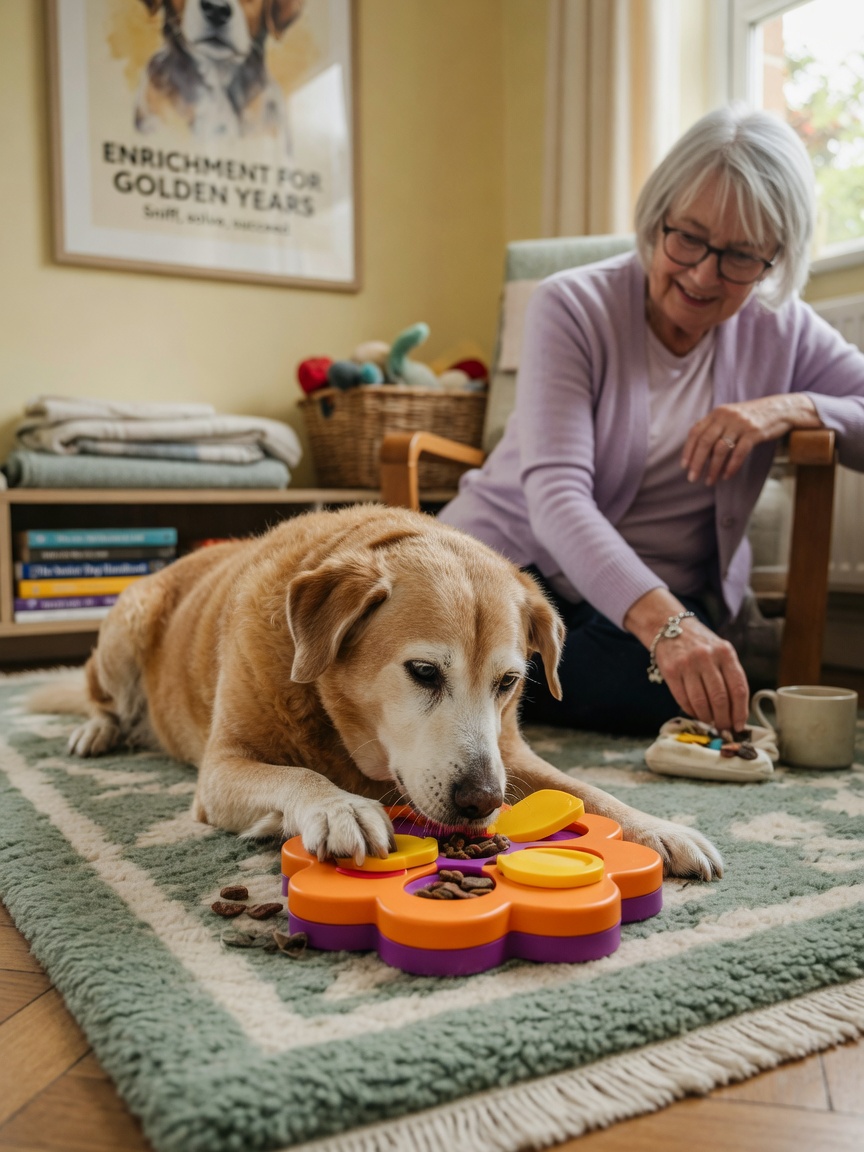
Whilst there's no cure, several approaches can help manage CCD effectively:
- Dietary support: Feed your dog a balanced diet rich in antioxidants, omega-3 fatty acids, and B vitamins. Ask your vet about senior-formulated diets specifically designed for cognitive support
- Medications: Your vet may prescribe selegiline, a medication that can slow cognitive decline in some dogs
- Mental stimulation: Provide puzzle toys, sniff games, and gentle training sessions to keep their brain active
- Routine: Maintain predictable schedules for meals, walks, and bedtime to reduce confusion and anxiety
- Environmental safety: Remove hazards, use baby gates if necessary, and ensure easy access to toilets and water
- Physical exercise: Regular, gentle exercise improves blood flow and overall wellbeing
Key Takeaways
Dog dementia is a manageable condition when caught early. Stay alert to behavioural changes in your senior dog, particularly disorientation, sleep disruption, and house soiling. Schedule a veterinary check-up if you notice concerning signs—early intervention truly makes a difference. With proper support, dietary management, mental stimulation, and medication if appropriate, you can help your ageing companion enjoy their later years with dignity and comfort. Remember, your dog's wellbeing depends on the quality of care you provide during this sensitive life stage.