
Understanding Canine Distemper
Canine distemper is a serious and often fatal viral disease that affects dogs worldwide. Despite being almost entirely preventable through vaccination, it continues to cause outbreaks, particularly in unvaccinated populations and wildlife-adjacent areas where the virus circulates in foxes, badgers, and other wild carnivores. Any dog owner who has seen a dog in the late stages of distemper will understand why this disease is taken so seriously.
The distemper virus belongs to the same family as measles in humans. It spreads through airborne respiratory droplets and direct contact with infected bodily secretions. Unlike parvovirus, which hits the gut hardest, distemper is a systemic disease that works its way through multiple organ systems in stages, often leaving lasting neurological damage in dogs that survive.
How the Disease Progresses
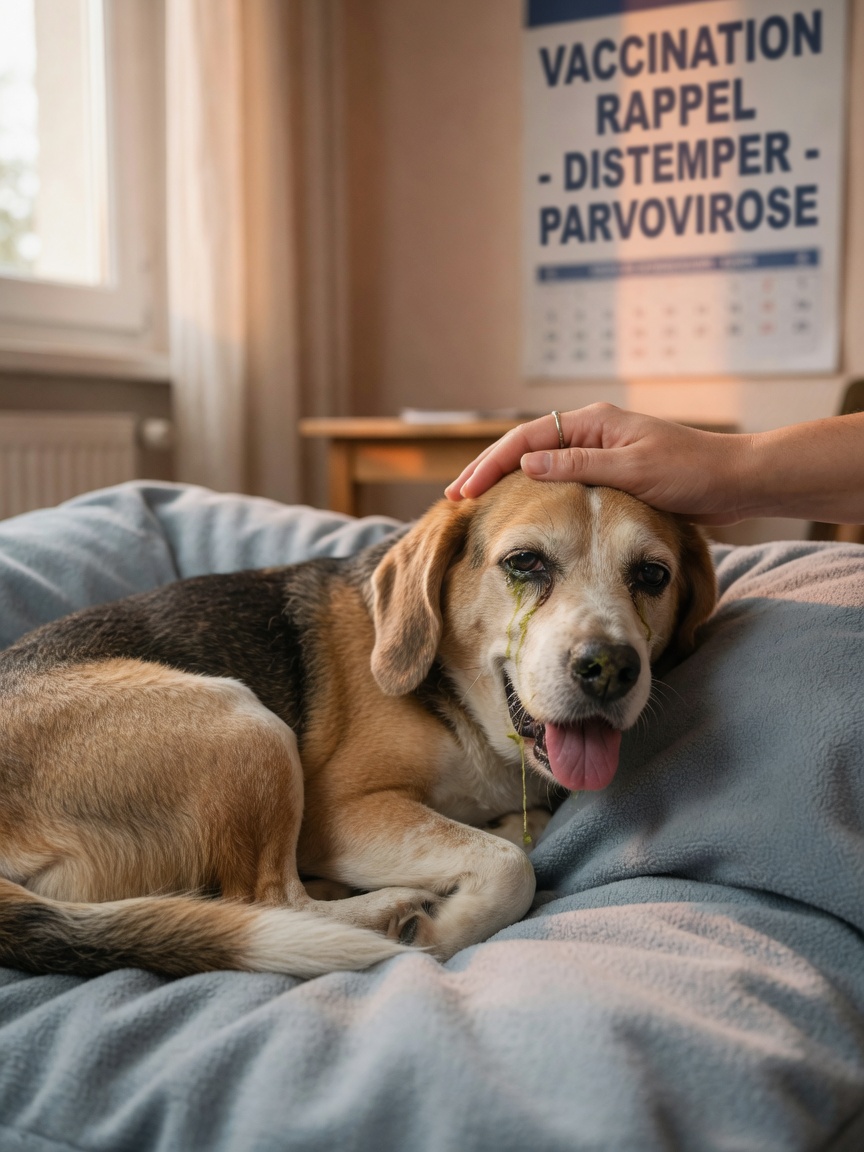
Distemper typically unfolds in two distinct phases, though not every dog follows the same timeline. The early phase is easy to confuse with a routine respiratory infection, which is partly why the disease is sometimes caught too late.
In the initial phase, the virus targets the respiratory and gastrointestinal systems. Symptoms include:
- High fever, often spiking above 39.5 degrees Celsius
- Nasal and eye discharge, initially watery then thickening to a yellow-green mucus
- Coughing, sneezing, and laboured breathing
- Vomiting and diarrhoea
- Loss of appetite and marked lethargy
Some dogs appear to recover from this first phase. Owners sometimes believe the worst is over. In many cases, it is not. The second phase arrives days to weeks later as the virus invades the central nervous system. This neurological phase is where distemper becomes most recognisable and most devastating.
Neurological symptoms include:
- Muscle twitching and myoclonic jerks — involuntary rhythmic spasms, often of the legs or jaw
- Seizures ranging from mild to severe
- Loss of coordination and difficulty walking
- Head tilting and circling behaviour
- Partial or full paralysis
- Dementia-like behavioural changes
The myoclonic jerks are particularly characteristic. They often persist even during sleep and may never fully resolve, even in dogs that otherwise survive. In some animals, the virus also causes the skin on the nose and paw pads to harden abnormally, a condition historically called hardpad disease.
Diagnosis and Prognosis

There is no single definitive test for distemper, which makes diagnosis a clinical exercise supported by laboratory results. Vets typically combine physical examination findings with blood tests showing low white cell counts, detection of distemper antigen from conjunctival swabs or cerebrospinal fluid, and characteristic changes seen on MRI in dogs with neurological signs.
Prognosis depends heavily on which systems are affected and how severely. Dogs with respiratory or gastrointestinal distemper alone have a better outlook than those who progress to neurological signs. Once seizures and significant neurological damage appear, the prognosis becomes guarded to poor. Some dogs stabilise and live with manageable deficits; others deteriorate to a point where euthanasia is the kindest option.
Age at infection matters. Puppies have the worst outcomes. Dogs over six months with some immune competence may fight off the virus more effectively, but this is not something to gamble on.
Treatment Options
As with parvo, there is no drug that directly targets the distemper virus. Treatment focuses on managing symptoms and preventing secondary infections while the immune system attempts to clear the virus. A hospitalised dog may receive:
- Intravenous fluids to manage dehydration
- Antibiotics for secondary bacterial pneumonia or gut infections
- Anti-seizure medications for dogs with neurological involvement
- Eye drops and saline flushes for ocular discharge
- Nutritional support
Treatment can last weeks and is often expensive with an uncertain outcome. This is why prevention is not just the better option — it is overwhelmingly the more humane one.
The Role of Vaccination
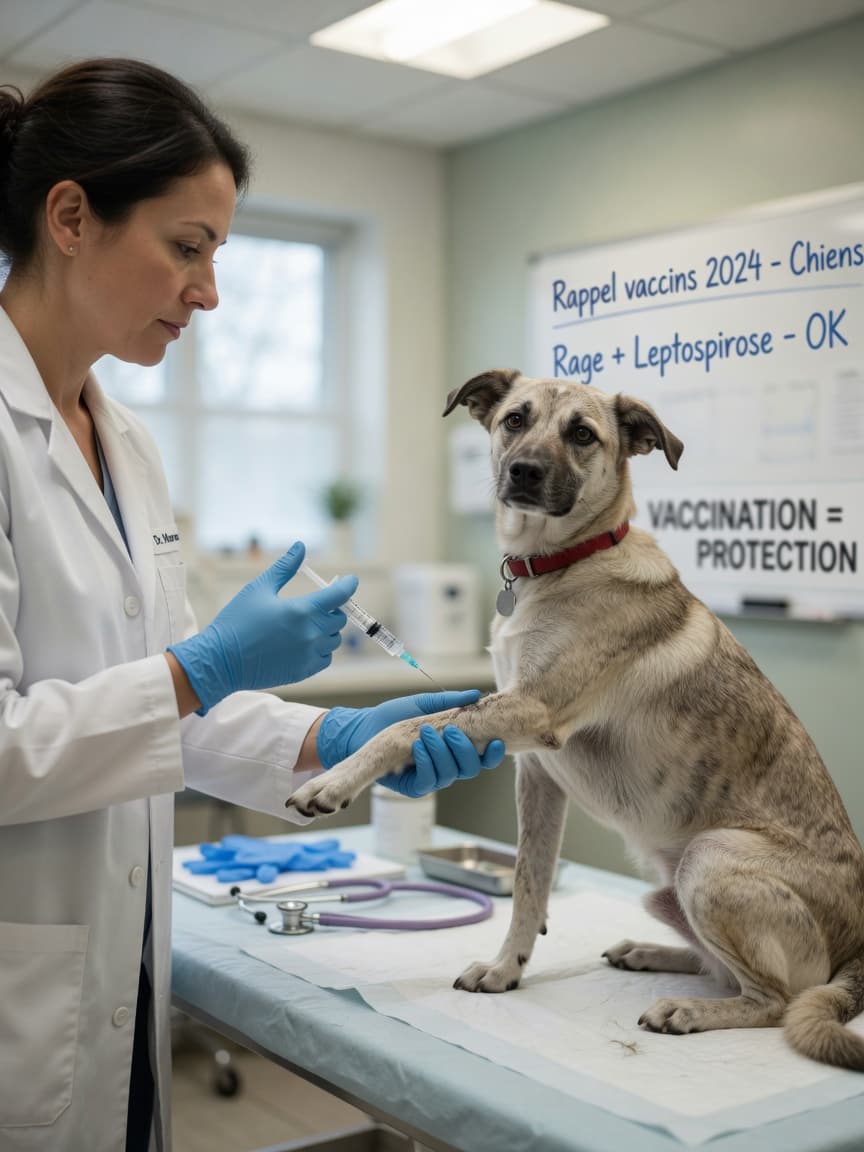
The distemper vaccine has been available for decades and is extraordinarily effective. It is included in the combination vaccine commonly referred to as the DHPPi or similar, which also covers hepatitis, parvovirus, and parainfluenza. Vaccination schedules mirror those for parvovirus — a puppy series beginning at six to eight weeks, completed by 16 weeks, with a booster at one year and then according to the manufacturer's guidelines thereafter.
Vaccination does not merely protect the individual dog. It contributes to herd immunity in the dog population, which matters because distemper can spread between dogs through casual contact in public spaces. Areas where vaccination rates drop — often following misinformation or access barriers — see distemper resurge within a few years.
Older dogs who have not been boosted for several years are not necessarily unprotected — studies suggest immunity can be long-lasting — but titre testing is the only way to confirm an individual dog's protection status. Many vets now offer titre tests as an alternative to automatic re-vaccination, which is worth discussing with your vet if you have concerns.
Wildlife Contact and Ongoing Risk
Dogs who live near or have contact with urban wildlife face ongoing exposure risk regardless of population vaccination rates. Foxes and badgers are the main wildlife reservoirs in the UK. Dogs that hunt, roam farmland, or frequently interact with wildlife should be kept on an up-to-date vaccination schedule without gaps.
Distemper is not a disease of the past. It is a disease that vaccination has brought under control, and that lack of vaccination will reliably bring back.