
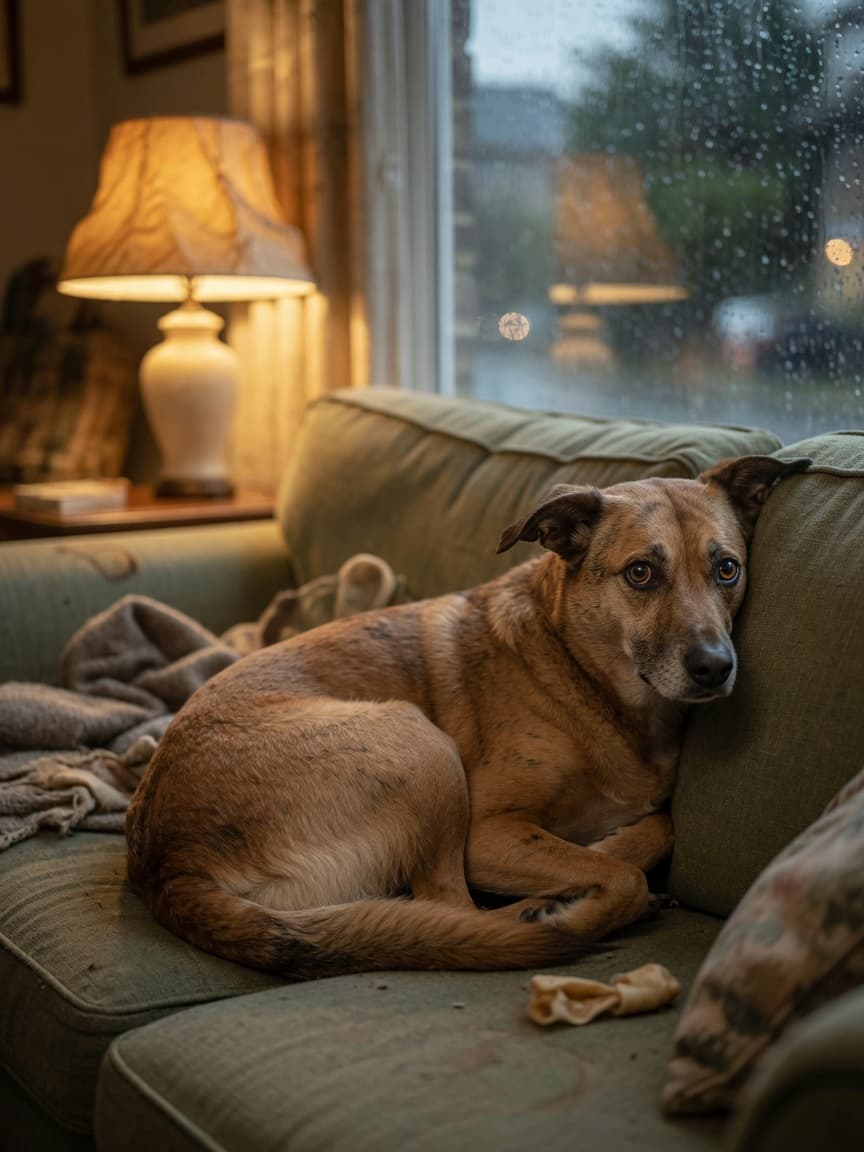
The Hidden Toll of Ongoing Stress on Your Dog's Body
Most dog owners recognise when their pet is anxious — the trembling, the panting, the tail tucked firmly between the legs. But chronic, low-grade stress is a different beast entirely. It operates quietly, accumulating damage over weeks and months, and by the time physical symptoms appear, the body has already been working overtime to compensate. Understanding what prolonged stress does to a dog's physiology is one of the most important things you can do for their long-term wellbeing.
What Happens in the Body When a Dog Is Stressed
When a dog perceives a threat — whether that is a thunderstorm, a punitive training session, or chronic social conflict with another pet — the hypothalamic-pituitary-adrenal (HPA) axis fires up. The adrenal glands flood the bloodstream with cortisol and adrenaline. These hormones are designed for short bursts: they sharpen senses, redirect blood to muscles, and suppress non-essential functions like digestion and immune response.
In an acute situation, this is entirely healthy. The dog responds to the threat, the danger passes, cortisol levels drop, and the body returns to baseline. The problem arises when the threat never truly goes away. A dog who lives in a chaotic household, endures daily aversive training, or suffers from separation anxiety is triggering this system repeatedly — or never allowing it to switch off at all.
The Immune System Under Siege
One of the earliest casualties of chronic stress is immune function. Sustained elevated cortisol actively suppresses immune cells, including lymphocytes and natural killer cells. This leaves dogs more vulnerable to viral infections, skin conditions, and urinary tract infections. Owners often notice their chronically stressed dogs seem to pick up every bug going or suffer recurring hot spots and ear infections that never quite resolve despite treatment.
Research in veterinary behavioural medicine has consistently linked high cortisol levels with increased inflammatory markers. Dogs in stressful shelter environments, for instance, show measurably higher rates of upper respiratory illness than those in calmer settings — even when their nutrition and vaccination status are identical.
Digestive Disruption
The gut and the brain are connected via the vagus nerve, and when the stress response activates, digestion is deliberately downregulated. Blood flow is diverted away from the digestive organs, motility changes, and the delicate microbial balance of the gut is disturbed. In a dog dealing with chronic stress, this manifests as intermittent soft stools, vomiting, reduced appetite, or in some cases, the opposite — stress-driven scavenging and overeating.
There is growing evidence in companion animal research that the gut microbiome is profoundly affected by psychological state. Dogs with anxiety disorders tend to show altered microbiota compositions, which in turn feeds back into the nervous system and can worsen mood regulation. It is a two-way relationship that makes chronic stress genuinely difficult to unravel without addressing both the behavioural and physical dimensions simultaneously.
Skin and Coat as Stress Indicators
The skin is often the first visible sign that something is wrong internally. Chronic stress impairs the skin barrier function, making dogs more susceptible to environmental allergens and secondary infections. You may notice increased shedding, dull coat condition, excessive licking or chewing at paws and flanks, and slower healing of minor wounds.
Acral lick dermatitis — those angry, thickened sores that appear on the lower legs — is almost always rooted in anxiety and repetitive stress behaviour. The licking provides temporary soothing through endorphin release, but the resulting wound becomes a new source of discomfort, perpetuating the cycle.
Cardiovascular and Musculoskeletal Effects
Adrenaline raises heart rate and blood pressure in the short term. In a dog who is frequently or continuously stressed, this means the cardiovascular system is running hotter than it should be for sustained periods. While dogs do not develop stress-related hypertension in quite the same patterns as humans, veterinary cardiologists are increasingly attentive to the role of chronic anxiety in cardiac arrhythmias and elevated resting heart rates in otherwise healthy dogs.
Muscle tension is another underappreciated consequence. A stressed dog holds their body differently — braced, guarded, tight through the shoulders and hindquarters. Over time, this postural compensation contributes to musculoskeletal pain, reluctance to move freely, and can even mimic orthopaedic conditions in dogs who are, structurally speaking, perfectly sound.
The Sleep and Recovery Deficit
Dogs need a great deal of sleep — adult dogs typically require fourteen to sixteen hours of rest across a twenty-four hour period, and puppies need even more. Chronic stress disrupts normal sleep architecture. A stressed dog may appear to rest but never enter the deep, restorative sleep stages that allow tissue repair, memory consolidation, and immune regulation to occur. They may startle easily, reposition frequently, or whimper during sleep.
This sleep deficit compounds every other physical effect of stress. Without adequate restoration, the body cannot clear cortisol efficiently, cannot repair cellular damage, and cannot regulate appetite hormones properly. The result is a dog who is perpetually depleted, even if their activity levels appear unchanged.
Recognising Chronic Stress Before It Becomes a Health Crisis
Behavioural changes often precede physical illness by weeks or months. Pay attention to shifts in your dog's default state: are they less playful than they used to be? Do they seek more reassurance or conversely withdraw from interaction? Are they showing more reactivity on walks, or have their sleep patterns changed? These are the early warnings the body sends before the immune system starts failing or the gut microbiome tips out of balance.
- Persistent yawning, lip-licking, or whale eye in non-threatening situations
- Increased vigilance at home — always watching, never settling
- Changes in appetite or sudden food refusal
- Recurring infections or skin flare-ups without an obvious physical cause
- Reluctance to engage in activities they previously enjoyed
If you recognise several of these signs, a dual approach works best: a veterinary check to rule out underlying physical causes, paired with a consultation with a certified clinical animal behaviourist to identify and reduce the stressors at their source. Treating the physical symptoms while leaving the psychological cause intact is a temporary fix at best. Your dog's body and mind are not separate systems — they are one.