
What Determines How Long a Cat Lives
The oldest reliably documented cat, Creme Puff of Austin, Texas, lived to 38 years — an extraordinary outlier. Most domestic cats live between 12 and 18 years, with well-cared-for cats frequently reaching their early twenties. The gap between the average and the exceptional is not purely genetic luck. Research into feline ageing has identified a set of modifiable factors that meaningfully influence lifespan, and the science is clear enough to act on.
Neutering and Its Effect on Longevity
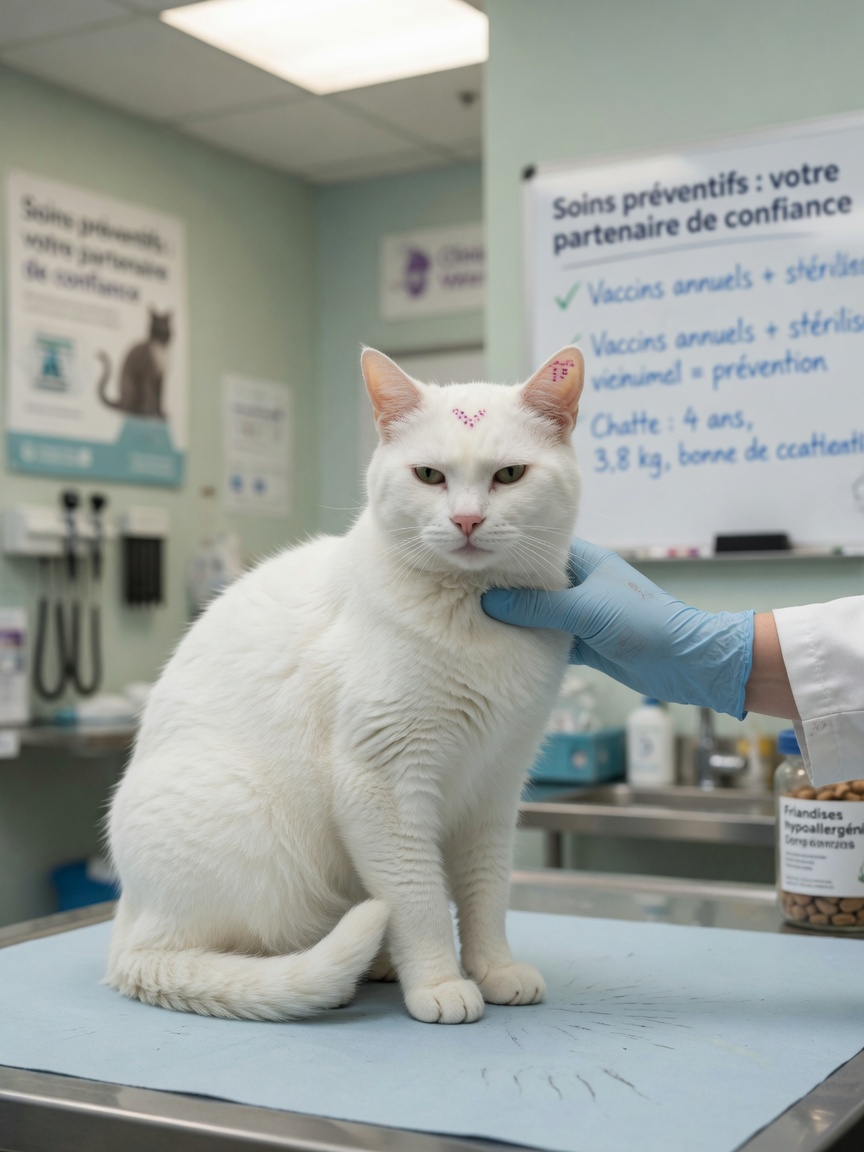
One of the most robustly supported findings in feline longevity research is the relationship between neutering and lifespan. A large-scale study published in PLOS ONE analysed data from over 460,000 cats and found that neutered males lived on average 62 percent longer than intact males, while spayed females lived 39 percent longer than intact females. The mechanisms are multiple: neutered cats are less likely to roam and encounter hazards, less susceptible to hormone-driven diseases such as testicular and mammary tumours, and less prone to injuries from fighting.
For intact males in particular, roaming behaviour in search of mates is associated with dramatically elevated accident risk. Entire females face the cumulative risk of repeated pregnancies and the significant incidence of pyometra — a life-threatening uterine infection — and mammary tumour development. Spaying before the first season virtually eliminates mammary cancer risk; spaying after the first or second season reduces but does not eliminate it.
Indoor Versus Outdoor Lifestyle
The data on indoor versus outdoor lifespan is stark. Outdoor cats have an average life expectancy of two to five years in urban environments, compared to twelve to eighteen years for indoor-only cats. Road traffic accidents, predation, infectious disease, toxin exposure, and human interference account for the majority of outdoor cat deaths. This does not mean outdoor enrichment has no value, but it does mean that controlled outdoor access — via secure enclosures or supervised time — represents a meaningful harm reduction strategy compared to unrestricted outdoor roaming.
Nutrition Quality Over the Long Term

Diet has a compounding effect on health over a cat's lifetime. Chronic low-grade nutritional inadequacy — insufficient taurine, poor protein quality, dehydration from an exclusively dry diet — does not produce dramatic symptoms in the short term. Over years and decades, however, it increases the risk of cardiomyopathy, kidney disease, and dental disease, all of which are among the most common causes of premature death in cats.
Research supports the following nutritional principles for longevity in cats:
- High-quality animal protein as the primary dietary component, with named meat sources rather than generic "meat derivatives."
- Adequate moisture intake, most reliably achieved through wet food as the primary or substantial component of the diet.
- Taurine adequacy — all commercial cat foods are now required to meet minimum taurine standards in the UK and EU, but quality of protein source still affects bioavailability.
- Caloric appropriateness to maintain a healthy body condition score throughout life, with adjustment as the cat ages and metabolism changes.
Veterinary Care as a Longevity Factor
Cats receiving regular veterinary care live significantly longer than those seen only in emergencies. This finding is partly because early detection of conditions like chronic kidney disease, hyperthyroidism, and dental disease allows intervention before irreversible damage occurs, and partly because preventive care (vaccination, parasite control, dental cleaning) removes causes of premature death entirely.
Chronic kidney disease (CKD) is the leading cause of death in older cats and is present in an estimated 80 percent of cats over fifteen years of age. Early-stage CKD is manageable with dietary modification and supportive care; late-stage CKD is not. The difference between catching it at IRIS Stage 1 versus Stage 3 can be measured in years of good-quality life. Blood pressure monitoring, urinalysis, and bloodwork panels at annual or biannual wellness visits are the tools that make this possible.
The Role of Body Weight Throughout Life
Maintaining a healthy body weight throughout a cat's lifetime is one of the most impactful longevity interventions available. Obesity in middle age is associated with earlier onset of diabetes, osteoarthritis, and hepatic disease. Conversely, muscle wasting in old age — a condition called sarcopenia — is associated with frailty, immune dysfunction, and reduced survival. The goal shifts over time: preventing obesity in young and middle-aged cats, and maintaining lean muscle mass in senior cats, are both critical but require different nutritional strategies.
Senior cat diets are typically formulated with higher protein density per calorie to support muscle maintenance in the face of decreased digestive efficiency. The assumption that older cats need less protein is not supported by current research; in fact, protein requirements in older cats may be higher, not lower, than in middle-aged adults.
Genetics, Breed, and What You Cannot Control
Certain breeds do carry genetic predispositions that affect lifespan. Persians and related breeds have elevated rates of polycystic kidney disease. Maine Coons have a higher incidence of hypertrophic cardiomyopathy. Burmese cats show elevated rates of diabetes mellitus. These are real statistical risks, but they are tendencies rather than certainties, and they can be significantly modulated by the quality of care provided.
Moggy cats — non-pedigree domestic cats — generally exhibit greater genetic diversity and, as a result, are often more robust against the specific hereditary conditions that disproportionately affect purebred lines. This genetic heterozygosity is one reason moggies frequently appear in the data as long-lived outliers.
Stress, Stability, and the Social Environment
Chronic psychological stress is an underappreciated contributor to shortened feline lifespan. Stress activates the hypothalamic-pituitary-adrenal axis and, over time, contributes to immune suppression, cardiovascular strain, and gastrointestinal dysfunction. Cats that experience persistent environmental instability — frequent rehoming, unpredictable household dynamics, unresolved inter-cat conflict, or inadequate resources — carry a measurable physiological burden that accumulates over time.
A stable, low-stress home environment with consistent routines, adequate resources for each cat in the household, and opportunities to express natural behaviour is not a luxury. It is, the science increasingly suggests, a genuine component of the conditions that allow cats to live long and healthy lives.