
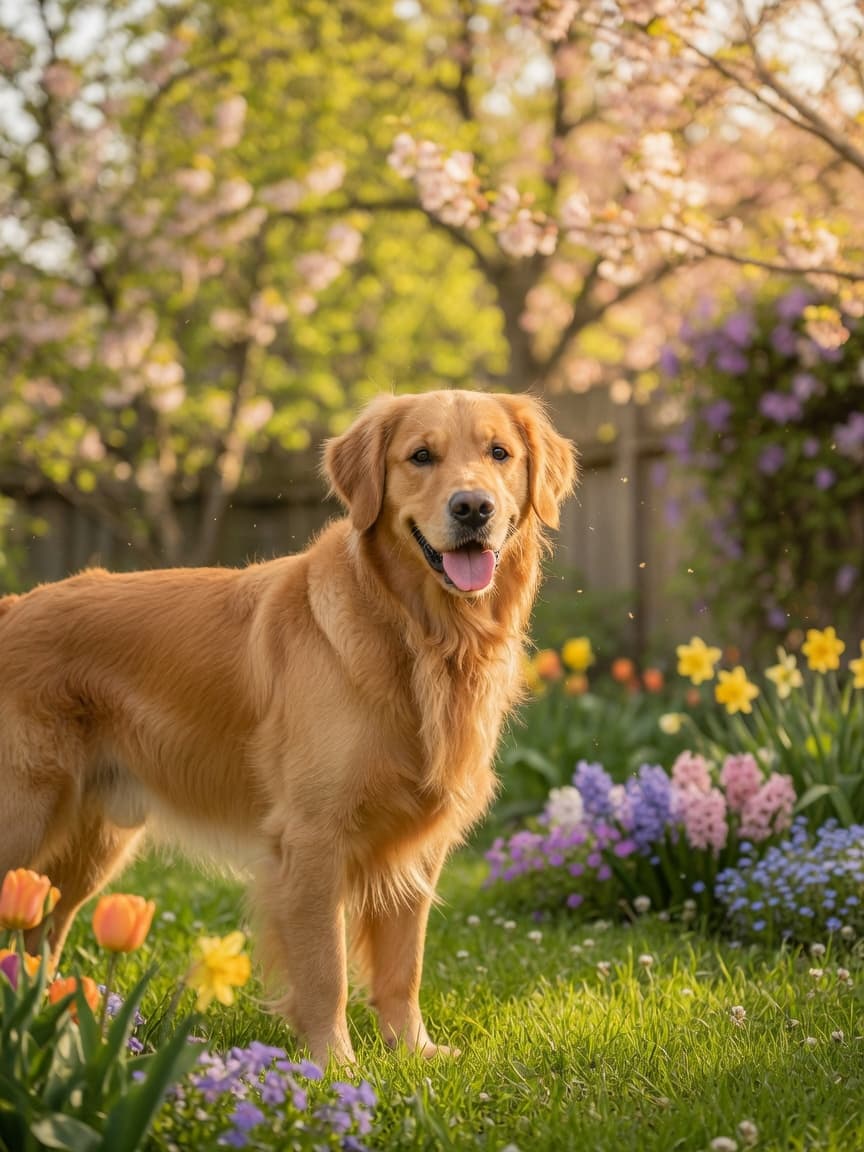
Spring has arrived, bringing warmer weather, longer daylight hours, and renewed energy for our canine companions. As the seasons change, so do the health considerations for our dogs. This spring spotlight explores the most important health topics every dog owner should address during this time of year, from parasite prevention to seasonal allergies and exercise routines that keep our four-legged partners thriving.
Spring Parasite Prevention: A Non-Negotiable Priority
Spring marks the return of fleas, ticks, and other parasites that have been dormant through winter. As temperatures rise above 7°C consistently, these pests become increasingly active, making now the ideal time to establish or renew your parasite prevention strategy.
- Start or continue prescription flea and tick treatments recommended by your veterinarian
- Consider combination products that protect against multiple parasites, including heartworm and intestinal worms
- Inspect your dog's coat regularly, particularly around the ears, armpits, and between toes
- Check your garden for tick habitats such as tall grass, leaf litter, and dense vegetation
- Use preventative treatments consistently throughout spring and summer months
Remember that prescription parasite preventatives are typically more effective and safer than over-the-counter alternatives, as they're tailored to your dog's specific weight and health status.
Managing Spring Allergies in Dogs
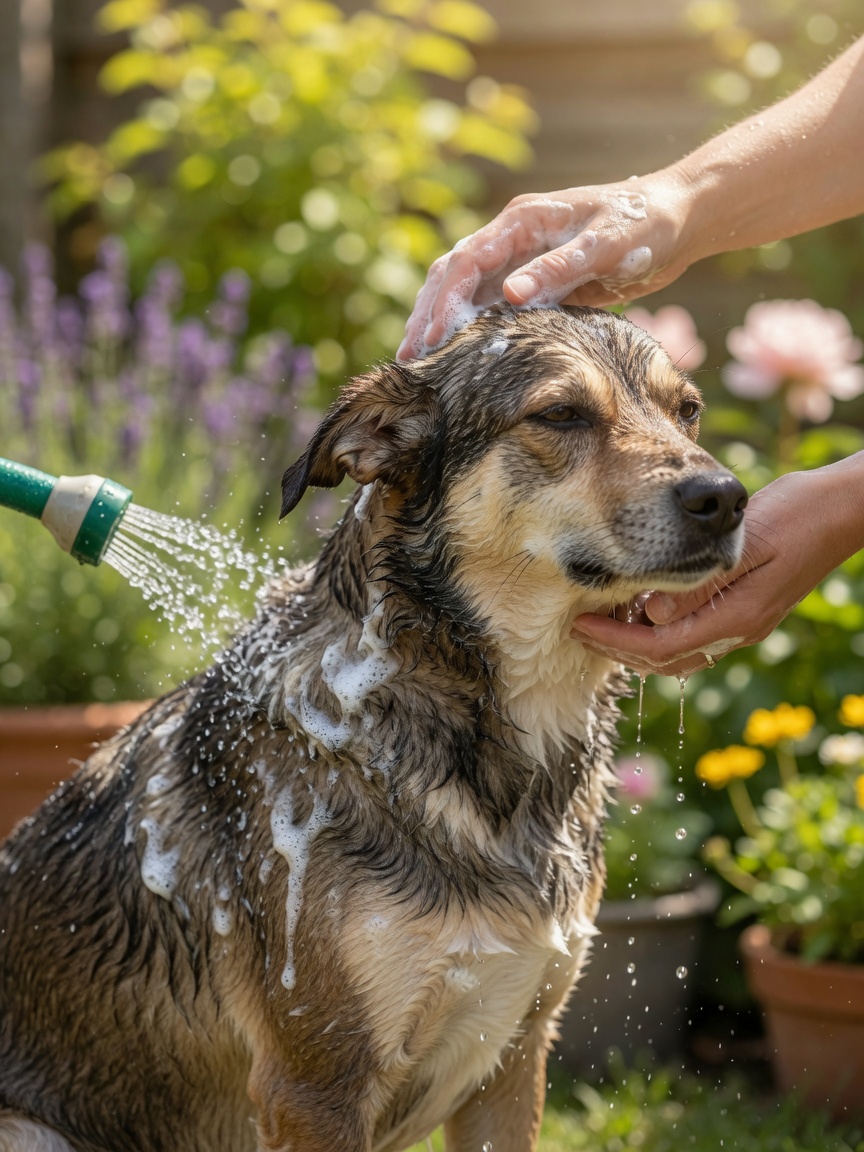
Spring allergens—including pollen, grass, and mould spores—trigger allergic reactions in many dogs, manifesting as itching, paw licking, ear infections, and skin irritation. If your dog shows these signs, consult your veterinarian promptly.
- Bathe your dog weekly using a gentle, hypoallergenic shampoo to remove allergens from the coat
- Wipe your dog's paws after outdoor walks to minimise allergen tracking indoors
- Use air filtration systems inside your home
- Consider omega-3 supplements to support skin health and reduce inflammation
- Discuss antihistamines or other allergy management options with your vet
Spring Exercise and Weight Management
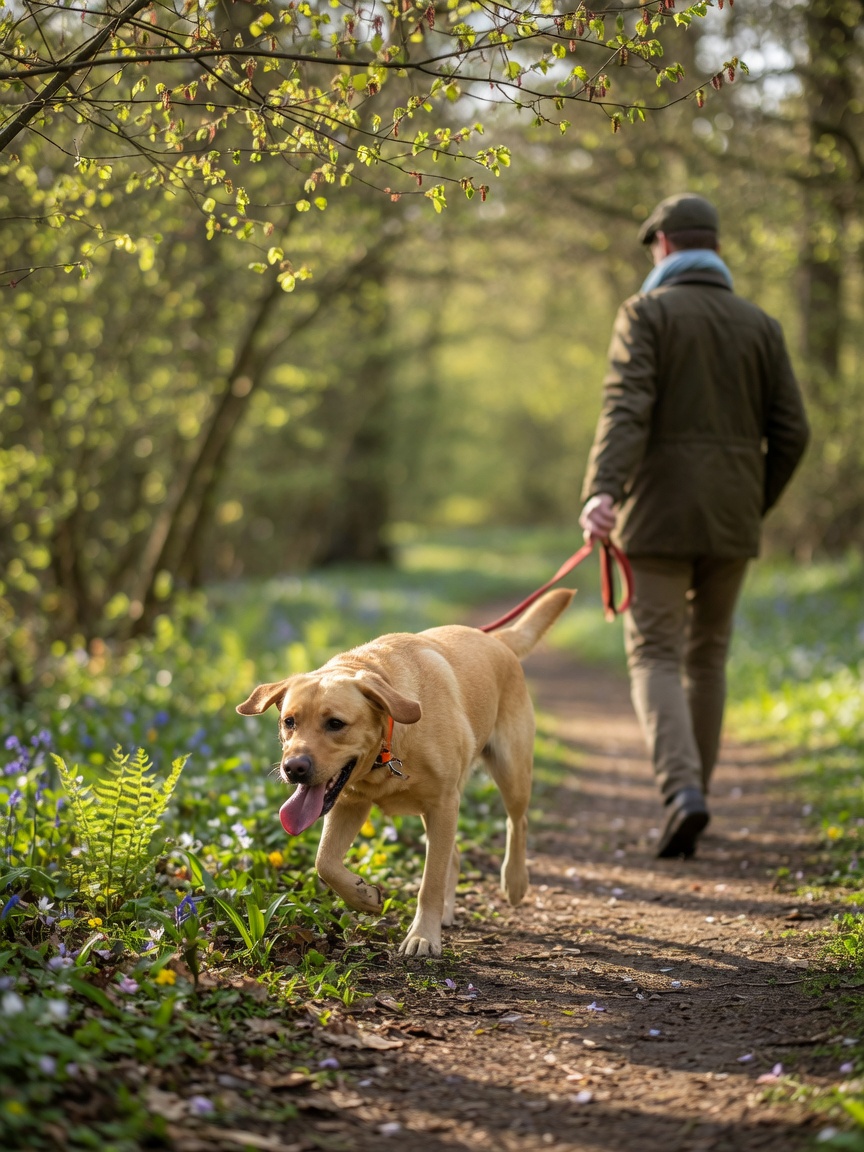
The pleasant spring weather encourages outdoor activities. This is the perfect time to gradually increase your dog's exercise routine after a potentially less active winter. However, avoid sudden increases in activity levels, which can lead to injury.
- Start with short, leisurely walks and progressively extend duration over 2-3 weeks
- Engage in age-appropriate activities—puppies and senior dogs need gentler exercise than adults
- Provide fresh water during and after exercise sessions
- Monitor your dog's body condition and adjust food portions if needed
- Watch for signs of overheating as temperatures increase
Nutrition During the Warmer Months
Spring is an excellent time to assess your dog's diet. With increased activity levels and metabolic changes, some dogs may require nutritional adjustments. Ensure your dog receives a balanced diet containing appropriate levels of protein, fats, vitamins, and minerals.
Fresh water becomes increasingly important as temperatures rise. Dogs should have constant access to clean drinking water, especially during exercise and warm days.
Key Takeaways for Spring
- Begin or renew parasite prevention immediately with veterinary-prescribed treatments
- Monitor for seasonal allergies and address symptoms early
- Gradually increase exercise levels as weather improves
- Ensure proper hydration and nutrition during warmer months
- Schedule a spring health check with your veterinarian if you notice any changes in your dog's behaviour or health
By taking these proactive steps this spring, you'll help ensure your canine partner enjoys a healthy, happy season ahead. Regular communication with your veterinarian remains your most valuable tool for maintaining optimal health throughout the year.